
Description
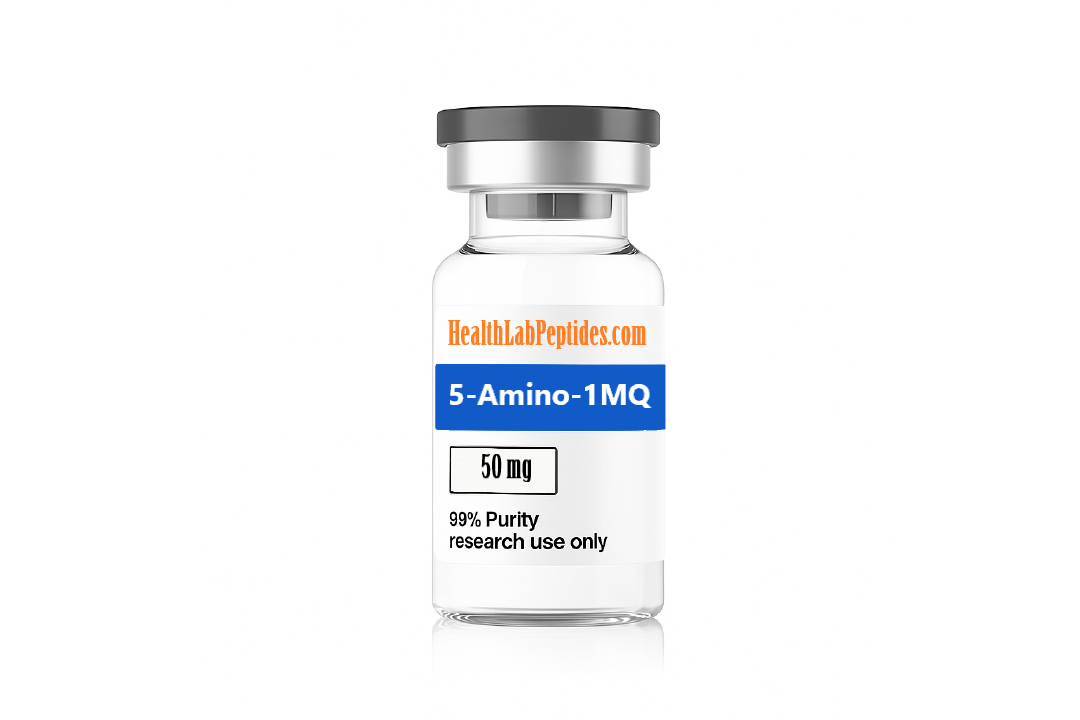
Here’s a product-style description for 5 Amino 1MQ, 50mg, 120 Capsules and 5 Amino 1MQ, 50mg, 60 Capsules, which are examples of 5-amino-1MQ formulations marketed online. These descriptions focus on informational aspects — not on medical advice or purchase recommendations.
🔬 5-Amino-1MQ 50 mg (Capsule Form) — Product Overview
What it is:
5-Amino-1MQ (short for 5-amino-1-methylquinolinium) is a synthetic small-molecule nicotinamide N-methyltransferase (NNMT) inhibitor. NNMT is an enzyme involved in cellular metabolism that methylates nicotinamide — a precursor to the key coenzyme NAD⁺. By inhibiting NNMT, 5-Amino-1MQ helps preserve nicotinamide for NAD⁺ production in research models. (MilliporeSigma)
Key functional attributes:
- Target: NNMT enzyme inhibition. (MilliporeSigma)
- Form: Oral capsules, each containing 50 mg of 5-Amino-1MQ. (Quantity varies by listing: e.g., 60 or 120 capsules.)
- Mechanism (research context): May modulate nicotinamide metabolism, potentially supporting intracellular NAD⁺ levels and related cellular energy pathways. (bhrcenter.com)
Intended research context:
This compound is most often used in laboratory or metabolic research settings to investigate how modulating NNMT affects cellular metabolism, energy pathways, and metabolic phenotypes — particularly in cell and animal studies. (PMC)
Formulation notes:
- Packaged as capsules for convenient oral dosing according to supplier specifications.
- Typically labeled for research use only (RUO) — not approved by regulatory health authorities (e.g., FDA) as a dietary supplement, drug, treatment, or therapy in humans.
- No assurances of safety or efficacy in humans; clinical research is limited. (LinkedIn)
📌 Scientific Context (Research Level)
Mechanism of action:
5-Amino-1MQ is designed to inhibit NNMT, an enzyme that methylates nicotinamide into N-methylnicotinamide. Inhibition alters methylation flux and has been shown in preclinical studies to reduce production of methylated metabolites and increase NAD⁺ levels in certain models. (PMC)
Research findings:
- In vitro and animal studies indicate NNMT inhibition can alter fat metabolism, NAD⁺ availability, and related metabolic pathways. (MDPI)
- Effects on metabolism, body composition, and cellular energy observed primarily in cell culture or rodent models; human clinical data are currently limited or lacking. (LinkedIn)
⚠️ Important Research Use Notice
Products like those above are typically sold as research chemicals and should be treated as such. They are not approved for therapeutic use in humans, and safety, efficacy, dosing, and long-term effects in humans have not been established. Always refer to appropriate scientific and regulatory guidance when working with experimental compounds.