
Research suggests: Human Growth Hormone (HGH), also known scientifically as somatotropin, is a peptide hormone produced by the pituitary gland and widely studied for its role in growth regulation, cellular signaling, and metabolic processes. In laboratory settings, HGH is examined for how it interacts with growth hormone receptors and influences downstream pathways such as IGF-1 signaling. These mechanisms are central to research exploring protein synthesis, cell proliferation, and endocrine system regulation.
From a biochemical perspective, HGH operates through a complex signaling cascade involving receptor binding and activation of intracellular pathways such as JAK-STAT. This process has made HGH a focal point in research examining how peptide hormones regulate communication between cells. Related peptides often studied in similar experimental environments include growth hormone–releasing compounds such as CJC-1295 (with DAC), CJC-1295 (without DAC), Ipamorelin, and Sermorelin, which are frequently used to study upstream signaling of endogenous hormone release.
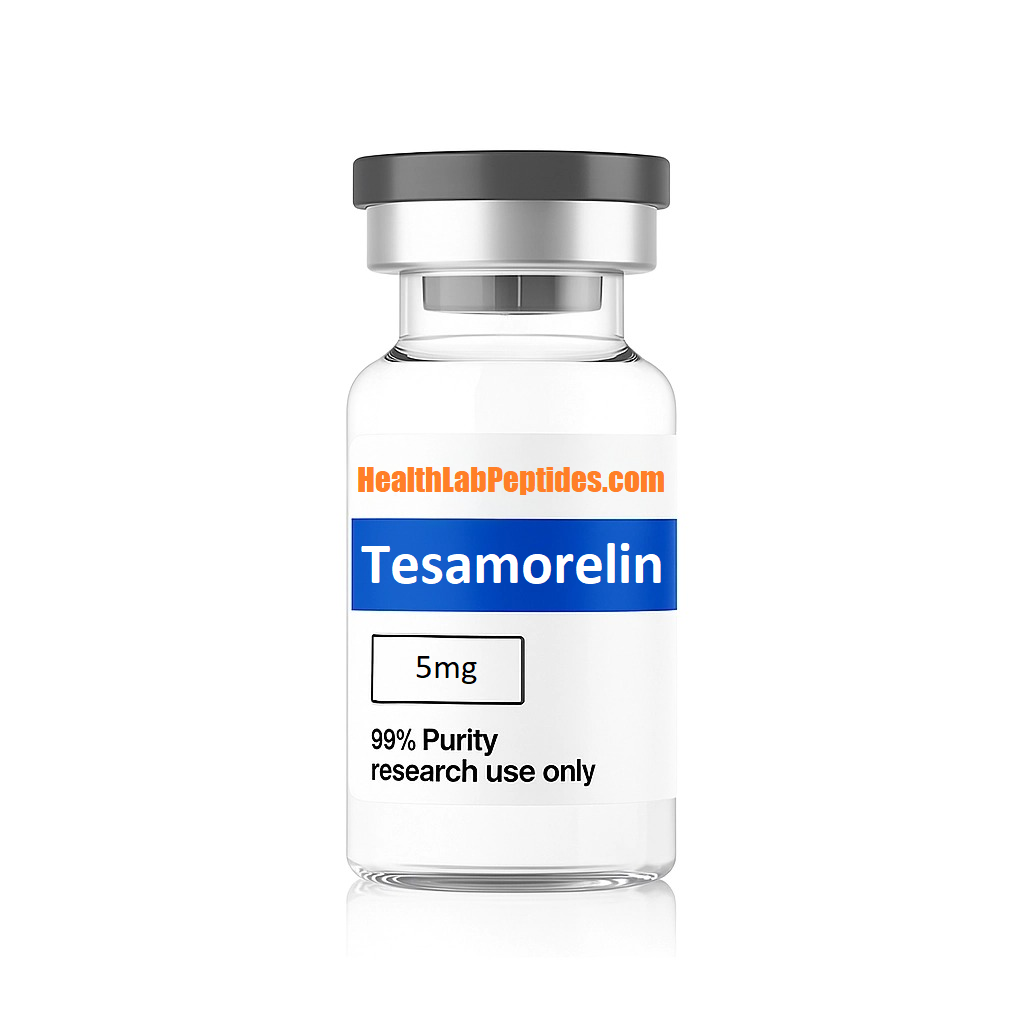
HGH research is also commonly linked to insulin-like growth factor pathways, particularly involving peptides such as IGF-1 LR3 and IGF-1 DES. These compounds are often explored in controlled environments to better understand how growth-related signaling cascades function at the cellular level. Additionally, peptides such as Tesamorelin, GHRP-2, GHRP-6, and Hexarelin are also examined for their interaction with growth hormone pathways.
In broader peptide research, HGH is often studied alongside compounds involved in tissue signaling and cellular structure, including BPC-157, TB-500, and GHK-Cu. These peptides are explored in laboratory models for their roles in cellular communication, extracellular matrix interactions, and peptide-driven signaling systems. While their mechanisms differ, they are frequently grouped together in research frameworks focused on biological regulation.
HGH remains one of the most extensively studied peptide hormones due to its central role in endocrine research and its influence on multiple biological systems. Its interaction with metabolic pathways has also led to overlapping research with peptides such as Tirzepatide, Semaglutide, and Retatrutide, which are studied for entirely different pathways but share common interest in metabolic signaling research.
In laboratory environments, HGH and related peptides are handled under strict conditions to preserve structural integrity and reproducibility. Analytical methods such as HPLC and LC-MS are commonly used to verify peptide purity prior to experimental use. Researchers sourcing compounds for study often evaluate a wide range of peptides depending on their experimental focus.
Explore a full range of research peptides here:
https://healthlabpeptides.com/shop/
Meta Description:
HGH (somatotropin) research overview. Explore growth hormone signaling, IGF-1 pathways, and high-purity research peptides for laboratory studies.
⚠️ Disclaimer
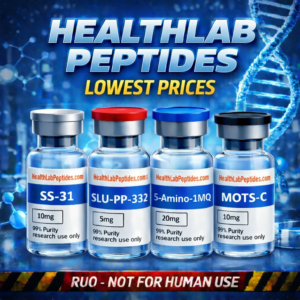
All products referenced are intended strictly for RUO (Research Use Only) from HealthLab Peptides. Not for human or veterinary use. HealthLab Peptides makes no claims regarding effects or outcomes. HLP does not sell Human Growth Hormone. Products are not evaluated by the FDA and are not intended to diagnose, treat, cure, or prevent any disease.