

Peptide Drug Discovery: A Complete Guide to the Science, History, and Future of Therapeutic Peptides
Peptide Drug Discovery: A Complete Guide to the Science, History, and Future of Therapeutic Peptides Research suggests that peptide drug…
Peptide Drug Discovery: A Complete Guide to the Science, History, and Future of Therapeutic Peptides Research suggests that peptide drug…
Research suggests peptides are investigated in skeletal-muscle laboratory models involving growth-factor signaling, satellite-cell biology, mitochondrial pathways, cellular migration and other molecular processes. For Research Use Only (RUO).
Polypeptides with a molecular mass exceeding 10,000 Da are typically categorized as proteins. Chains containing fewer than twenty amino acids…
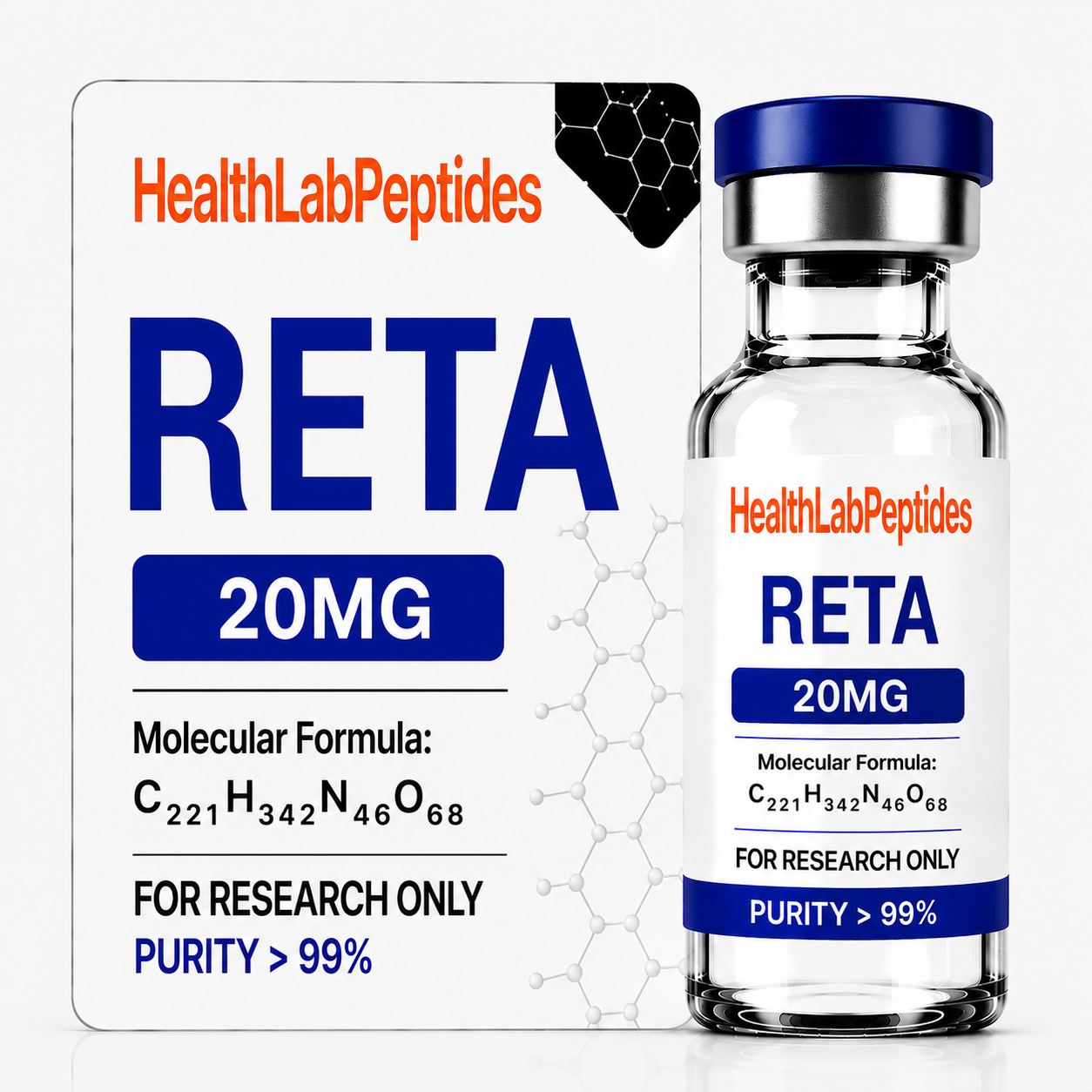
Discover the groundbreaking potential of Reta, a cutting-edge triple-agonist peptide that is revolutionizing metabolic research. By simultaneously activating key metabolic receptors, Reta offers unique insights into glucose homeostasis, appetite regulation, and energy expenditure. This innovative compound is at the forefront of studies exploring its effects on body composition and metabolic disorders. As researchers delve into its mechanisms of action, Reta promises to unlock new avenues for understanding energy balance and physiological adaptation. Join us in exploring the fascinating world of Reta and its implications for future scientific advancements in metabolic regulation.
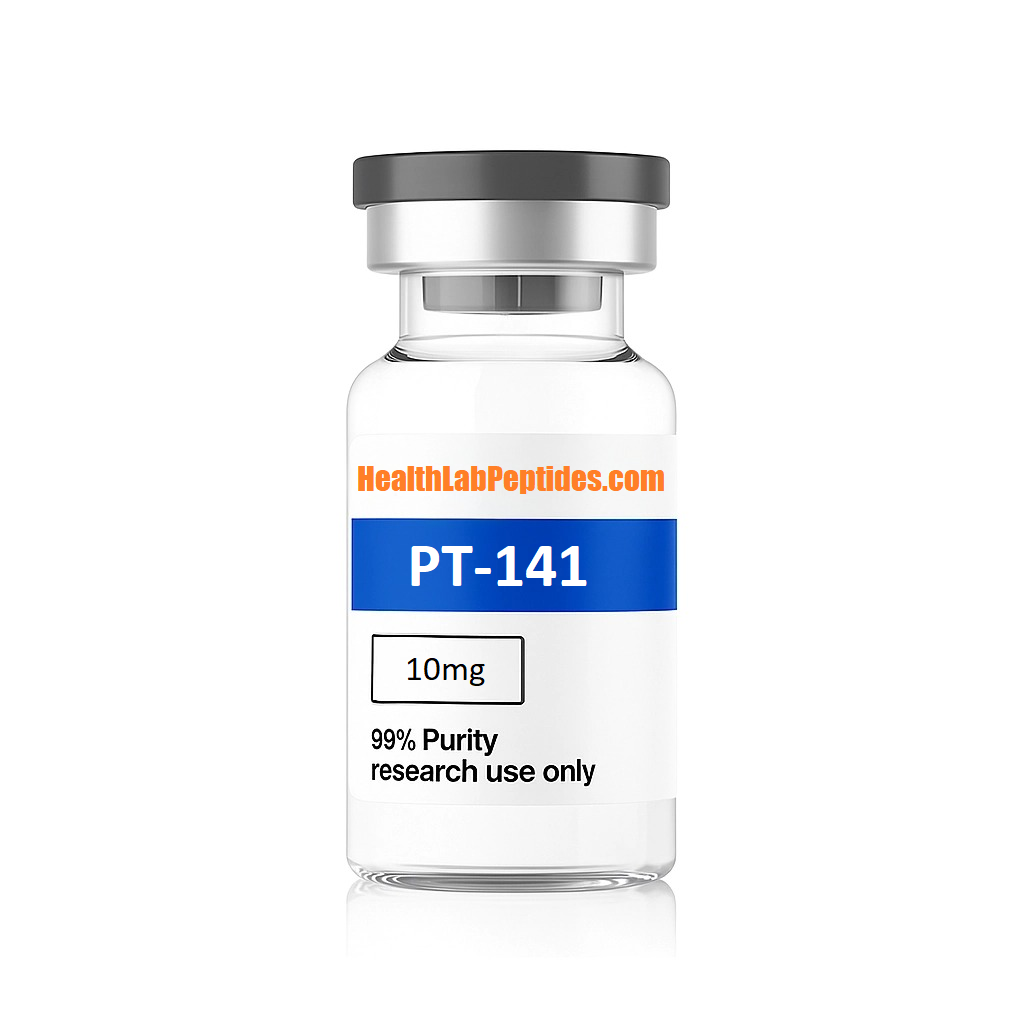
Discover the intriguing world of PT-141 peptide, a synthetic peptide that interacts with the melanocortin system, influencing sexual function and neuromodulation. This cutting-edge research tool offers unique insights into the neurobiological mechanisms underlying sexual arousal and desire. As scientists delve deeper into its specific actions on melanocortin receptors, PT-141 opens new avenues for understanding complex behaviors and physiological responses. Join us in exploring the potential of this peptide and its role in advancing our knowledge of neuroendocrine regulation. Uncover the future of peptide research and its implications for scientific discovery!
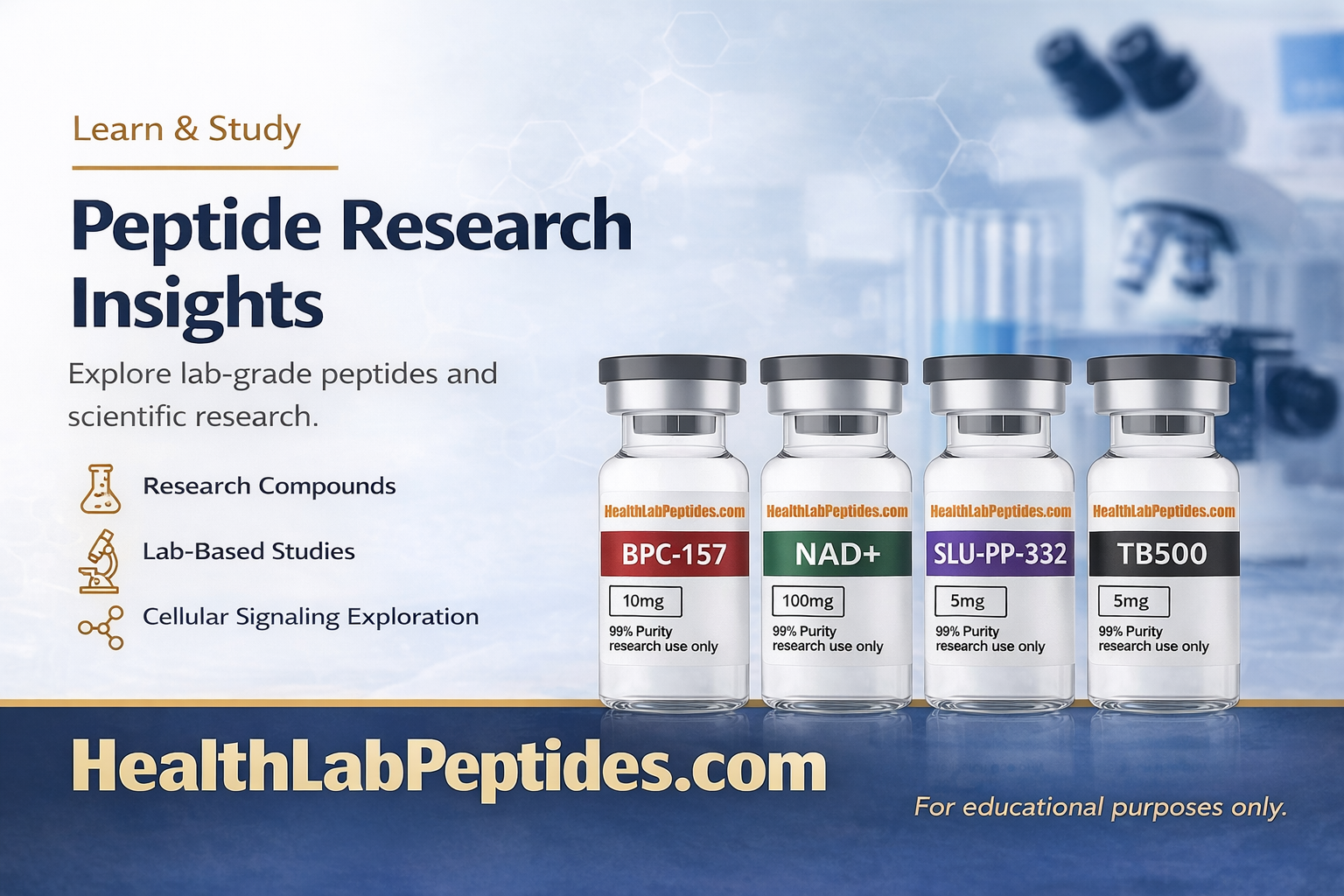
In the expansive and highly complex field of biological and peptide research, few endogenous compounds command as much scientific attention…
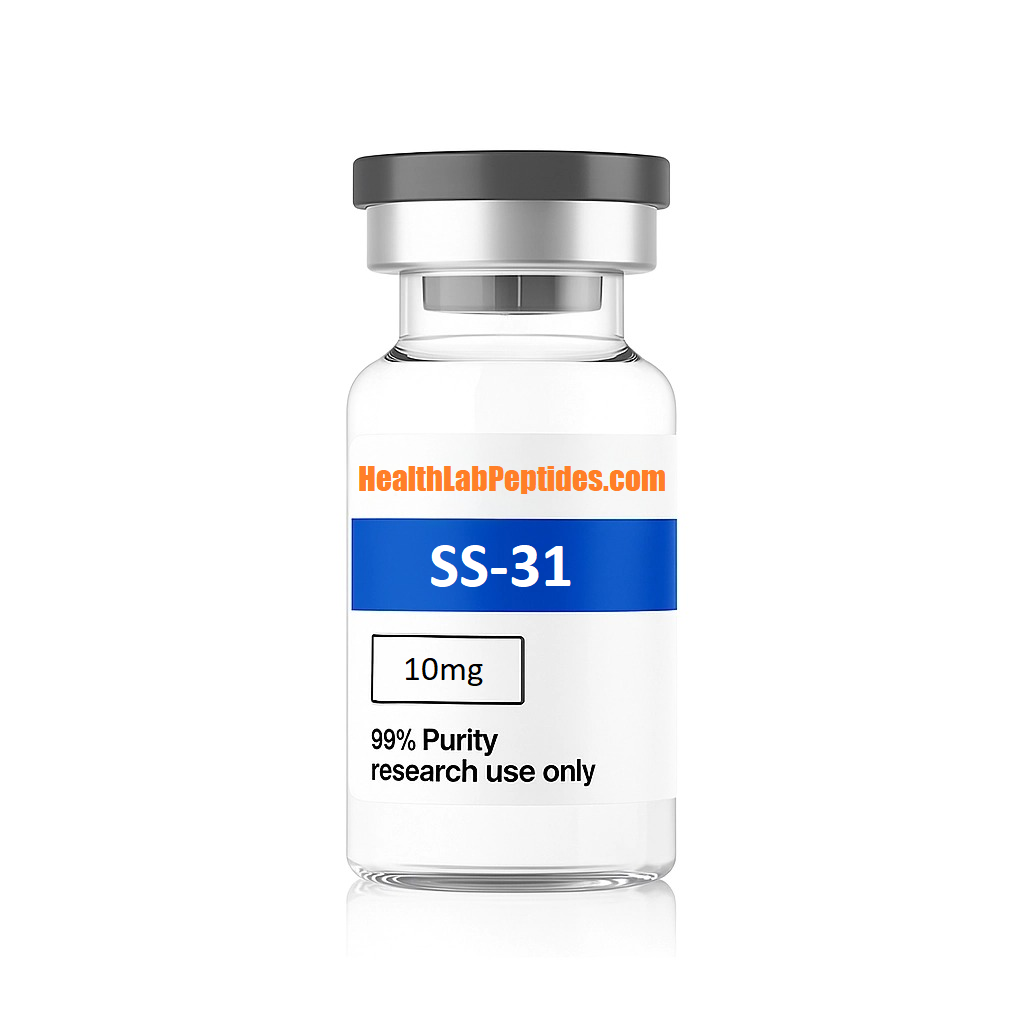
In the dynamic world of biological and peptide research, scientists are continuously exploring novel compounds to deepen our understanding of…
Research suggests: the landscape of peptide research continues to expand as compounds such as BPC-157, TB-500, CJC-1295, Ipamorelin, IGF-1 LR3, GHK-Cu, MOTS-C, SS-31, Retatrutide, Tirzepatide, and Semaglutide increasingly appear in laboratory investigations exploring cellular signaling, metabolic pathways, tissue-response mechanisms, and peptide chemistry. Ongoing scientific interest in these research compounds highlights the growing demand for high-purity materials intended strictly for laboratory and analytical research applications.

The field of peptide research is expanding fast, but finding clear, reliable information can be difficult. With so many compounds…
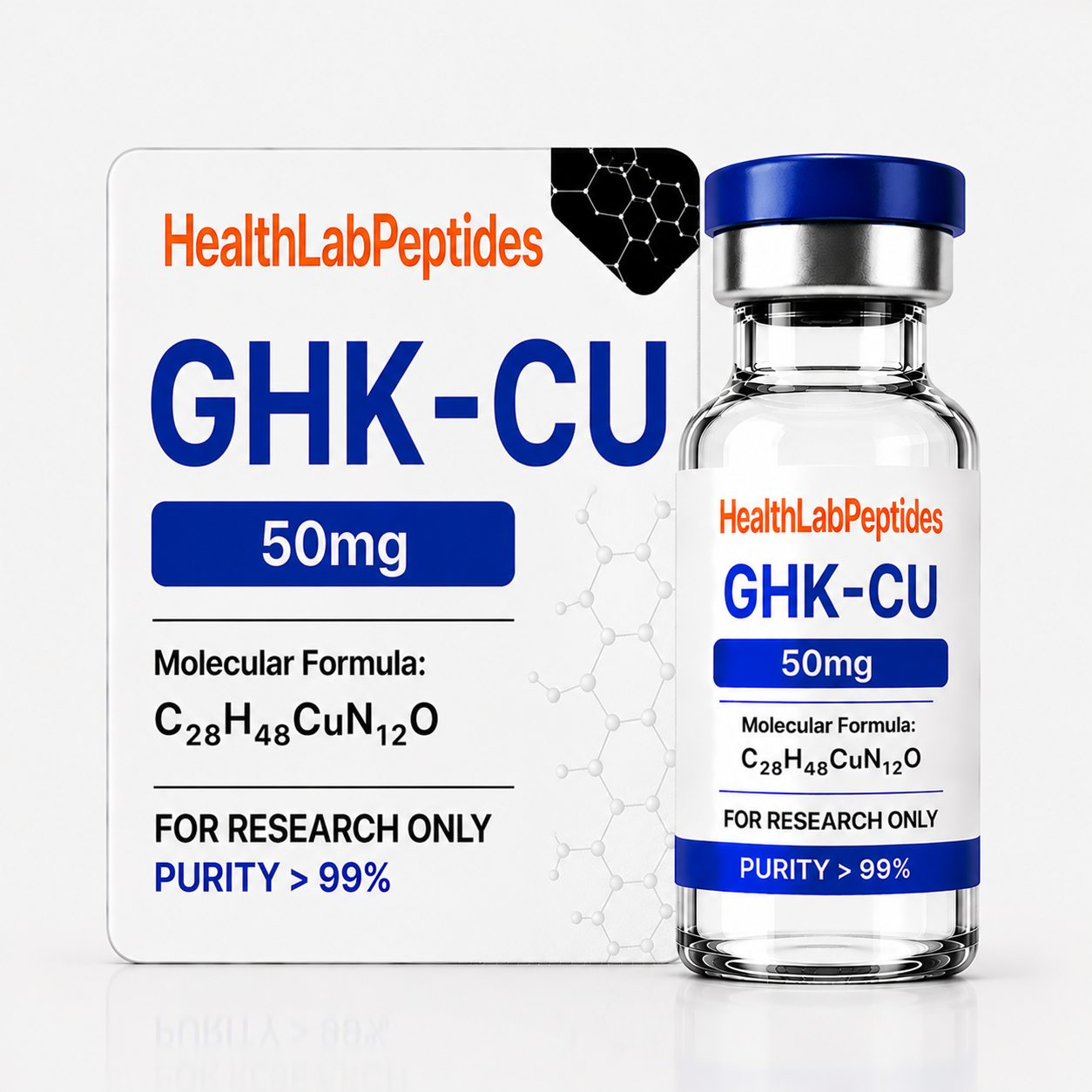
Research suggests peptides including BPC-157, TB-500, GHK-Cu and IGF-1 LR3 are investigated in laboratory models involving cellular migration, extracellular-matrix biology, signaling pathways and other experimental tissue-response processes. For Research Use Only (RUO).