

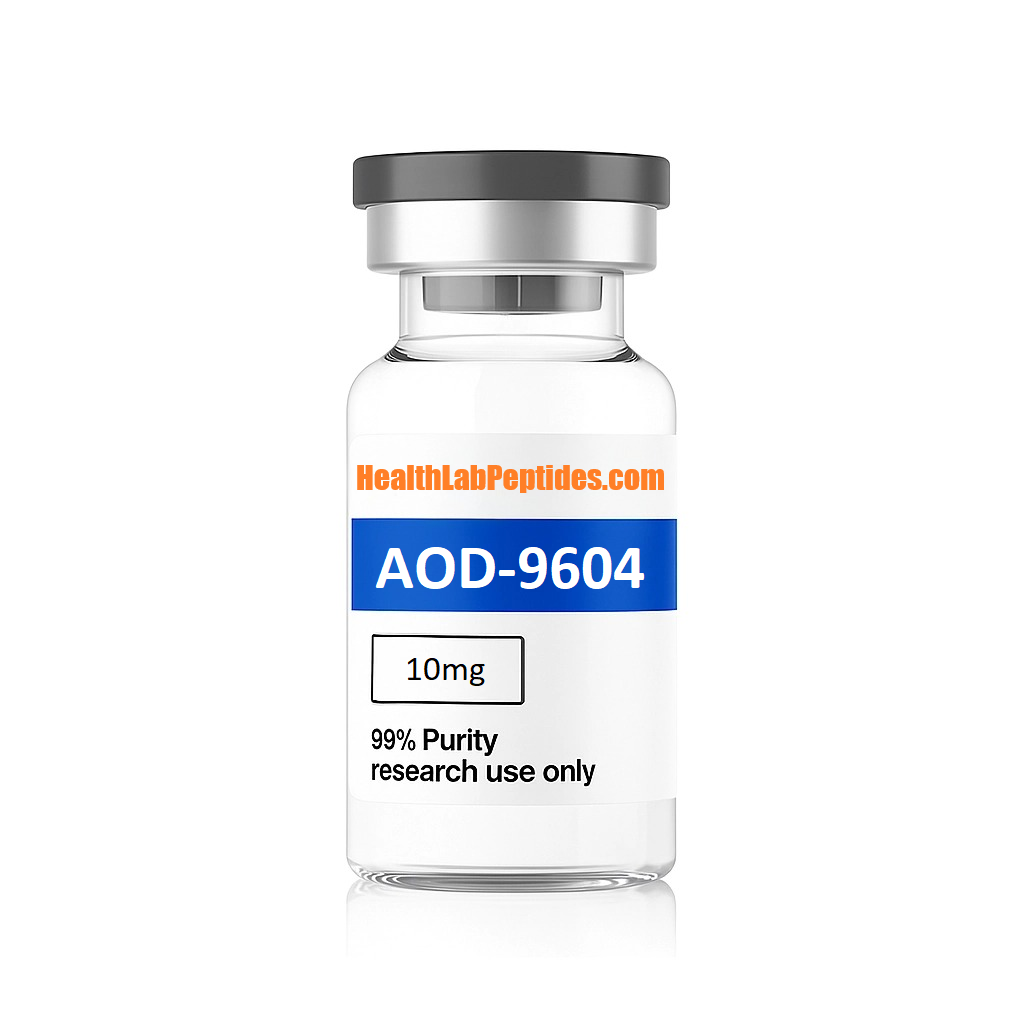
AOD-9604 Research: A Scientific Overview of the Peptide’s Mechanism and Studies
Introduction: A Scientific Overview
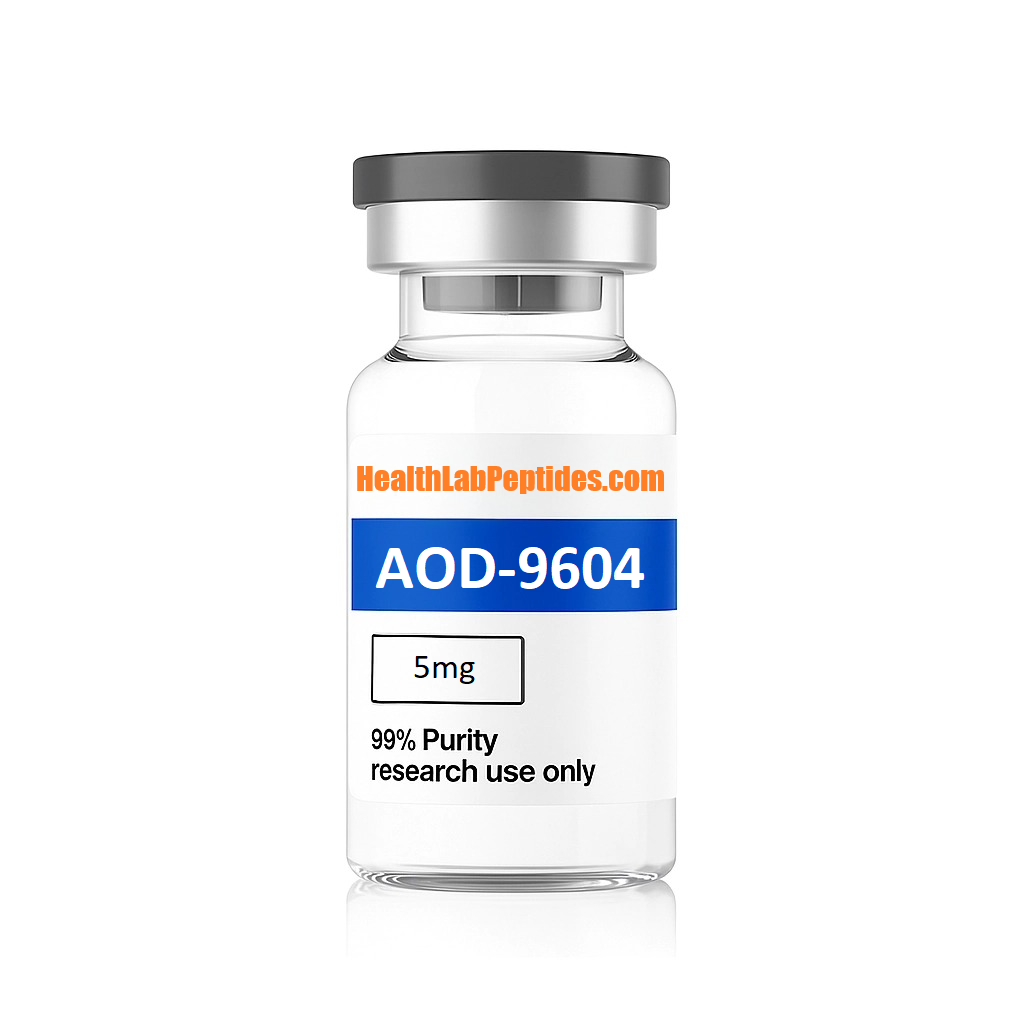
AOD-9604 research has gained scientific attention due to the peptide’s unique origin as a fragment of human growth hormone and its proposed role in metabolic pathways. As researchers continue to explore its mechanism of action and evaluate findings from pre-clinical and clinical studies, AOD-9604 remains an important topic in metabolic and peptide research. This overview examines its scientific background, current data, and ongoing research debates—strictly for educational and research purposes only.
What Is AOD-9604 Research Peptide? Understanding Its Origins
AOD-9604, short for Anti-Obesity Drug-9604, is a synthetic peptide derived from metabolic research at the University of Melbourne.
Key Scientific Points:
- Source: It is a modified version of the 176–191 fragment of human growth hormone (HGH).
- Why This Fragment? Researchers identified this region as metabolically active without triggering the typical growth-related actions associated with full-length HGH.
This distinction is central to why AOD-9604 research continues to attract interest.
Proposed Mechanism of Action: How Does AOD-9604 research Works?
Scientific discussions around AOD-9604 focus on its proposed interactions with metabolic processes.
Fat Metabolism Pathways
In vitro and animal studies have suggested two primary actions:
- Lipolysis Stimulation
Some research proposes AOD-9604 may help stimulate triglyceride breakdown in adipocytes. - Lipogenesis Inhibition
Other findings suggest it may inhibit the formation of new fat cells.
Receptor Interactions
AOD-9604 is believed to act through receptors on fat cells that simulate signals normally activated by the 176–191 HGH fragment—without triggering unrelated hormonal pathways.
A Review of Key Research Findings about AOD-9604 research
Pre-Clinical and Animal Model Research
Studies on pre-clinical models have explored:
- Body Composition Changes
Some models displayed changes in fat accumulation patterns. - Metabolic Rate Influence
Research examined potential effects on metabolic output and energy expenditure.
Human Clinical Studies
Human trials have produced mixed outcomes, which is typical in translational research.
- Early Trials
Showed some signals supportive of the proposed mechanism. - Later Trials
A well-known 12-week double-blind study did not meet its primary endpoint, though secondary analyses remained points of discussion.
These mixed results underscore that scientific conclusions remain in progress.
AOD-9604 Research Peptide in the Broader Research Context
Status: This is an investigational research peptide.
Regulatory Note: It is not FDA-approved for any medical use.
Scientific Priority: Current work focuses on metabolic pathway analysis and refinement of peptide activity.
Future Directions: Research may explore:
- deeper mechanistic analysis
- metabolic subpopulation differences
- structural optimization
Conclusion:
AOD-9604 remains a topic of active scientific interest due to its origins, proposed mechanism, and evolving research findings. While early pre-clinical data helped shape interest, clinical outcomes have been mixed—emphasizing the complexity of metabolic research. As studies continue, AOD-9604 contributes to the broader understanding of peptide-based metabolic science.
Disclaimer
HEALTHLABPEPTIDES does not make health claims, provide medical advice, or endorse peptide usage. All information is strictly for educational and research discussion. AOD-9604 research is labeled and sold for Research Use Only (RUO).