
Research suggests: Several peptides are actively studied for their roles in tissue repair, inflammation signaling, and cellular regeneration. While results vary by model, certain compounds appear frequently in healing-related research.
What Are Healing Peptides?
Healing peptides are compounds examined in laboratory settings for their interaction with:
- Cellular repair pathways
- Inflammatory signaling
- Tissue regeneration processes
- Angiogenesis (blood vessel formation)
These peptides are not approved for medical use but are widely studied in controlled environments.
Top Healing Peptides in Research
1. TB-500 (Thymosin Beta-4 Fragment)
TB-500 is one of the most researched peptides for systemic healing models.
- Studied for cell migration and tissue repair
- Associated with angiogenesis research
- Examined in muscle and connective tissue models
👉 TB-500
2. BPC-157
BPC-157 is widely studied for localized tissue repair.
- Investigated in tendon and ligament models
- Studied for gut repair signaling pathways
- Linked to nitric oxide and growth factor research
👉 BPC-157
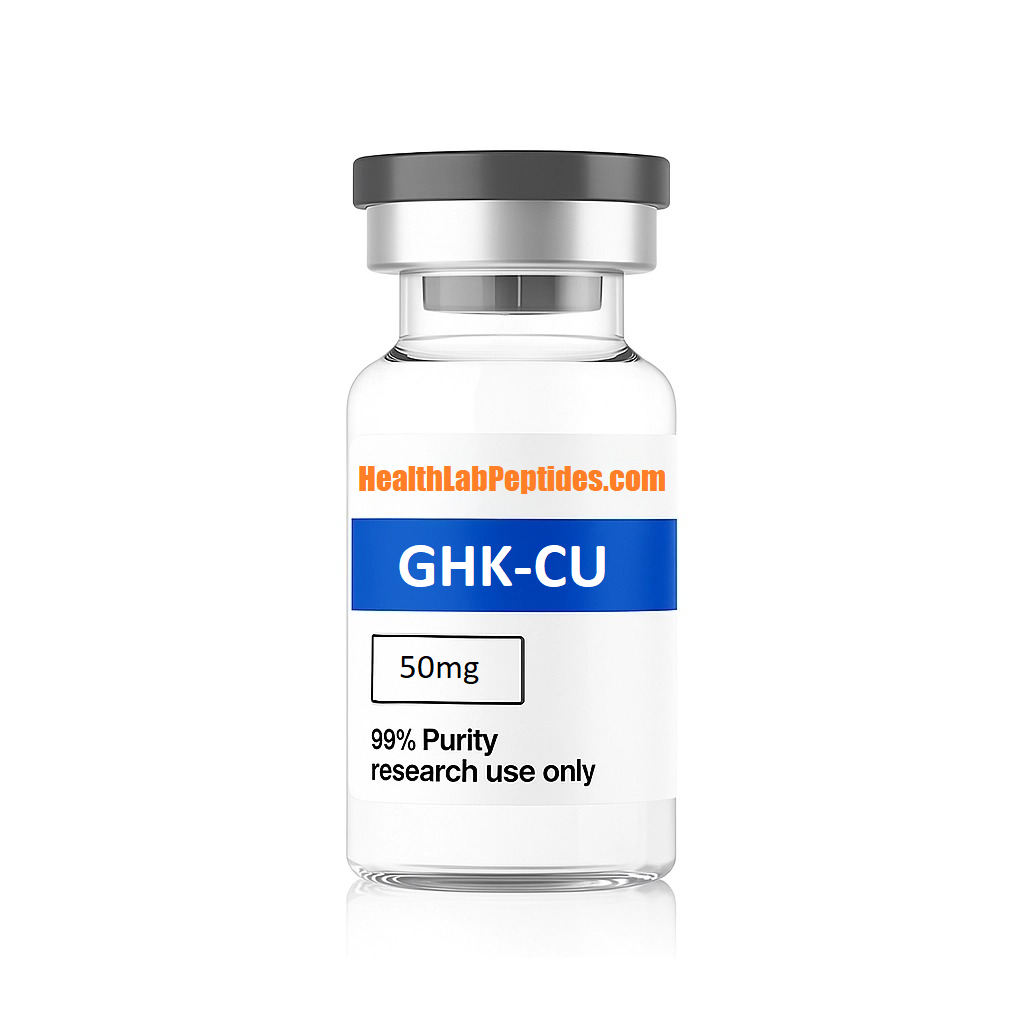
3. GHK-Cu (Copper Peptide)
GHK-Cu is often researched in skin and regeneration studies.
- Studied for collagen signaling pathways
- Examined in skin repair and aging research
- Associated with cellular regeneration models
👉 GHK-Cu
4. IGF-1 LR3
IGF-1 LR3 is studied for growth and recovery signaling.
- Linked to cell growth and repair pathways
- Studied in muscle recovery research
- Associated with anabolic signaling models
👉 IGF-1 LR3
5. DSIP (Delta Sleep-Inducing Peptide)
DSIP is studied for recovery-related signaling through sleep pathways.
- Examined in sleep and recovery models
- Studied for stress and hormonal regulation
- Linked to recovery optimization research
👉 DSIP
How These Peptides Compare
| Peptide | Research Focus | Primary Area |
|---|---|---|
| TB-500 | Systemic repair | Muscle, tissue |
| BPC-157 | Local repair | Tendon, gut |
| GHK-Cu | Regeneration | Skin, cellular |
| IGF-1 LR3 | Growth signaling | Muscle |
| DSIP | Recovery signaling | Sleep |
Choosing the Right Research Focus
Different peptides are studied for different healing pathways:
- Systemic repair: TB-500
- Localized injury models: BPC-157
- Skin and regeneration: GHK-Cu
- Growth signaling: IGF-1 LR3
- Recovery optimization: DSIP
Because of this, research often evaluates these peptides together rather than individually.
Internal Research Connections
You can explore related peptide research:
- TB-500 vs BPC-157 comparison
- Recovery peptides and signaling pathways
- Growth hormone–related peptides
- Anti-aging peptide research
👉 https://healthlabpeptides.com/shop/
FAQ (SEO Optimized)
What is the best peptide for healing?
Research suggests different peptides are studied for different healing pathways, including TB-500 for systemic repair and BPC-157 for localized tissue models.
Are healing peptides proven to work?
Most data comes from laboratory and animal studies. Human clinical evidence remains limited.
Can healing peptides be used medically?
No. These compounds are not approved for human or veterinary use.
Why are multiple peptides studied together?
Because healing involves multiple pathways such as inflammation, blood flow, and cell growth.
Meta Description
Research suggests the best healing peptides include TB-500, BPC-157, GHK-Cu, and IGF-1 LR3. Explore tissue repair and recovery research. RUO only from HealthLab Peptides.
RUO Disclaimer
All products from HealthLab Peptides are intended for Research Use Only (RUO).
Not for human or veterinary use.