
Best Research Peptides 2025: A Guide for Muscle & Composition Studies
Introduction
Peptide research feels a lot like tuning a precise instrument. Tiny changes in sequence drive big shifts in muscle, recovery, and composition outcomes. Best Research Peptides 2025: A Guide for Muscle & Composition Studies sets a clear, practical path through the most studied compounds this year.
Quality sourcing now matters as much as protocol design, as detailed in the beginner’s guide to peptide therapy for research applications. We see researchers balancing budgets, purity standards, and tight timelines to keep projects on schedule. That is why we built HealthLab Peptides around premium research-grade quality, same-day shipping on in‑stock items, and deep discounts.
In this guide, we share a framework any lab can apply: effectiveness, safety, research fit, and sourcing quality. Read on to compare leading peptides by mechanism and application, and learn how we support reproducible results with verified materials and careful handling guidance.
Key Takeaways
This guide highlights the peptide classes most relevant to muscle hypertrophy, tissue repair, and body composition research. We compare growth hormone secretagogues, direct anabolic agents, metabolic peptides, and collagen for WADA-compliant studies. Each section links mechanisms to common study endpoints and timelines. We also show how HealthLab Peptides supports reliable work with competitive pricing and strict quality controls.
Understanding Research Peptides: Scientific Foundations and Mechanisms

Peptides are short amino acid chains (typically 2–50 residues) that act as signaling molecules. They bind to cell receptors and launch targeted cascades that affect growth, repair, metabolism, and inflammation. This precision lets researchers probe specific pathways without broad hormonal substitution.
Several classes dominate muscle and composition studies, as outlined in comprehensive guides to peptide research. Growth hormone secretagogues include GHRH analogs (CJC‑1295, Tesamorelin) and ghrelin mimetics (Ipamorelin, GHRP‑2/6, Hexarelin) that raise GH and downstream IGF‑1. Regenerative peptides such as BPC‑157 and TB‑500 support angiogenesis, cell migration, and collagen remodeling, with emerging research on peptidomimetics expanding therapeutic applications. Direct anabolic agents like IGF‑1 LR3 target mTOR and satellite cells. Metabolic compounds, including HGH Fragment 176‑191 and GLP‑1 agonists, bias energy balance toward fat loss while protecting lean tissue.
Peptides are not anabolic steroids. Steroids drive androgen receptor activity and can cause wide systemic effects. Peptides instead nudge existing axes, often with better specificity and a lower risk of organ toxicity. Peer‑reviewed research supports their effects on protein synthesis, lipolysis, and tissue repair, making them a strong fit for controlled lab studies on muscle and body composition.
Critical Evaluation Criteria for Selecting Research Peptides
We use a multi‑factor screen to choose compounds that fit a study’s aims and constraints:
- Effectiveness: Clinical and preclinical data on lean mass, strength, fat loss, and time to functional recovery.
- Mechanistic Fit: Direct vs indirect action and timing relative to exercise or rest; alignment with study endpoints.
- Safety: Immunogenicity risk, hormonal spillover, and adverse events; pre‑study assessments when indicated.
- Quality & Sourcing: Third‑party testing, purity verification, sterility, and batch documentation to support reproducibility.
- Practicality: Reconstitution, stability, storage, and dosing frequency that suit the protocol and staff capacity.
- Regulatory Status: WADA listing for athlete cohorts; allowed vs prohibited agents based on current guidance.
Most performance peptides are on the WADA Prohibited List; collagen peptides are the major exception. At HealthLab Peptides, we focus on premium research-grade quality, certificates of analysis, careful cold‑chain handling, and age verification to support responsible distribution and reliable data.
“Trust, but verify.” — Ronald Reagan
Top Research Peptides for Muscle Growth Studies

Rigorous hypertrophy studies often pair a long‑acting GHRH analog with a selective ghrelin mimetic, then layer direct anabolic signaling where indicated, following established protocols for the best peptides for muscle growth. Below are the compounds we see most in study protocols.
HealthLab Peptides’ CJC-1295: Long-Acting GHRH Analog for Sustained Growth Hormone Studies
Our CJC‑1295 (DAC) is a long‑acting GHRH analog designed to keep GH maintained above baseline between natural pulses. Clinical data show dose‑dependent GH rises of 2–10x baseline and IGF‑1 increases of 1.5–3x for roughly 11 days. That sustained signal supports longitudinal studies on protein synthesis, sleep quality, and composition.
Because immunogenicity is a known consideration, we advise a documented screening plan and tight batch tracking. With competitive pricing, same‑day shipping on in‑stock vials, and a satisfaction guarantee, labs can plan multi‑month designs with confidence in supply.
Ipamorelin: Selective Growth Hormone Secretagogue for Controlled Studies
Ipamorelin targets the ghrelin receptor (GHS‑R1a) and produces a clean GH pulse without meaningful cortisol or prolactin effects. That specificity helps isolate GH‑mediated outcomes from stress hormone noise. It also avoids appetite spikes that confound calorie‑controlled studies.
We see Ipamorelin used for acute response trials, dose‑response mapping, and comparisons versus other GHRPs. It pairs well with a GHRH analog for a balanced baseline‑plus‑pulse profile.
Synergistic CJC-1295 + Ipamorelin Stack: Gold Standard for GH Research
Combining CJC‑1295 and Ipamorelin activates both GHRH and ghrelin pathways, often yielding 2–3x higher GH output than either alone. CJC‑1295 sets a steady baseline while Ipamorelin adds sharp pulses aligned to study timing. This stack suits maximum GH response work, chronic adaptation studies, and sleep‑linked recovery designs.
We offer both compounds with bundle pricing,and storage guidance to support repeatable outcomes across cohorts.
IGF-1 LR3: Direct Anabolic Signaling for Hyperplasia Research
IGF‑1 LR3 reduces IGFBP binding and extends activity to roughly 20–30 hours, directly activating mTOR and satellite cell proliferation. It is ideal for hyperplasia questions and direct anabolic pathway mapping. Because potency is high, precise dosing and authenticated sourcing are mandatory—standards we maintain across our catalog.
Premier Peptides for Tissue Repair and Recovery Research

Recovery research benefits from agents that promote angiogenesis, cell migration, and organized collagen. Pairing complementary mechanisms often shortens time to function.
BPC-157: Multifaceted Regenerative Agent for Musculoskeletal Studies
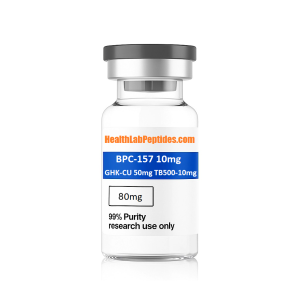
BPC‑157 is a 15‑amino acid sequence with wide regenerative activity. Studies suggest it promotes angiogenesis, upregulates growth factor signaling, and modulates nitric oxide. In preclinical models, it outperformed corticosteroids for muscle repair and sped tendon‑to‑bone healing. It also increased growth hormone receptor expression in tendon fibroblasts in a dose‑ and time‑dependent manner.
Oral bioavailability expands protocol choices, enabling GI‑route studies alongside injections. Given regulatory commentary and safety considerations around immunogenicity, we recommend pre‑treatment screening and careful monitoring. We back BPC‑157 with a satisfaction guarantee and fast US shipping to keep protocol timing tight.
TB-500 (Thymosin Beta-4): Actin Upregulation for Advanced Repair Research
TB‑500 isolates the regenerative region of TB‑4 and drives actin upregulation, angiogenesis, and growth factor activation, including VEGF. Rat models show improved collagen organization and biomechanical strength after ligament injury. Clinical work has linked TB‑4 exposure to better exercise capacity in cardiac contexts.
It fits soft‑tissue repair, cellular migration, and anti‑inflammatory mechanism studies. In combination designs, it complements BPC‑157’s growth factor and collagen effects.
BPC-157 + TB-500 Stack: Optimized Recovery Protocol Research
This duo targets several repair levers at once. BPC‑157 supports collagen synthesis and inflammation control, while TB‑500 accelerates actin‑driven cell movement and new vessel growth. Reports from athletic settings note shorter downtime and lower soreness. In lab terms, that means faster return‑to‑load and clearer adaptation signals.
Leading Peptides for Body Recomposition and Metabolic Studies

When fat loss and lean mass preservation are primary endpoints, metabolic agents shine, with trending anti-aging peptides showing promise in body composition research. Study designs often integrate diet control, resistance training, and repeat imaging. Common endpoints include:
- DEXA or MRI for body composition
- Resting metabolic rate (RMR) and indirect calorimetry
- Appetite logs and standardized satiety scales
Tesamorelin: FDA-Approved GHRH Analog for Visceral Fat Research
Tesamorelin is FDA‑approved for HIV‑associated lipodystrophy and shows consistent visceral fat reductions near 18% in clinical trials. It binds GHRH receptors with high specificity, driving natural GH pulses and downstream lipolysis. Studies also show gains in skeletal muscle area and density.
No immunogenicity signal has been reported, and most side effects are mild and transient. Effects may reverse after discontinuation, so protocol timelines should reflect that. We supply Tesamorelin to qualified institutions with documented research use.
HGH Fragment 176-191: Selective Lipolysis Without Growth Effects
HGH Fragment 176‑191 isolates the fat‑focused portion of the molecule. It stimulates β3‑adrenergic receptors in adipose tissue, increasing lipolysis and limiting lipogenesis. Trials report 2–3x greater fat loss than placebo, with a focus on abdominal and visceral stores.
Because it avoids insulin sensitivity changes and growth effects, it suits cutting protocols and composition studies where muscle gain is not the target variable.
GLP-1 Agonists: Incretin-Based Metabolic Research Compounds
GLP‑1 agonists such as semaglutide slow gastric emptying, raise satiety, and help regulate glucose. These effects reduce energy intake and support meaningful weight loss. In athletic research, they aid appetite control and weight‑class management while lab teams track body composition shifts.
Collagen Peptides: WADA-Compliant Research Option for Competitive Athletics
Collagen peptides are hydrolyzed into small fragments with high oral bioavailability, with specific di‑ and tri‑peptides detected systemically after ingestion. They provide glycine, proline, and hydroxyproline that support connective tissue and may aid muscle remodeling during resistance training. A randomized trial in older men found that 15 g daily plus training improved strength, raised fat‑free mass, and lowered fat mass versus placebo.
Collagen is not prohibited by WADA, making it the only peptide here suitable for drug‑tested athlete studies. It is over‑the‑counter, low‑cost, and easy to dose, which helps with adherence and large‑cohort designs. We offer bulk research quantities for longitudinal sports science projects.
Additional Notable Peptides in Muscle and Composition Research
Sermorelin is a bioidentical GHRH fragment (29 aa) that preserves physiologic GH pulses and sleep linkage, with mechanisms similar to DSIP in promoting restorative sleep cycles. It tends to be milder than synthetic analogs but has a strong safety profile, making it useful for studies on age‑related GH decline and gentle body composition shifts.
MK‑677 (Ibutamoren) is an orally active GHS‑R1a agonist that raises GH and IGF‑1 without affecting cortisol. A six‑month study in older men reported strength gains, supporting sarcopenia research and long‑term oral protocols. Watch for appetite increases and mild water retention in energy‑balance designs.
GHRP‑2, GHRP‑6, and Hexarelin vary in appetite and potency. GHRP‑6 pushes hunger and suits bulking models; GHRP‑2 is better in cutting designs. Hexarelin is the most potent but desensitizes faster, so shorter cycles and careful monitoring are key.
Research Protocols: Administration, Dosing, and Cycling Considerations
Most peptides are delivered subcutaneously to bypass GI breakdown; intramuscular routes appear in select protocols. Collagen peptides and BPC‑157 offer oral paths; non‑peptidic MK‑677 is oral as well. Maintain strict sterile technique for all injections to protect study integrity.
Reconstitution and handling basics:
- Use bacteriostatic water; inject along the vial wall and let the solvent settle.
- Gently swirl—do not shake.
- Store reconstituted vials refrigerated, shielded from light; document stability windows in the protocol.
Dosing and timing are peptide‑specific. Many GHS compounds are given in the evening to align with natural GH peaks. MGF is time‑locked to post‑exercise windows, while lipolytic peptides are often studied in a fasted state. To reduce receptor downregulation, common schedules are five days on and two off, with cycles of three months on and one off.
“The dose makes the poison.” — Paracelsus
Ensuring Research Integrity: Quality Standards and Laboratory Protocols
Reliable results depend on purity, potency, sterility, and chain‑of‑custody. Pharmaceutical‑grade peptides undergo rigorous testing and batch documentation, while substandard materials can carry contaminants or incorrect dosing.
At HealthLab Peptides, we provide premium research‑grade peptides with third‑party testing and certificates of analysis. We ship same day on in‑stock items, use careful storage and packing, and apply age verification for responsible distribution. In the lab, follow sterile reconstitution, prevent contamination, log storage conditions, and track batches to tie outcomes to verified lots. Our satisfaction guarantee reflects our confidence in product quality.
Key quality practices to document:
- Verified identity and purity for each lot (COA on file)
- Sterile technique during reconstitution and dosing
- Temperature and light exposure logs for cold‑chain items
- Batch‑to‑subject mapping for reproducibility and auditability
“What gets measured gets managed.” — Peter Drucker
Conclusion
Peptide research for muscle and composition is broader and more precise than ever. Growth hormone secretagogues like CJC‑1295 and Ipamorelin support hypertrophy work, BPC‑157 and TB‑500 speed repair, Tesamorelin and HGH Fragment drive fat‑focused designs, and collagen enables WADA‑compliant studies. The right peptide is only half the story—quality sourcing and careful handling complete the picture.
We built HealthLab Peptides to serve that need with premium research‑grade quality, deep discounts up to 80%, same‑day shipping, free US shipping over $100, and a satisfaction guarantee. If your 2025 protocols focus on muscle, recovery, or body composition, explore our catalog and lean on our team for method‑friendly, research‑only materials and support.
FAQs
What are the best research peptides for muscle growth studies in 2025?
The leading choice is the CJC‑1295 + Ipamorelin stack for dual‑pathway GH release. Tesamorelin offers strong safety and body comp data, while IGF‑1 LR3 targets direct anabolic signaling. The best pick depends on endpoints, timeline, and dosing method.
How do research-grade peptides from HealthLab differ from compounds labeled “not for human consumption”?
We provide third‑party testing, verified purity and identity, sterility standards, and documented batch control. Our research‑only catalog supports reproducible results and careful documentation.
Research suggests that peptides are suitable for body composition research protocols?
Tesamorelin for visceral fat, HGH Fragment 176‑191 for selective lipolysis, and the CJC‑1295/Ipamorelin stack for GH‑mediated recomposition are common picks. GLP‑1 agonists fit appetite and metabolic studies. We stock these for qualified research teams.
Are there WADA-compliant peptides for sports science research with competitive athletes?
Collagen peptides are permitted and useful for joint health and strength‑with‑training designs. GHS, IGF‑1‑related agents, and regenerative peptides are prohibited. Always verify status against the latest WADA list in athlete studies.
What are proper storage and reconstitution protocols for research peptides?
Store lyophilized vials cool and dark. Reconstitute with bacteriostatic water using sterile technique, inject along the vial wall, and gently swirl. After reconstitution, refrigerate at 2–8°C and protect from light. Our team can share step‑by‑step lab guides.
HEALTHLABPEPTIDES does make any health claims whatsoever. We are only posting articles that have been written online about research of peptides. We do NOT endorse any of the articles for legal reasons. We are not researchers and are not qualified to comment on any benefits of peptides or any kind.
Welcome to www.healthlabpeptides.com (“Website”). By accessing, browsing, or using this Website, you (“User”) acknowledge and agree to be bound by these Terms and Conditions (“Agreement”), including our Privacy Policy, which is incorporated by reference.
If you do not agree to these Terms, you must not access, use, purchase from, or otherwise engage with the Website.
By using the Website, User represents and warrants that:
- User is of legal age and has the legal capacity to enter into this Agreement;
- User understands this Agreement is legally binding;
- User acknowledges that these Terms may be updated, amended, or modified at any time without prior notice. It is the User’s responsibility to review the Terms periodically.
2. Intellectual Property & Restrictions
- All content on this Website—including but not limited to logos, trademarks, text, images, photographs, videos, designs, product information, and data—is the property of healthlabpeptides.com and is protected by intellectual property laws.
- Users may not copy, reproduce, distribute, modify, license, transmit, display, sell, or otherwise exploit any part of this Website without express written consent.
- Unauthorized use of this Website or its contents may constitute a violation of intellectual property, contract, or other applicable laws and may result in civil or criminal penalties.
3. Use of Products
- All products sold by healthlabpeptides.com are strictly intended for laboratory research purposes only.
- Products are not intended for human or animal consumption, medical treatment, diagnosis, prevention, or cure of any condition.
- Products are not to be used as supplements, drugs, medical devices, cosmetics, food, or additives under any circumstance.
- Only qualified, licensed professionals are permitted to handle, store, and utilize these materials in controlled research environments.
- Any misuse, alteration, or unauthorized application of products is strictly prohibited and may violate federal law, including the Federal Food, Drug, and Cosmetic Act.
4. Warranties and Disclaimers
- No Warranty: All products and information are provided “as is” without any warranty, guarantee, or representation, whether express or implied.
- Not FDA Approved: Products offered have not been evaluated or approved by the FDA and are not intended for therapeutic, diagnostic, or medical use.
- Research Only: Any reference to potential applications is for educational purposes and does not constitute medical advice or endorsement.
- Changes:healthlabpeptides.com reserves the right to update product descriptions, availability, pricing, and Website content at any time, without notice.
5. Purchases and Sales
- Pricing: Prices are subject to change without notice.
- Final Sale: All sales are final; no returns, refunds, or exchanges are permitted.
- Refusal of Service:healthlabpeptides.com reserves the right to refuse service, cancel orders, or restrict access at its sole discretion.
- Age Restriction: Purchasers must be 21 years of age or older.
6. Customer Responsibilities
By purchasing from www.healthlabpeptides.com, User represents and warrants that they:
- Understand the products are not for human or animal use;
- Check your local city and state regulations before purchasing. We are not responsiblefor any purchases not allowed in your state. No refunds will be given.
- Have performed their own due diligence regarding hazards, risks, and legal restrictions applicable in their jurisdiction;
- Will handle all products in compliance with applicable local, state, federal, or international regulations;
- Will not alter, misbrand, or distribute any products in violation of law.
7. Liability, Indemnification & Hold Harmless
- User assumes all responsibility for the use, handling, and storage of any product purchased.
- User agrees to indemnify, defend, and hold harmless healthlabpeptides.com, its officers, employees, partners, and affiliates from any claims, damages, losses, liabilities, or expenses (including attorney’s fees) arising from misuse, negligence, breach of Agreement, or violation of applicable laws.
- healthlabpeptides.com shall not be liable for direct, indirect, incidental, or consequential damages resulting from use, misuse, or inability to use any product or the Website.
8. Website Availability & Limitations
- While healthlabpeptides.com strives to maintain continuous access, the Website may be unavailable at times due to maintenance, updates, technical issues, or force majeure events (including natural disasters, supply chain disruptions, shipping delays, or government actions).
- healthlabpeptides.com shall not be held liable for delays, lost shipments, or interruptions beyond its reasonable control.