

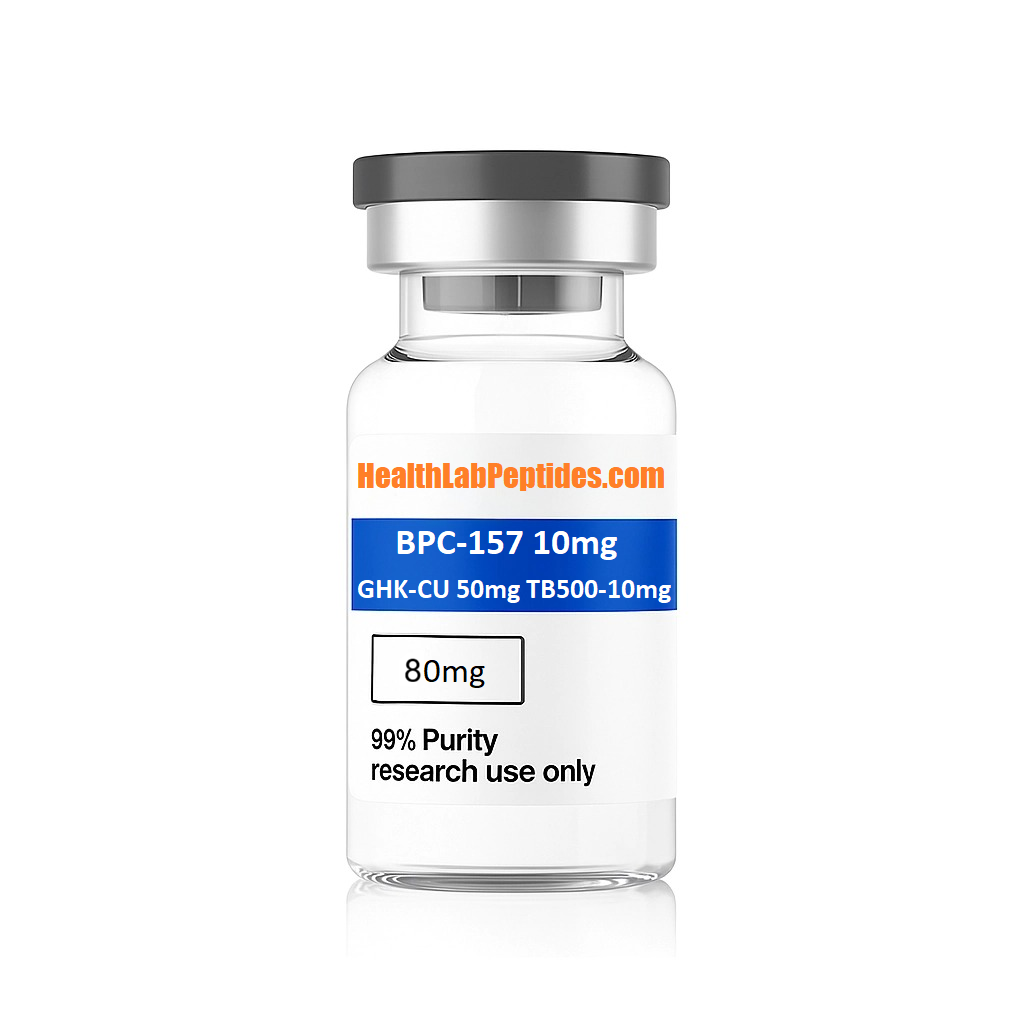
Introduction to KLOW80 in Peptide Research
KLOW80 is a synthetic research peptide currently being evaluated in laboratory settings for its structural and biochemical properties. As peptide science continues to expand, compounds like KLOW80 are investigated for their receptor interactions, metabolic signaling potential, and influence on intracellular pathways.
Researchers often analyze new peptides alongside established research compounds such as tesamorelin, CJC-1295, GHRP-6, IGF-DES, Cagrilintide, DSIP, GHK-Cu, and glutathione to better understand comparative signaling mechanisms and molecular activity profiles.
KLOW80 remains an experimental compound and is intended strictly for laboratory research environments.https://repeatpeptides.com/product/cjc-1295-without-dac/
Understanding Peptide Signaling in Research Models
Peptides function as biological messengers. They bind to receptors and trigger intracellular cascades that influence cellular behavior. In research environments, peptides are commonly studied for their roles in:
- Growth hormone signaling pathways
- Metabolic regulation models
- Tissue remodeling frameworks
- Cellular stress response
- Mitochondrial function
- Inflammatory signaling pathways
KLOW80 is currently being evaluated within similar scientific frameworks.
Comparative Context: KLOW80 and Established Research Peptides
To better understand the relevance of KLOW80, it helps to examine how researchers study other well-known peptides.
Tesamorelin and CJC-1295
Tesamorelin and CJC-1295 are synthetic analogs studied for their interaction with growth hormone-releasing hormone (GHRH) receptors. In laboratory settings, these compounds are evaluated for:
- Pituitary receptor binding
- Growth hormone pulsatility models
- Downstream IGF signaling cascades
KLOW80 research may involve comparative receptor-binding studies to evaluate structural similarities or differences in signaling activation.
GHRP-6 and IGF-DES
GHRP-6 is a growth hormone-releasing peptide studied for its interaction with ghrelin receptors.
IGF-DES (IGF-1 DES 1-3) is often examined for localized receptor activity and tissue-specific signaling behavior.
Researchers may analyze KLOW80 to determine whether it influences similar intracellular pathways, receptor affinity profiles, or signaling intensities in controlled laboratory models.
Cagrilintide and Metabolic Research
Cagrilintide is studied in metabolic regulation models involving appetite signaling and amylin receptor pathways. Peptides in this category are typically evaluated for:
- Energy utilization signaling
- Hormonal modulation models
- Glucose pathway interaction
KLOW80 research may explore whether it engages metabolic signaling systems in comparable experimental environments.
DSIP and Neurological Pathway Studies
DSIP (Delta Sleep-Inducing Peptide) has historically been studied in neurological signaling models and circadian rhythm frameworks. Laboratory research focuses on neuropeptide receptor interaction and regulatory mechanisms.
KLOW80 investigations may include exploratory studies of central signaling pathways to evaluate structural and functional relationships.
GHK-Cu and Cellular Remodeling Research
GHK-Cu (Copper Peptide) is widely studied in laboratory settings for its involvement in tissue signaling and cellular repair pathways. Research commonly focuses on:
- Gene expression modulation
- Collagen synthesis models
- Cellular regeneration pathways
Comparative analysis between KLOW80 and peptides like GHK-Cu may help researchers identify potential structural or signaling similarities.
Glutathione and Oxidative Stress Models
Glutathione is extensively studied for its role in antioxidant defense and cellular redox balance. Laboratory experiments often evaluate oxidative stress markers and mitochondrial function.
When analyzing KLOW80, researchers may examine whether it influences intracellular signaling pathways connected to oxidative stress regulation.
Structural and Molecular Investigation of KLOW80
In laboratory research, novel peptides undergo several types of evaluation:
- Receptor Binding Assays – Determines affinity and specificity
- Signal Transduction Mapping – Evaluates intracellular cascade activation
- Stability Studies – Measures peptide degradation rate
- Dose-Response Curves – Observes activity under controlled conditions
- In Vitro Cellular Modeling – Examines biological response patterns
KLOW80 continues to undergo characterization in these experimental categories.
Why Researchers Continue Exploring Novel Peptides
The field of peptide research evolves rapidly. Each new compound adds data to a growing body of knowledge about:
- Hormonal communication systems
- Cellular repair mechanisms
- Metabolic signaling networks
- Neuroendocrine interactions
- Intracellular pathway modulation
By comparing KLOW80 with compounds such as tesamorelin, CJC-1295, GHRP-6, IGF-DES, Cagrilintide, DSIP, GHK-Cu, and glutathione, researchers can build broader understanding of structure-activity relationships.
Continued research determines whether KLOW80 demonstrates unique receptor selectivity, altered signaling intensity, or distinct metabolic pathway engagement.
Laboratory Standards and Quality Control
In peptide research, purity and consistency are essential. Laboratories typically prioritize:
- High-performance liquid chromatography (HPLC) verification
- Mass spectrometry confirmation
- Controlled lyophilization processes
- Proper cold-chain storage
- Clear batch traceability
Maintaining rigorous laboratory standards ensures reliable experimental results.
Future Directions in KLOW80 Research
As peptide-based research expands, novel compounds like KLOW80 remain under early-stage investigation. Future laboratory studies may focus on:
- Expanded receptor-binding profiling
- Cross-pathway interaction mapping
- Cellular signaling intensity comparison
- Long-term stability testing
- Combination pathway analysis with other peptides
Scientific exploration continues to define the molecular characteristics and potential research applications of KLOW80.
RUO Notice – HealthLab Peptides
KLOW80 and all related products from HealthLab Peptides are strictly RUO (Research Use Only). Not for human or veterinary use. Not intended for diagnosis, treatment, cure, or prevention of any disease. Products are sold exclusively for laboratory research purposes.