

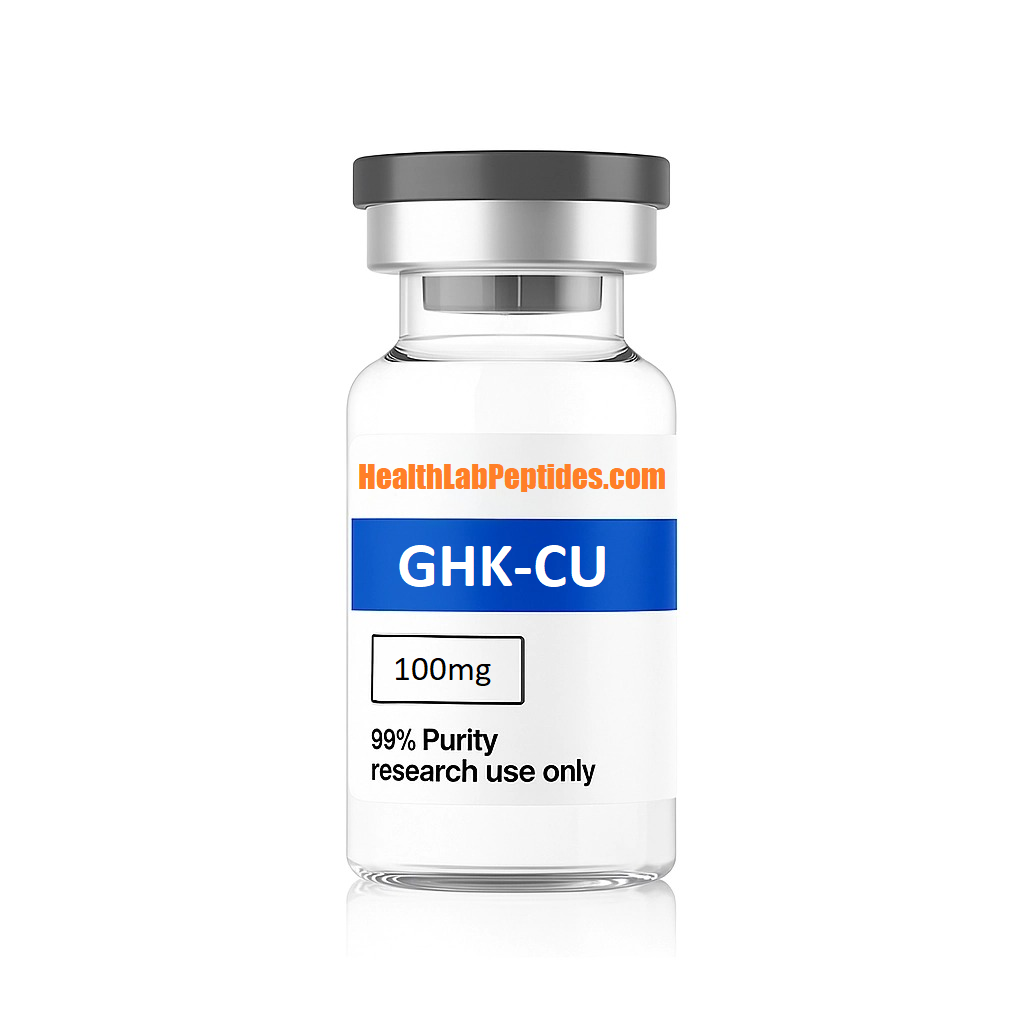



What Is GHK-Cu?
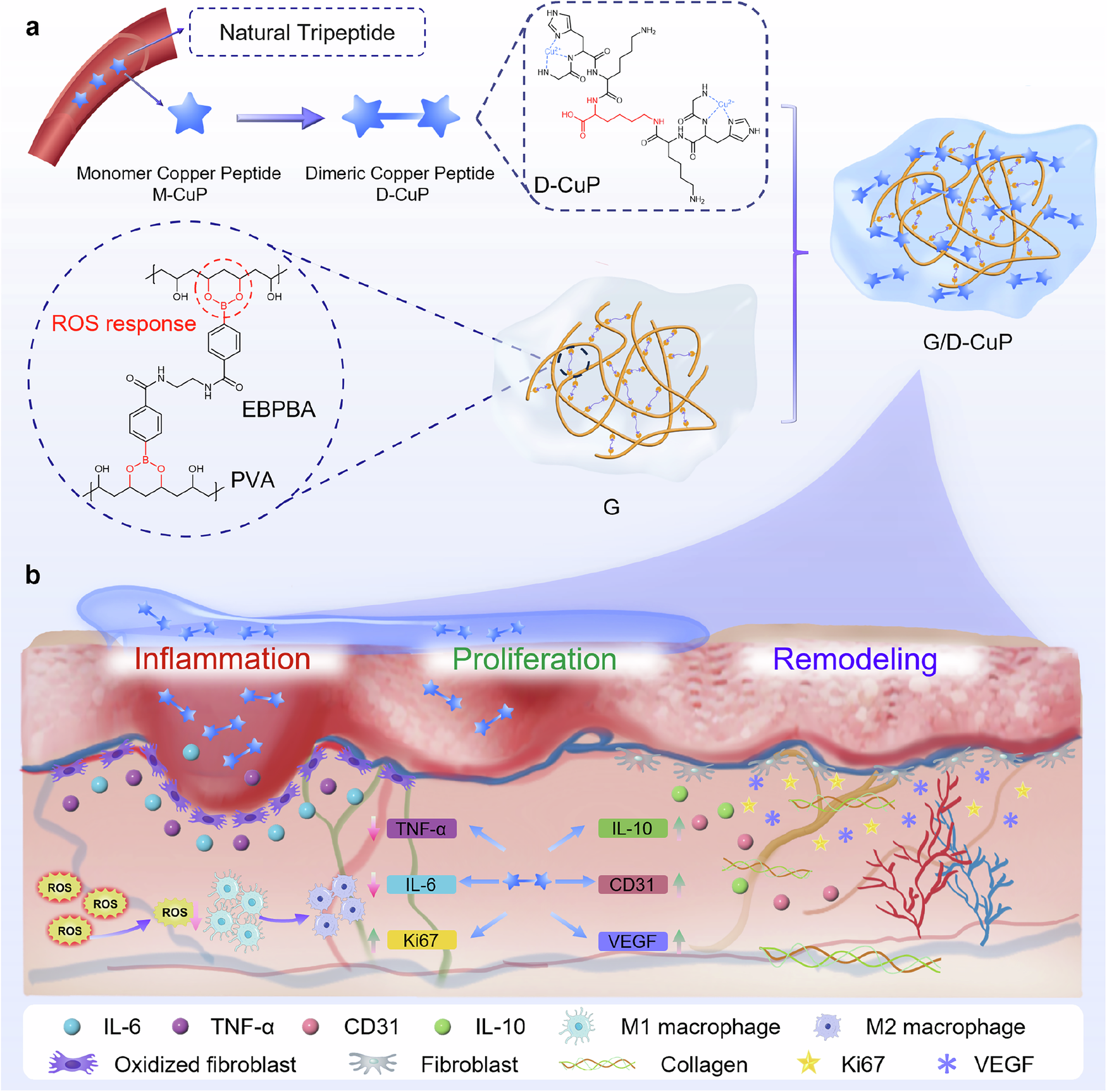
GHK-Cu (glycyl-L-histidyl-L-lysine copper) is a naturally occurring copper-binding tripeptide first identified in human plasma. Over time, researchers discovered that this small peptide plays a role in cellular signaling, tissue remodeling, and antioxidant activity.
Because of its ability to bind copper ions and influence gene expression pathways, GHK-Cu benefits have become a major focus in dermatology and regenerative research.
GHK-Cu Benefits in Skin and Collagen Research
One of the most studied GHK-Cu benefits involves its role in collagen-related pathways. Research suggests that GHK-Cu may influence:
- Collagen synthesis signaling
- Elastin production models
- Extracellular matrix remodeling
- Fibroblast activity
Collagen and elastin are structural proteins that contribute to skin integrity and elasticity. As a result, GHK-Cu is frequently evaluated in laboratory studies examining skin structure and visible aging models.
Antioxidant and Anti-Inflammatory Research
GHK-Cu has also been studied for its antioxidant properties. In experimental models, it appears to:
- Reduce oxidative stress markers
- Support redox balance
- Influence inflammatory signaling pathways
Oxidative stress plays a central role in cellular aging research. Therefore, the antioxidant mechanisms associated with GHK-Cu remain an important area of scientific exploration.
Wound Healing and Tissue Remodeling Studies
Another key area of interest involves tissue repair research. Laboratory investigations have evaluated how GHK-Cu interacts with:
- Growth factor signaling
- Angiogenesis pathways
- Tissue regeneration models
Some in vitro and animal studies suggest that GHK-Cu may influence processes involved in wound repair and cellular turnover. However, outcomes vary depending on model design and delivery method.
Hair and Follicle Research
GHK-Cu has also been examined in hair-related research models. Scientists study how copper peptides may influence follicular signaling and dermal environment pathways associated with hair growth cycles.
This area continues to develop as researchers explore gene expression changes linked to copper peptide activity.
Gene Expression and Cellular Signaling
One of the most compelling GHK-Cu benefits discussed in literature is its ability to influence gene expression patterns. Some research indicates that it may:
- Activate regenerative gene pathways
- Downregulate inflammatory gene expression
- Support tissue remodeling processes
These findings make GHK-Cu an intriguing subject in longevity and regenerative biology research.
Why Researchers Study Copper Peptides
Copper plays an essential role in enzymatic reactions and structural protein formation. When bound to GHK, copper may be delivered in a biologically active and stable form, which could explain its widespread research applications.
Because of this, GHK-Cu remains one of the most studied cosmetic and regenerative peptides in laboratory settings.
FAQ: GHK-Cu Benefits
What is GHK-Cu most researched for?
GHK-Cu is most commonly studied for collagen signaling, skin remodeling, antioxidant activity, and tissue regeneration pathways.
Does GHK-Cu support collagen production?
Research models suggest it may influence collagen-related gene expression and extracellular matrix remodeling processes.
Is GHK-Cu studied for hair research?
Yes. Some laboratory studies examine its interaction with follicular signaling and dermal support pathways.
Why is copper important in GHK-Cu?
Copper is essential for enzymatic reactions and structural protein function, and GHK helps stabilize and deliver copper ions in research models.
Final Thoughts on GHK-Cu Benefits
GHK-Cu benefits continue to attract scientific interest due to the peptide’s involvement in collagen signaling, antioxidant defense, tissue remodeling, and gene expression pathways. While research findings are promising, outcomes depend on study design, concentration, and biological context.
As regenerative biology and dermatology research evolve, GHK-Cu remains a central compound in peptide-based investigations.
⚠️ Research Use Only (RUO) Disclaimer
This content is provided strictly for informational and laboratory research purposes. Any GHK-Cu products referenced are intended for research use only.
Not for human or veterinary use. Not for diagnostic, therapeutic, or cosmetic application.
Products are not intended to diagnose, treat, cure, or prevent any disease.
 GLP-1 Sema 20mg