

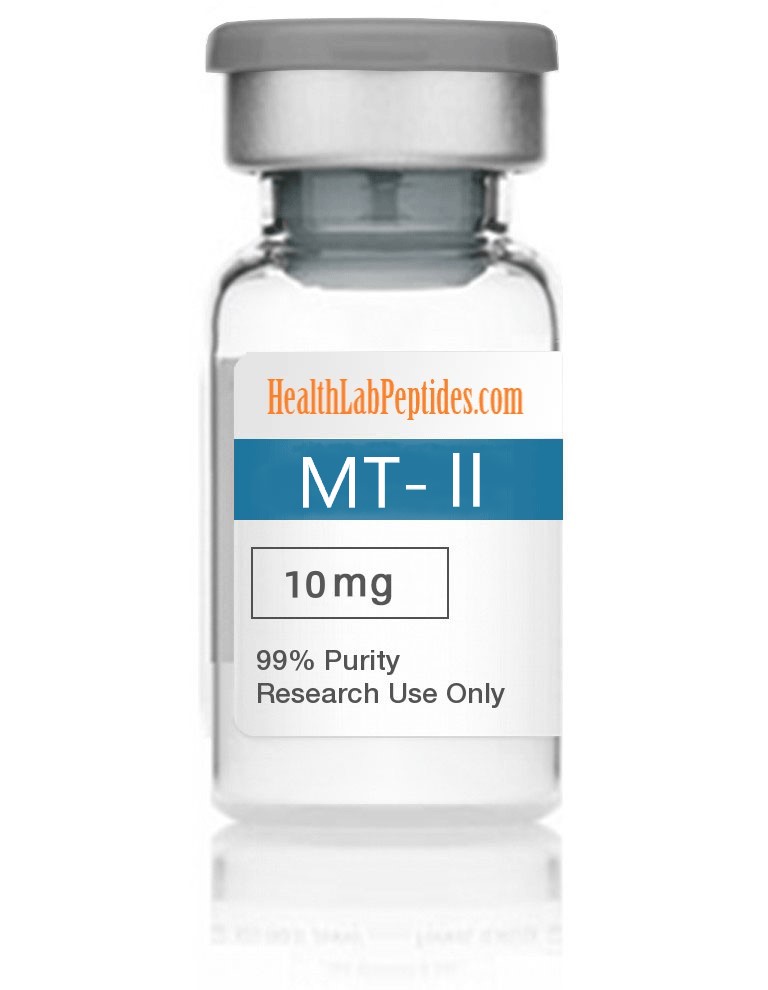
Explore the world of MT-11 (Mots-c) peptide research. This article delves into the scientific studies, mechanisms of action, and potential research applications of this mitochondrial-derived peptide, presented for educational and research purposes only.
Unlocking Cellular Communication: A Research Overview of MT-11 Peptide
Keywords: MT-11 Peptide, Mots-c Research, Mitochondrial Derived Peptides, Cellular Communication, Peptide Studies, Research Chemicals, Metabolic Research, Scientific Analysis.
Introduction: Beyond the Genome
In the evolving landscape of biochemical research, mitochondrial-derived peptides (MDPs) have emerged as a fascinating area of study. Among them, MT-11, more commonly known in scientific literature as Mots-c (Mitochondrial Open Reading Frame of the 12S rRNA-c), has garnered significant attention from the research community.
This blog post aims to provide a comprehensive, science-focused overview of MT-11 peptide research. It is crucial to state from the outset that this information is intended for educational and research purposes only. This article will not make any health or wellness claims about MT-11 and is not intended to diagnose, treat, cure, or prevent any disease.
What is MT-11 (Mots-c)? A Shift in Scientific Understanding
Traditionally, mitochondria were known primarily as the powerhouses of the cell, responsible for generating energy (ATP). However, recent research has revealed a more complex role: they are also active signaling organelles.
MT-11 (Mots-c) is a short peptide encoded within the mitochondrial DNA. Its discovery challenged the long-held belief that mitochondrial DNA only coded for core respiratory chain components. Instead, Mots-c is a hormone-like peptide that can translocate to the nucleus, influencing gene expression and cellular metabolism.
The Mechanism of Action: A Research Perspective
Scientific studies, primarily conducted in vitro and in animal models, have investigated how MT-11 functions at a cellular level. The research suggests a fascinating mechanism:
Cellular Localization: Following its synthesis in the mitochondria, Mots-c peptide has been observed to translocate to the nucleus in response to metabolic stress, such as glucose restriction.
Gene Expression Regulation: In the nucleus, research indicates that Mots-c can interact with the antioxidant response pathway, specifically involving the transcription factor Nrf2. This interaction is believed to influence the cell’s adaptive response to stress.
Metabolic Pathway Interaction: Early-stage studies have explored Mots-c’s potential role in modulating the folate-methionine cycle and the AMPK pathway, both of which are central to metabolic regulation and cellular energy sensing.
It is critical to interpret these findings within their research context. These observed mechanisms form the basis for ongoing scientific inquiry and are not evidence of direct effects in humans.
Key Areas of Scientific Inquiry for MT-11
The intriguing mechanism of MT-11 has led researchers to explore its potential in various preclinical models. The following areas represent the focus of published scientific literature:
1. Metabolic Research: A significant portion of Mots-c studies has focused on its role in metabolic regulation. Research in model organisms has investigated how the peptide may influence glucose uptake and metabolic homeostasis under specific dietary conditions.
2. Exercise Physiology and Muscle Function: Some research has analyzed the potential link between Mots-c expression and physical activity. Studies have looked at how exercise may influence the expression of this mitochondrial peptide and its subsequent effects on cellular communication in muscle tissue.
3. Cellular Stress Response: Due to its interaction with the Nrf2 pathway, Mots-c is a subject of interest in research concerning the cellular response to oxidative and metabolic stress.
4. Aging Research: As a regulator of metabolic function, Mots-c has been included in broader scientific discussions about the molecular biology of aging, though this remains a highly speculative and early-stage area of investigation.
Distinguishing Research from Speculation
When reviewing information about peptides like MT-11, it is paramount to distinguish between established research findings and unsupported speculation.
Research Findings: These are data-driven observations from peer-reviewed studies, such as “Mots-c was observed to promote glucose uptake in muscle cells in a specific in vitro model.”
Unsupported Claims: These are statements that extrapolate research findings into human health benefits without clinical evidence, such as “Mots-c is a miracle cure for diabetes” or “This peptide will make you lose weight.”
Our commitment is to present only the former, providing a foundation for further scientific discussion and understanding.
Conclusion: The Future of MT-11 Research
MT-11 (Mots-c) represents a compelling new chapter in our understanding of mitochondrial biology and cellular communication. The research to date paints a picture of a sophisticated signaling molecule with a potential role in metabolic regulation and stress response.
However, the journey from preclinical research to any potential future application is long and complex. The current body of evidence is promising but preliminary, consisting largely of animal and cell-based studies. Significant further research, including rigorous clinical trials, is required to fully understand the implications of this peptide.
For scientists and research enthusiasts, MT-11 remains a powerful tool for probing the intricate communication networks within the cell, opening new doors for fundamental biological discovery.
Disclaimer
This article is intended for informational and educational purposes only. The content presented is a summary of publicly available scientific research and should not be interpreted as medical advice. The compounds mentioned are research chemicals and are not approved by the FDA for human consumption, diagnosis, or the treatment of any disease. Nothing in this article constitutes a health claim. Always consult with a qualified healthcare professional for any health concerns or before starting any new treatment.
 GHRP-6 5mg