

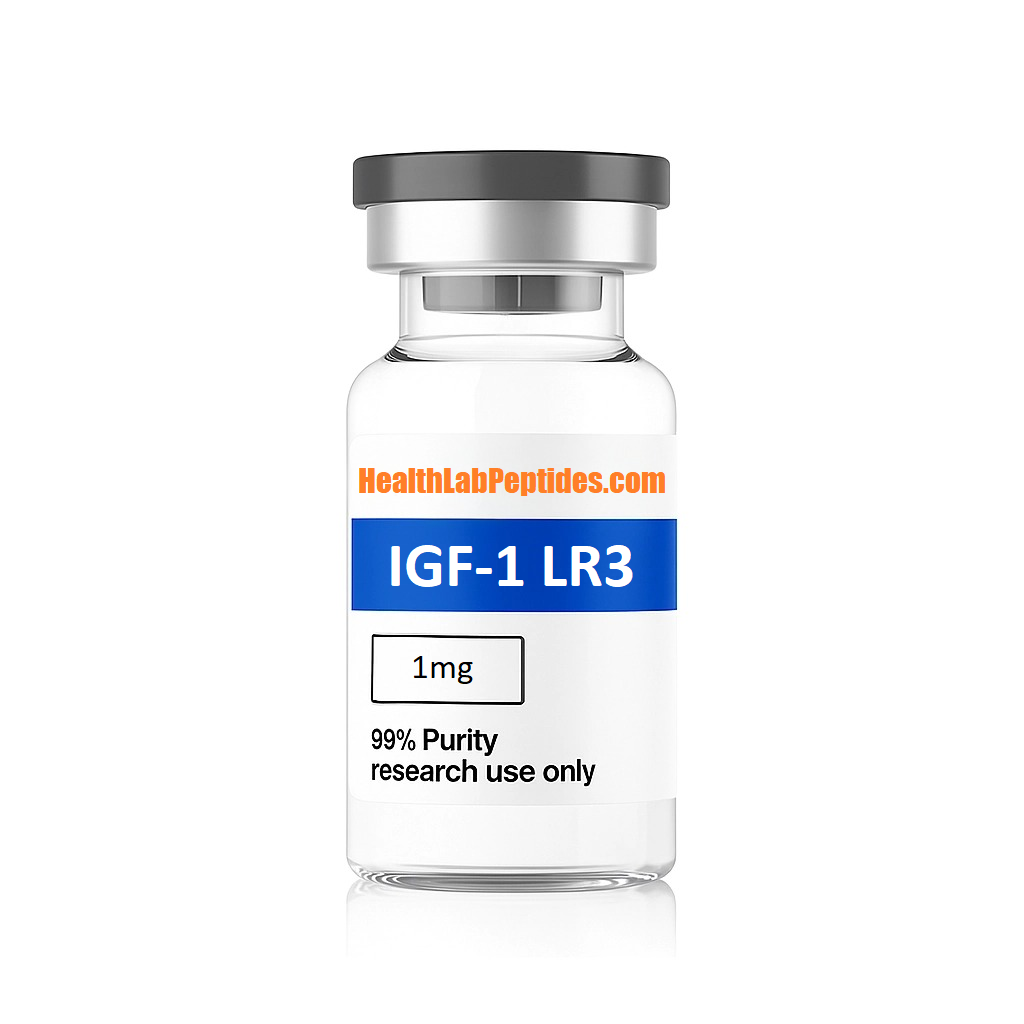
IGF-1 LR3 Benefits: A Research-Backed Guide for Bodybuilding
Research suggests: IGF-1 LR3 is widely studied in laboratory environments for its role in cellular signaling pathways related to muscle physiology, protein synthesis, and metabolic activity. Because it is a modified version of insulin-like growth factor-1, researchers examine IGF-1 LR3 to better understand how growth factor signaling may influence muscle-related pathways in bodybuilding research.
As interest in performance and physique research grows, IGF-1 LR3 is frequently discussed alongside other peptides involved in growth hormone signaling, recovery, and metabolic regulation.
What Is IGF-1 LR3?
IGF-1 LR3 is a synthetic analog of insulin-like growth factor-1. It has been modified to extend its activity in research models, making it useful for studying prolonged signaling effects.
In laboratory settings, IGF-1 LR3 is examined for its interaction with:
- Muscle cell signaling pathways
- Protein synthesis mechanisms
- Growth factor receptor activity
- Nutrient partitioning pathways
Because of this, it is commonly included in bodybuilding-related research.
IGF-1 LR3 and Muscle Protein Signaling
Muscle growth research often focuses on protein synthesis signaling pathways. IGF-1 LR3 is studied because it interacts with receptors that influence these processes.
In many laboratory models, IGF-1 LR3 is explored for its potential role in:
- Activation of anabolic signaling pathways
- Cellular growth communication
- Muscle fiber signaling mechanisms
- Nutrient uptake signaling
These pathways are important in research examining how muscle tissue responds to resistance training.
Growth Hormone Pathway Research
IGF-1 LR3 is often studied alongside peptides that influence growth hormone signaling.
For example, research frequently includes compounds such as Sermorelin 5mg, which is examined for its role in stimulating natural growth hormone release.
Other peptides such as GHRP-2 5mg are studied for their interaction with ghrelin receptors and GH signaling pathways.
By combining these compounds in research models, scientists can better understand how growth hormone and IGF pathways interact.
Recovery and Tissue Signaling
Bodybuilding research also focuses on recovery. After training, muscle tissue undergoes stress and repair processes.
In laboratory environments, IGF-1 LR3 is often discussed alongside compounds such as BPC-157 5mg when studying cellular repair signaling.
Researchers may also include antioxidant-related compounds such as Glutathione 1500mg when examining oxidative stress and recovery pathways.
These studies help scientists understand how cells respond to damage and regulate repair.
Metabolic Signaling and Body Composition
Bodybuilding research is not limited to muscle growth. Metabolic pathways also play a major role in body composition studies.
For example, compounds such as 5-Amino-1MQ 50mg are studied for their interaction with metabolic enzymes involved in fat regulation.
Incretin-related compounds such as Tirz 20mg and GLP-1 Sema 20mg are also examined in research focused on energy balance and metabolic signaling.
Additionally, experimental compounds such as SLU-PP-332 5mg are studied for their role in cellular energy pathways.
Neurological and Performance Signaling
Some research models also explore how neurological signaling interacts with physical performance.
For example, compounds such as Semax 5mg are studied for their interaction with neurochemical pathways involved in focus and signaling.
These studies help researchers understand how brain and muscle communication systems may work together in performance-related environments.
Why IGF-1 LR3 Is Studied in Bodybuilding Research
IGF-1 LR3 remains a key compound in research because it sits at the intersection of several important biological systems.
Researchers study it to better understand:
- Muscle protein signaling pathways
- Growth factor receptor activity
- Recovery and repair mechanisms
- Metabolic regulation
- Interaction between GH and IGF systems
Because of this, it is frequently included in advanced peptide research models.
Conclusion
IGF-1 LR3 continues to be widely studied in bodybuilding research due to its role in growth factor signaling and muscle-related pathways. When examined alongside other peptides and metabolic compounds, it provides valuable insight into how biological systems regulate muscle development, recovery, and energy balance.
Research Disclaimer (RUO)
All products from HealthLab Peptides are strictly RUO (Research Use Only).
They are not intended for human consumption, medical use, or veterinary use. These materials are supplied exclusively for laboratory research purposes by HealthLab Peptides.

 Ara-290 5mg