

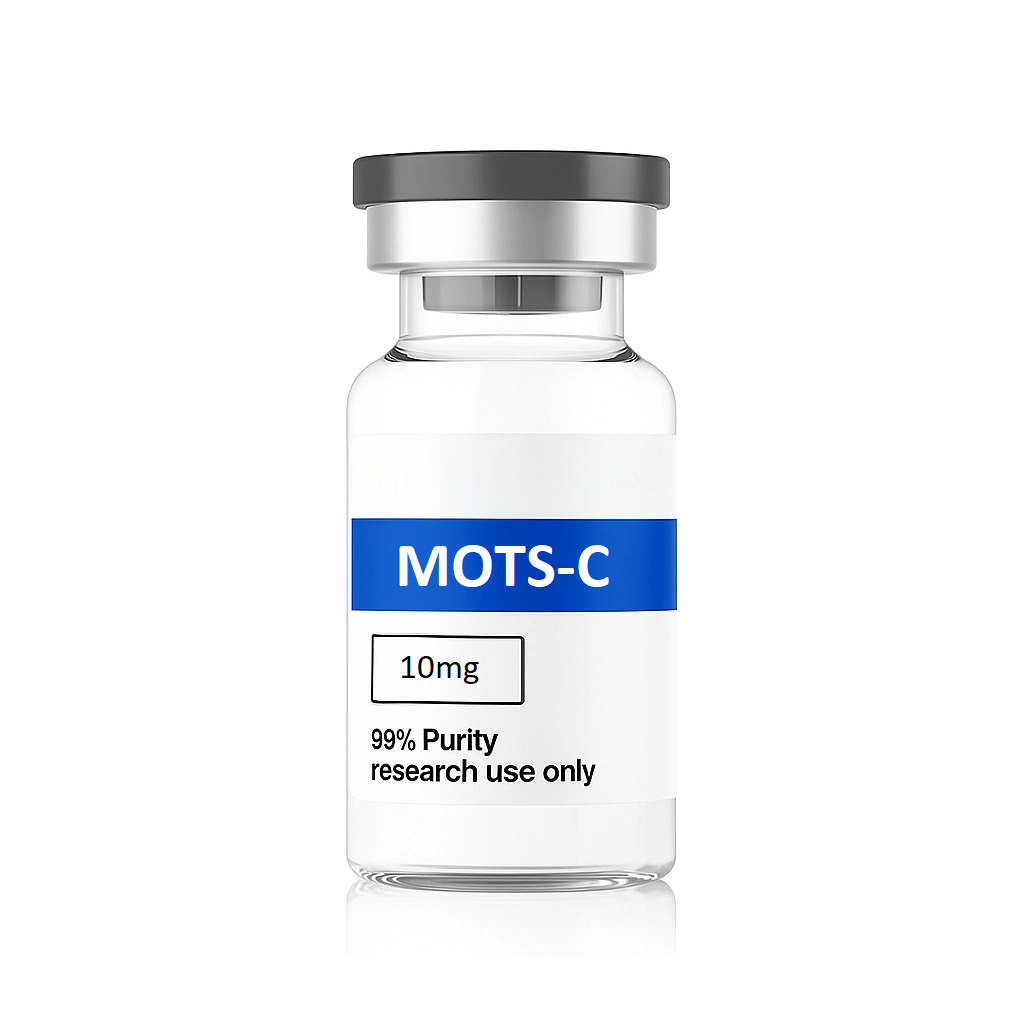
Research suggests:
Dive deep into Mots-c peptide research. Explore its role in metabolism, aging, and exercise mimetics. Discover the latest scientific findings and future potential of this mitochondri
For decades, our understanding of genetics was straightforward: DNA in the cell’s nucleus provides the blueprint for life. But a groundbreaking discovery in 2015 turned this idea on its head and opened a new frontier in longevity and metabolic science. The discovery was **Mots-c**, a peptide encoded not in the nuclear DNA, but within the DNA of our mitochondria.
Since its identification, Mots-c peptide research has exploded, revealing its potential as a master regulator of metabolism, a powerful exercise mimetic, and a key player in the aging process. This article provides a comprehensive, research-focused overview of Mots-c, separating the exciting science from the hype.
What is Mots-c? A Primer on the Mitochondrial Hormone
Mots-c (Mitochondrial Open Reading Frame of the 12S rRNA-c) is a small, signaling peptide. Its discovery was revolutionary because it was the first evidence that mitochondria—the powerplants of our cells—can actively encode and send regulatory signals to the rest of the cell and body, functioning much like a hormone.
Unlike most proteins, which are produced from blueprints in the cell’s nucleus, Mots-c is encoded by the small, circular genome within the mitochondria themselves. This places it at a critical junction of energy production and cellular communication.
Key Areas of Mots-c Peptide Research: The Scientific Evidence
The body of research on Mots-c, primarily from preclinical models, points to several profound physiological effects. Here’s what the studies are showing.
Metabolic Regulation and Insulin Sensitivity
One of the most robust findings in Mots-c research is its profound impact on metabolism.
The Folate-Adenosine Monophosphate (AMP) Pathway:
Research, notably from the University of Southern California, shows that Mots-c interacts with the folate cycle in cells. This interaction leads to a buildup of a metabolite called AICAR, which activates the key cellular energy sensor, AMPK (AMP-activated protein kinase).
The results
Activating AMPK mimics the metabolic effects of exercise and calorie restriction. It enhances glucose uptake into muscles, improves insulin sensitivity, and promotes the burning of glucose for energy instead of storing it as fat. In mouse models of high-fat diet-induced obesity, Mots-c administration was shown to **reverse diet-induced insulin resistance and obesity** without a change in food intake.
2. The Ultimate Exercise Mimetic?
The term “exercise mimetic” refers to a compound that can replicate some of the benefits of physical activity without the need to exercise. Mots-c research strongly suggests it is a prime candidate.
Muscle Endurance:
Studies have demonstrated that Mots-c treatment can significantly improve physical performance and endurance in mice. It does this by increasing glucose uptake into muscles during exertion, making energy more readily available.
AMPK Activation:
As mentioned, its activation of AMPK is a primary pathway through which exercise itself benefits the body, strengthening the case for its role as a powerful mimetic.
3. Longevity and Cellular Aging
The connection between metabolism and aging is well-established. Since Mots-c is a key metabolic regulator, its influence on lifespan is a major focus of research.
Protection Against Metabolic Stress:
Research indicates that Mots-c helps protect cells against various stresses associated with aging, including oxidative stress.
Promoting Cellular Health:
By optimizing metabolic function and promoting efficient energy use, Mots-c may help slow down age-related cellular decline. While direct lifespan extension in humans is not yet proven, the mechanistic pathways it influences (AMPK, insulin sensitivity) are consistently linked to healthspan and longevity in other research.
4. Bone Metabolism and Muscle Maintenance
Emerging research is expanding the potential of Mots-c beyond pure metabolism.
Bone Formation:
Some studies suggest that Mots-c promotes the formation of new bone (osteogenesis) by influencing the differentiation of stem cells into bone-forming osteoblasts. This points to a potential future role in combating age-related bone loss (osteoporosis).
Sarcopenia:
Its ability to improve muscle function and metabolism positions it as a potential therapeutic for sarcopenia, the age-related loss of muscle mass and strength.
The Critical Distinction: Mots-c Research vs. Human Use
It is crucial to understand the current state of Mots-c research:
Preclinical Stage: The vast majority of compelling data comes from *in vitro* (cell culture) and *in vivo* (animal, primarily mouse) studies.
Human Trials Pending: As of now, large-scale, robust clinical trials in humans are still in the early phases or being planned. The safety, efficacy, and optimal dosing for humans are not yet fully established.
Regulatory Status: Mots-c is not an FDA-approved drug for any condition. It is currently available primarily as a research chemical.
## Future Directions and Unanswered Questions in Mots-c Research
The scientific community is actively pursuing several key questions:
1. **Human Efficacy and Safety:** How do the dramatic effects seen in mice translate to humans? What are the potential long-term side effects?
2. Delivery Mechanisms: Finding the most effective way to administer the peptide (e.g., injection, oral form) is a significant area of development.
3. Mechanism Elucidation: Are there other, yet undiscovered, receptors or pathways that Mots-c interacts with?
4. Therapeutic Applications: Can Mots-c be developed into a legitimate treatment for type 2 diabetes, obesity, osteoporosis, or even neurodegenerative diseases?
Conclusion: A New Frontier in Molecular Biology
Mots-c peptide research has fundamentally altered our understanding of mitochondria, revealing them not just as passive energy generators, but as active signaling organelles that govern critical aspects of our health. The research to date paints a picture of a powerful peptide with immense therapeutic potential for some of the world’s most prevalent age-related diseases.
While the transition from lab bench to bedside is a long and rigorous process, the foundational science is undeniably compelling. Mots-c stands as a beacon in the new era of mitochondrial medicine, holding the promise of harnessing our own cellular machinery to fight metabolic disease and age-related decline.
FAQ Section
Q: Is Mots-c available as a prescription?
A: No, Mots-c is not currently approved by the FDA or other major regulatory bodies for prescription use. It exists in a legal gray area as a research chemical.
Q: How does Mots-c differ from other peptides?
A: Its most significant distinction is its origin. Mots-c is encoded by mitochondrial DNA, whereas nearly all other well-known peptides (like BPC-157 or TB-500) are encoded by nuclear DNA.
Q: What are the reported side effects of Mots-c?
A: Since human trials are limited, a comprehensive side effect profile is unknown. In preclinical models, it appears well-tolerated. Anecdotal reports from users of research chemicals sometimes mention mild hunger or fatigue, but this is not scientific evidence.
Q: Can I take Mots-c for weight loss?
A: Based on the research, it has the *mechanistic potential* to aid weight loss by improving metabolic health. However, it is not a magic bullet, and its use for this purpose in humans is experimental and not medically endorsed.
All articles and product information provided here are intended solely for informational and educational purposes. Additionally, these products are offered exclusively for in vitro research. Bodily introduction of any kind into humans or animals is strictly forbidden by law. These products are offered as research chemicals only.
 GHRP-6 5mg
  DSIP 10mg