

Research suggests:
Peptide hormones communicate with cells through highly specific receptor interactions that trigger signaling cascades inside tissues and organs. Scientists study these molecular communication systems to understand how peptide signals bind to receptors, activate intracellular pathways, and regulate biological processes.
Peptide hormones are unique because they rely on receptor-mediated signaling rather than entering cells directly. This interaction between peptides and receptors allows biological systems to coordinate metabolism, cellular activity, neurological signaling, and endocrine regulation.
What Are Peptide Hormones?
Peptide hormones are short chains of amino acids that function as chemical messengers in the body. These molecules travel through biological fluids until they reach cells that contain the correct receptor.
Once the peptide binds to its receptor, the interaction triggers biochemical signaling pathways inside the cell.
Common biological systems regulated by peptide hormones include:
- Endocrine signaling
- Metabolic regulation
- Neurological communication
- Cellular growth signaling
- Energy metabolism pathways
Understanding how peptide hormones interact with receptors is an important focus of modern molecular research.
How Peptide Hormone Receptors Work
Unlike steroid hormones that can pass directly through cell membranes, peptide hormones must bind to receptors located on the cell surface. These receptors act as specialized molecular sensors that detect specific peptide signals.
When a peptide binds to its receptor, several events may occur:
- The receptor changes shape.
- Intracellular signaling molecules become activated.
- Cellular communication pathways transmit signals inside the cell.
- Biological responses may occur depending on the signaling pathway involved.
Researchers often study these receptor interactions to map the complex communication networks that regulate biological systems.
Types of Peptide Hormone Receptors
Several categories of receptors participate in peptide hormone communication.
G-Protein Coupled Receptors (GPCRs)
Many peptide hormones signal through G-protein coupled receptors, which activate intracellular messenger systems.
These receptors are commonly involved in:
- Hormone signaling
- Metabolic regulation
- Neurological communication
- Cellular signaling cascades
Receptor Tyrosine Kinases
Some peptide hormones interact with receptors that activate enzyme-driven signaling processes inside the cell. These pathways are often associated with growth signaling and cellular communication.
Cytokine-Related Receptors
Certain peptide signaling molecules interact with receptors associated with immune and cellular signaling pathways. These receptors help regulate communication between cells during complex biological responses.
Peptides Studied in Hormone Receptor Research
Laboratory research exploring peptide hormone receptor communication often includes a variety of peptides studied for their interaction with endocrine signaling pathways.
For example, researchers examining growth hormone receptor communication sometimes investigate compounds such as CJC-1295 without DAC and Sermorelin to explore how peptide molecules interact with receptors involved in hormone signaling.
Scientists also examine peptides like Ipamorelin and Hexarelin when studying receptor-mediated communication within endocrine systems.
In growth-related signaling research, molecules such as IGF-DES and IGF-LR3 are often studied for their interaction with receptor systems associated with cellular growth pathways.
Metabolic Peptide Signaling
Hormone receptor communication is also closely connected with metabolic signaling systems. Researchers exploring metabolic pathways sometimes examine compounds such as AOD-9604 when studying peptide interactions involved in metabolic signaling.
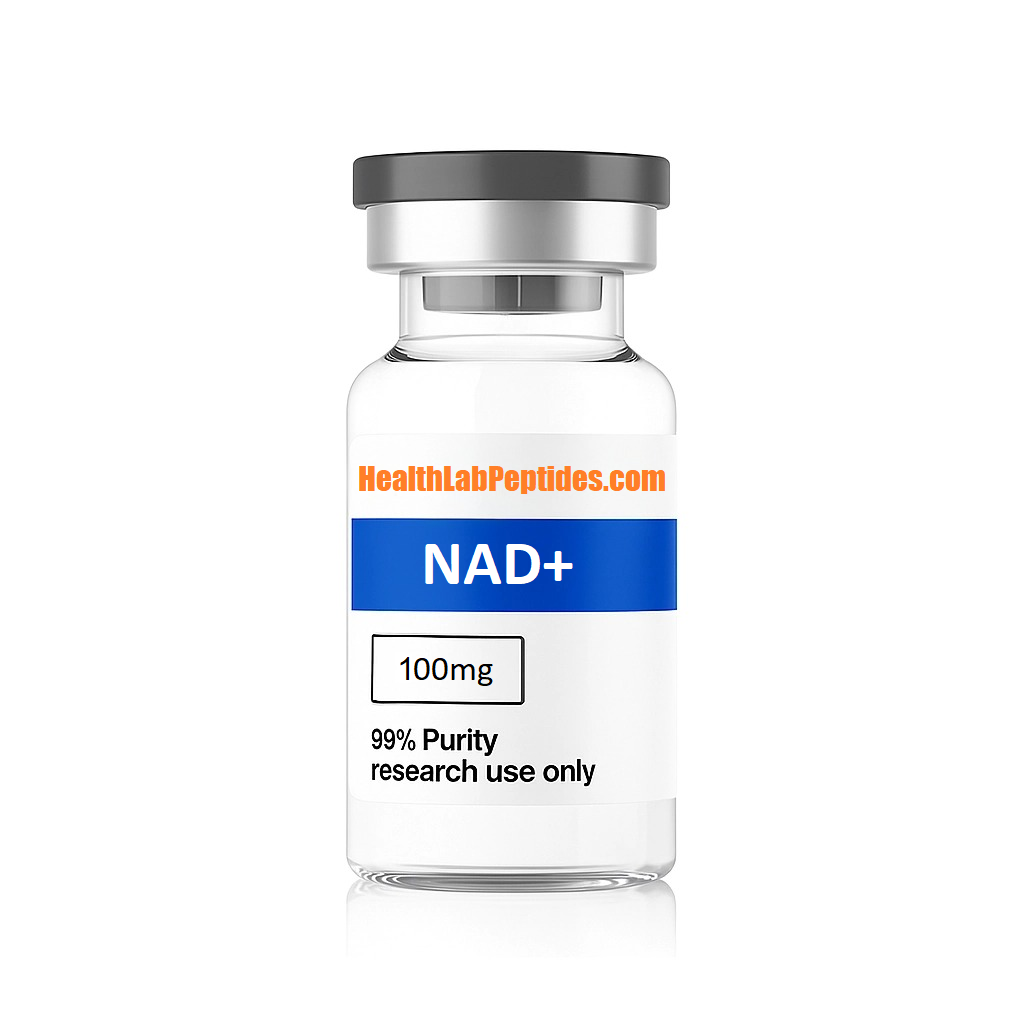
Scientists studying cellular energy regulation may also investigate molecules like NAD+ because of its role in energy metabolism and cellular signaling.
Other research compounds appearing in metabolic signaling studies include SLU-PP-332 and mitochondrial peptides such as SS-31.
These molecules help scientists investigate how cellular energy pathways communicate through biochemical signaling networks.
Neurological Peptide Signaling
Peptide receptor communication also plays an important role in neurological signaling systems. Certain peptides interact with receptors that influence communication between neurons and other brain cells.
Laboratory discussions of neuropeptide signaling sometimes include compounds such as Semax and Selank.
Sleep-related signaling research may also reference peptides such as DSIP (Delta Sleep-Inducing Peptide) when exploring molecular pathways involved in circadian rhythm communication.
Other peptides studied in cellular signaling research include ARA-290 and experimental compounds like MT-11.
Why Peptide Hormone Receptor Communication Matters in Research
Understanding peptide hormone receptor communication helps scientists explore how biological systems maintain coordination across multiple physiological processes.
Research in this field contributes to scientific understanding of:
- Hormone signaling networks
- Cellular communication pathways
- Neurological signaling systems
- Metabolic regulation
- Molecular receptor interactions
Studying these communication pathways allows researchers to map the complex biochemical networks that regulate biological activity.
Conclusion
Peptide hormone receptor communication is a fundamental aspect of biological signaling systems. Through receptor-mediated interactions, peptide molecules transmit messages that coordinate endocrine, metabolic, and neurological functions within complex biological systems.
Laboratory research continues to explore how peptide molecules interact with receptors and signaling pathways. As peptide science advances, understanding receptor communication remains a key area of investigation in molecular biology and biochemical research.
Research Disclaimer (RUO)
All compounds available from HealthLab Peptides are strictly RUO (Research Use Only).
They are not intended for human consumption, medical use, or veterinary use. These materials are supplied exclusively for laboratory research purposes by HealthLab Peptides.