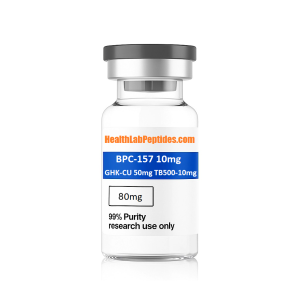

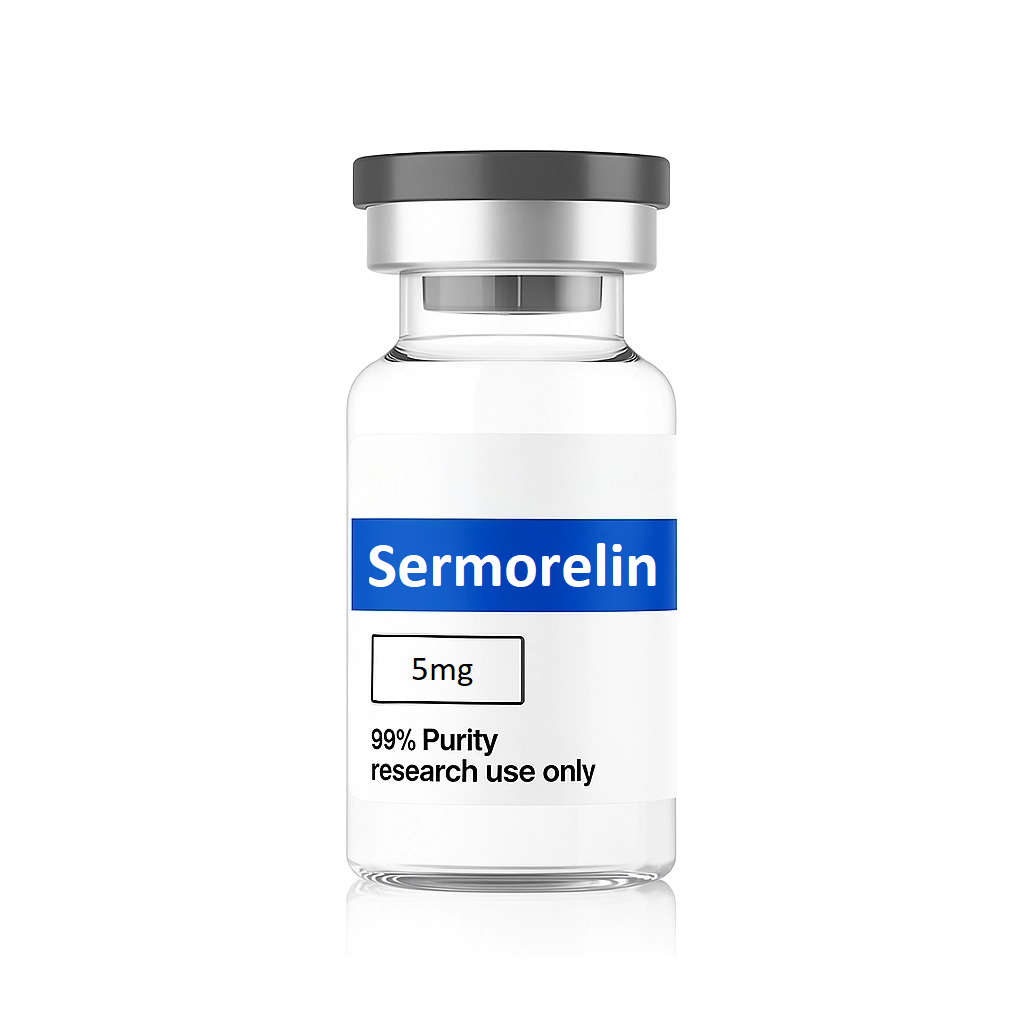
Research suggests:
Peptides for Muscle Growth: A Scientific Review of the Evidence
The pursuit of enhanced physical performance and muscle growth has led to significant interest in compounds that can push the boundaries of natural potential. Among these, peptides have emerged as a topic of intense discussion in fitness, biohacking, and research circles.
But what does the scientific literature actually say about using peptides for muscle growth? This article provides a comprehensive, research-only deep dive into the mechanisms, types, and evidence surrounding peptides and their role in body composition.
***Disclaimer:** This article is for informational and research purposes only. It is not medical advice. The use of peptides for performance enhancement or muscle growth is not approved by the FDA for these purposes and may be illegal without a prescription from a licensed healthcare provider. *
What Are Peptides? The Basic Science
At a fundamental level, peptides are short chains of amino acids, the building blocks of proteins. They occur naturally in the body and act as signaling molecules, instructing cells and other molecules to perform specific functions.
Think of them as master keys that can unlock various biological processes. In the context of muscle growth, the most relevant peptides are those that influence the body’s endocrine system, particularly the secretion of **Growth Hormone (GH)** and **Insulin-like Growth Factor 1 (IGF-1)**.
How Do Peptides theoretically Promote Muscle Growth?
The primary mechanism by which certain peptides are believed to support muscle growth is through the stimulation of the GH/IGF-1 axis. Here’s a simplified breakdown of the process:
1. **Peptide Administration:** A specific peptide is introduced into the body.
2. **Stimulation of the Pituitary Gland:** The peptide binds to receptors, signaling the pituitary gland to increase the pulsatile secretion of endogenous Growth Hormone.
3. **Liver Activation:** The increased GH circulation stimulates the liver to produce IGF-1.
4. **Anabolic Effects:** IGF-1 is a potent anabolic (muscle-building) hormone. It promotes:
* **Protein Synthesis:** Increased creation of new muscle protein.
* **Hyperplasia & Hypertrophy:** Potential increase in the number and size of muscle cells.
* **Enhanced Recovery:** Improved repair of muscle tissue damaged during exercise.
* **Lipolysis:** The breakdown of fat, leading to a leaner body composition.
Key Peptides in Research: GHRPs, GHRHs, and SARMs
Research primarily focuses on two main classes of growth hormone-stimulating peptides, along with a separate but often grouped category.
1. Growth Hormone-Releasing Peptides (GHRPs)
GHRPs are synthetic peptides that stimulate the pituitary gland directly by mimicking the action of the natural hormone Ghrelin (the “hunger hormone”).
* **Ipamorelin:** Often highlighted in research for its **selectivity**. It is known for having a strong GH-releasing effect with a comparatively lower increase in cortisol and prolactin, which are undesirable side effects associated with other peptides.
* **GHRP-2 & GHRP-6:** These are potent GH secretagogues. GHRP-6 is also known for significantly increasing appetite, which can be a desired or undesired effect depending on the goal. Research indicates they are powerful but may carry a higher risk of side effects like water retention and elevated prolactin.
2. Growth Hormone-Releasing Peptides (GHRPs)
GHRHs are analogs of the body’s natural Growth Hormone-Releasing Hormone. They work by stimulating the pituitary gland in a more natural, pulsatile manner.
* **CJC-1295 (with and without DAC):** This peptide has been studied for its ability to extend the half-life of GH pulses. The “DAC” (Drug Affinity Complex) version creates a sustained release of GH over several days, while the no-DAC version (often called CJC-1295 or Mod GRF 1-29) provides a more acute, pulse-like release. The no-DAC version is frequently used in research stacks with GHRPs for a synergistic effect.
3. Selective Androgen Receptor Modulators (SARMs) – A Note on Classification
Research suggests, while not peptides (they are small molecule compounds), SARMs are often discussed in the same context. They are designed to selectively target androgen receptors in muscle and bone tissue, aiming to provide the anabolic benefits of steroids with fewer side effects.
Examples: Ostarine (MK-2866), Ligandrol (LGD-4033), Andarine (SARM S4).
Research Context: Studies, often on populations with muscle-wasting diseases, show they can increase lean body mass and strength. However, they are investigational drugs and carry significant risks, including potential liver toxicity and suppression of natural testosterone production.
The effects on muscle growth
It is crucial to distinguish between *mechanistic evidence* and *clinical outcomes* in healthy, young individuals.
* **Mechanistic Evidence is Strong:** Numerous studies confirm that peptides like GHRP-6 and CJC-1295 significantly increase GH and IGF-1 levels in the bloodstream. A study published in the *Journal of Clinical Endocrinology & Metabolism* found that a single injection of CJC-1295 increased mean plasma GH levels by 2-10 fold for over 6 days.
Clinical Outcomes are Less Clear-Cut: While the hormonal response is well-documented, high-quality, large-scale studies demonstrating dramatic muscle growth in healthy, training athletes are scarce. Much of the evidence is anecdotal or based on small, uncontrolled trials. The effects on muscle growth, while plausible, are often more subtle than those seen with classic anabolic steroids.
Research in Clinical Populations: The most compelling evidence comes from studies on individuals with GH deficiency, elderly populations (sarcopenia), or those with catabolic illnesses, where peptide therapy has been shown to improve lean body mass and physical function.
Critical Considerations and Potential Side Effects
The pursuit of muscle growth via peptides is not without significant risks and ethical considerations.
1. **Legality and Regulation:** In most countries, the sale and possession of these peptides for non-prescribed, human use is illegal. They are not approved by the FDA for bodybuilding or athletic enhancement.
2. **Side Effects:** Common side effects reported in research and anecdotally include:
* Water retention and joint stiffness
* Increased blood glucose (insulin resistance)
* Numbness and tingling (carpal tunnel syndrome)
* Elevated cortisol and prolactin (with certain peptides)
* Acne and gynecomastia (in rare cases)
3. **The “Black Market” Problem:** Sourcing peptides from unregulated labs poses a massive risk of contamination, incorrect dosing, and receiving mislabeled or fake products.
4. **Endocrine System Disruption:** Artificially manipulating your body’s most powerful growth axis can have long-term, unforeseen consequences, including the suppression of your natural hormone production.
The Verdict from a Research Perspective
From a purely scientific standpoint, the mechanism of action for peptides like Ipamorelin and CJC-1295 is sound and well-documented. They reliably increase levels of Growth Hormone and IGF-1, which are unequivocally anabolic hormones.
However, the translation of this hormonal increase into significant, safe, and superior muscle growth in healthy individuals remains less conclusively proven by rigorous clinical trials. The effects are likely dose-dependent and come with a spectrum of potential side effects and legal ramifications.
**Natural, Proven Alternatives:** For the vast majority of people, the most effective and safest strategies for muscle growth remain:
* **Progressive Overload Resistance Training**
* **A Caloric Surplus with Adequate Protein (1.6-2.2g/kg of body weight)**
* **Optimal Sleep and Stress Management**
* **Consistency over time**
Conclusion
Peptides represent a fascinating and complex area of endocrinology research with real therapeutic potential for specific medical conditions. Their application for muscle growth is underpinned by a plausible biological mechanism, but it exists in a gray area of science, fraught with legal issues, health risks, and a lack of long-term safety data.
While the allure of a “master key” to unlocking new muscle is powerful, the evidence suggests that the risks currently outweigh the benefits for the average individual. Any consideration of their use should be done under the strict supervision of a qualified medical professional within a legal and ethical framework, not based on anecdotal reports from the gym or unverified online sources.
Use of Products
- All products sold by healthlabpeptides.com are strictly intended for laboratory research purposes only.
- Products are not intended for human or animal consumption, medical treatment, diagnosis, prevention, or cure of any condition.
- Products are not to be used as supplements, drugs, medical devices, cosmetics, food, or additives under any circumstance.
- Only qualified, licensed professionals are permitted to handle, store, and utilize these materials in controlled research environments.
- Any misuse, alteration, or unauthorized application of products is strictly prohibited and may violate federal law, including the Federal Food, Drug, and Cosmetic Act.