

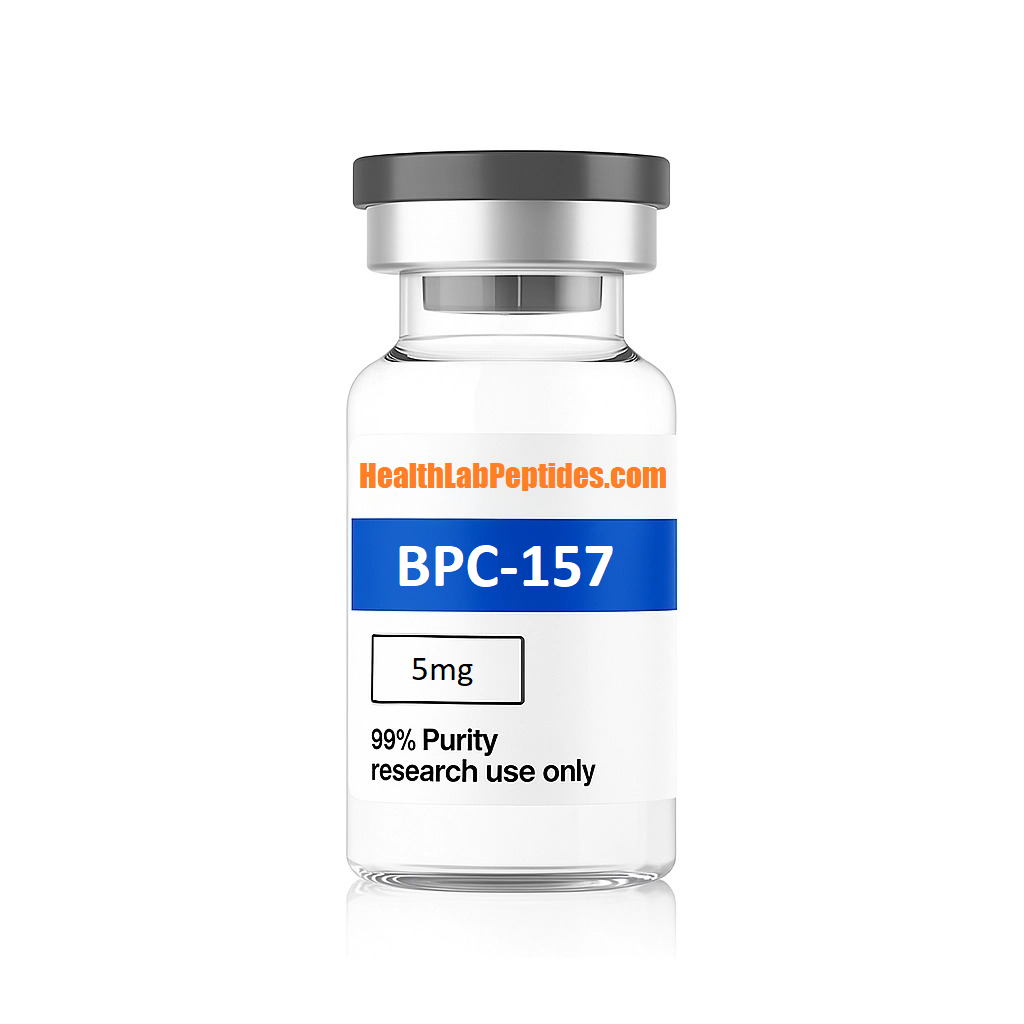
Research suggests: TB-500 and BPC-157 are two of the most discussed peptides in laboratory studies focused on tissue repair, inflammation signaling, and cellular recovery pathways. While both are examined in healing-related models, their mechanisms and research focus differ.
What Is TB-500?
TB-500 is a synthetic version of a fragment of thymosin beta-4. It is commonly studied for its role in cell migration, angiogenesis, and systemic tissue repair signaling.
Key Research Areas:
- Cell movement (actin regulation)
- Blood vessel formation (angiogenesis)
- Inflammation modulation
- Broad, systemic healing models
👉 TB-500
What Is BPC-157?
BPC-157 is a peptide derived from a protective protein found in gastric juice. It is studied for localized tissue repair and gastrointestinal-related pathways.
Key Research Areas:
- Tendon and ligament models
- Gut integrity and repair signaling
- Nitric oxide pathways
- Localized healing responses
👉 BPC-157
Key Differences (Side-by-Side)
| Feature | TB-500 | BPC-157 |
|---|---|---|
| Origin | Thymosin beta-4 fragment | Gastric protein derivative |
| Research Focus | Systemic healing | Localized repair |
| Mechanism | Cell migration + angiogenesis | Growth factor signaling + NO pathways |
| Tissue Types | Muscle, tissue, vascular | Tendon, ligament, gut |
| Study Type | Broad recovery models | Targeted injury models |
Mechanism Differences (Research View)
TB-500
Research suggests TB-500 works by:
- Promoting cell migration to injury sites
- Supporting new blood vessel formation
- Enhancing system-wide repair signaling
BPC-157
Research suggests BPC-157 may:
- Influence growth factors (VEGF, FGF)
- Support nitric oxide pathways
- Promote localized tissue repair signaling
Which One Is Studied for Healing?
Both peptides are researched for healing, but in different ways:
- TB-500 → systemic, whole-body repair models
- BPC-157 → localized, targeted tissue models
Because of this, some research discussions evaluate them together rather than as direct replacements.
Research Overlap
Both TB-500 and BPC-157 are studied for:
- Inflammation modulation
- Tissue repair signaling
- Recovery pathway activation
- Cellular regeneration processes
However, their pathways and emphasis differ, which is why they are often compared.
Limitations of Research
- Most data comes from animal or in vitro studies
- Human clinical evidence is limited
- Mechanisms are still being explored
- Not approved for therapeutic use
Conclusion
TB-500 and BPC-157 remain two of the most researched peptides in healing-related studies.
- TB-500 is associated with systemic repair and angiogenesis
- BPC-157 is linked to localized tissue and gut repair pathways
Both continue to be studied in controlled research environments, with growing scientific interest.
Meta Description
Research suggests TB-500 vs BPC-157 are studied for tissue repair, inflammation, and recovery pathways. Compare healing mechanisms and research differences. RUO only from HealthLab Peptides.
RUO Disclaimer
All products from HealthLab Peptides are intended for Research Use Only (RUO).
TB-500 and BPC-157 are not for human or veterinary use.
If you want next, I can build:
- 🔥 “Best healing peptides” money page (high conversion)
- 🔥 BPC-157 deep-dive SEO article
- 🔥 Internal linking silo to rank your entire peptide category