
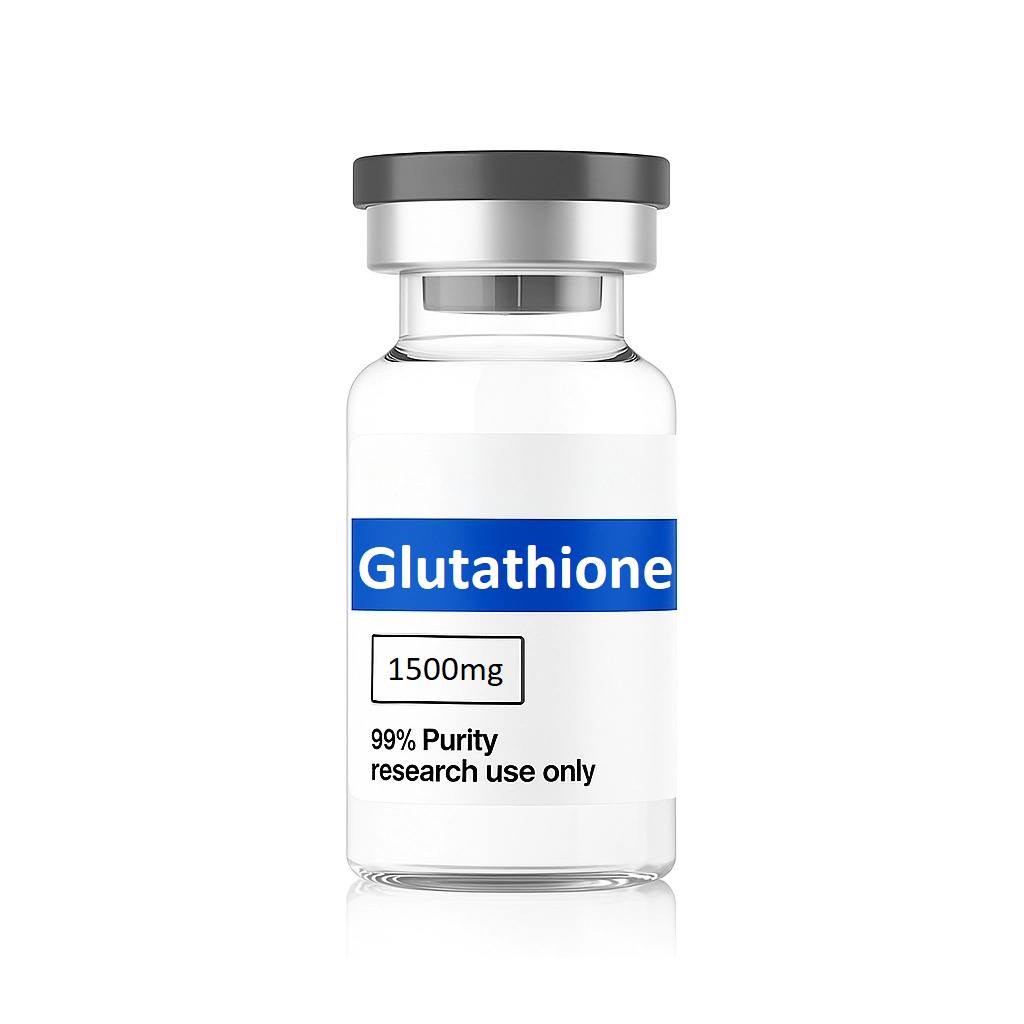
The Cornerstone of Cellular Defense Gluathione Peptide Research
In the intricate world of cellular biology and biochemistry, few molecules have garnered as much attention as Glutathione Peptide Research. Often referred to as the “master antioxidant,” Gluathione Peptide Research simple tripeptide—composed of three amino acids: glutamine, cysteine, and glycine—is a fundamental pillar of cellular health and function.
While its name is frequently mentioned in wellness circles, this article will focus strictly on the scientific exploration surrounding Gluathione Peptide Research. We will delve into the published research to understand its biochemical roles, its mechanisms of action, and the ongoing scientific inquiry into its functions, all from an evidence-based perspective.
What is Glutathione Peptide Research? Understanding the Biochemistry
Before exploring the research, it’s crucial to define our subject. Glutathione (GSH) is an endogenous antioxidant, meaning it is produced naturally within the cells of nearly all aerobic organisms. Its structure as a small peptide makes it a unique and versatile molecule.
Biochemically, Glutathione exists in two main forms:
1. Reduced Glutathione (GSH): The active, antioxidant form that is ready to neutralize free radicals.
2. Oxidized Glutathione (GSSG): The “spent” form after it has donated an electron.
The ratio of GSH to GSSG within a cell is often considered in scientific research as a marker of cellular oxidative stress. A high GSH/GSSG ratio is generally associated with a healthy, balanced cellular environment.
The Scientific Lens: Key Areas of Glutathione Peptide Research
Researchers have dedicated decades to understanding the multifaceted roles of Gluathione Peptide Research. The following areas represent some of the most prominent themes in the scientific literature.
1. Role in Antioxidant Defense and Redox Signaling
The primary function explored in research is Glutathione‘s role as a central component of the body’s antioxidant defense system. Studies investigate how it directly neutralizes reactive oxygen species (ROS) and free radicals, which are unstable molecules that can cause damage to cellular components like DNA, proteins, and lipids.
Furthermore, scientific inquiry focuses on how the Glutathione system interacts with other antioxidants like Vitamin C and E, recycling them back to their active forms. This creates a sophisticated antioxidant network crucial for maintaining cellular redox homeostasis—a delicate balance between oxidation and reduction reactions.
2. Involvement in Detoxification Pathways
A significant body of research examines Glutathione’s critical role in Phase II detoxification, primarily in the liver. For example, studies describe how enzymes like Glutathione S-transferases (GSTs) conjugate Glutathione to toxins, heavy metals, and pharmaceuticals. As a result, this conjugation process makes these substances more water-soluble, facilitating their excretion from the body through bile or urine. Ultimately, this line of research is fundamental to understanding the body’s innate detoxification biochemistry.
3. Support for Immune System Function
Immunological research has explored the connection between Glutathione and immune cell activity. Scientific reports indicate that optimal levels of Glutathione in immune cells, such as lymphocytes, are associated with their ability to proliferate and mount an effective response. Research models are used to understand how Glutathione influences the signaling pathways that govern the immune response.
4. Cellular Energy Production and Mitochondrial Function
As the powerhouses of the cell, mitochondria are a major source of ROS. Consequently, research investigates the close relationship between Glutathione and mitochondrial integrity. In fact, studies suggest that Glutathione helps protect mitochondrial DNA and membranes from oxidative damage, thereby supporting the efficiency of cellular energy (ATP) production. Additionally, the concentration of Glutathione within mitochondria is a specific area of scientific interest.
The Challenge of Bioavailability in Research Settings
One of the most consistent themes in Glutathione literature is the challenge of its bioavailability. Because it is a peptide, ingesting Glutathione orally can lead to its breakdown by digestive enzymes. This has led researchers to explore various methods to support or assess Glutathione status, including:
Precursor Supplementation: Studying the administration of precursor amino acids, most notably **N-Acetylcysteine (NAC)**, which provides cysteine, the rate-limiting component for Glutathione synthesis.
Liposomal and Other Forms: Investigating engineered forms like liposomal Glutathione, designed to enhance absorption by protecting it from digestive degradation.
Intravenous (IV) Administration: Examining the direct introduction of Glutathione into the bloodstream in clinical research settings to bypass the digestive system entirely.
It is important to note that the outcomes observed in controlled research settings using these methods are specific to those conditions and are the subject of ongoing scientific debate and investigation.
Factors Explored in Relation to Glutathione Levels
Research has identified several factors that are commonly studied in the context of their potential impact on the body’s Glutathione levels. These include, but are not limited to:
Aging: Many studies observe a correlation between advancing age and decreased tissue levels of Glutathione.
Chronic Stress: Research models investigate the impact of physiological stress on the body’s antioxidant reserves.
Poor Nutritional Status: Diets low in the precursor amino acids or essential co-factors (like selenium, which is crucial for Glutathione peroxidase activity) are a point of scientific inquiry.
Environmental Toxin Exposure: Research examines the body’s Glutathione consumption in response to exposure to various pollutants.
Conclusion: A Vital Molecule Under the Scientific Microscope
The collective body of Glutathione peptide research paints a picture of a fundamentally important molecule in cellular biochemistry. Its roles in antioxidant defense, detoxification, and immune function make it a compelling subject for ongoing scientific exploration.
Understanding the difference between observed biochemical roles in research and direct health outcomes is crucial. The science clearly establishes what Glutathione does at a cellular level, and research continues to elucidate the complexities of its function and regulation within the human body.
As with any area of active scientific inquiry, it is always recommended to consult with a healthcare professional for personalized advice. The field of peptide research is dynamic, and new discoveries continue to refine our understanding of this master antioxidant.
Disclaimer: This article is for informational and research summary purposes only. It does not constitute medical advice and makes no health claims. The content is based on a review of available scientific literature.