
**Title:** Ipamorelin Peptide: A Scientific Overview of Research and Mechanisms
**Meta Description:** Explore a scientific overview of Ipamorelin peptide research. This article delves into the mechanism of action, key study findings, and the research landscape of this selective growth hormone secretagogue.
**URL Slug:** scientific-overview-ipamorelin-peptide-research
—
# Ipamorelin Peptide: A Scientific Overview of Research and Mechanisms
Within the field of endocrinology and metabolic research, scientists are continually exploring compounds that can help elucidate the complex mechanisms of growth hormone (GH) release. Among these compounds, Ipamorelin has emerged as a subject of significant scientific interest due to its unique selectivity.
This article provides a comprehensive, scientific overview of Ipamorelin peptide research. We will explore its chemical structure, its proposed mechanism of action within the body’s endocrine system, and a summary of key findings from preclinical and clinical research studies. The focus will remain strictly on the scientific and research landscape.
## What is Ipamorelin? A Structural Perspective
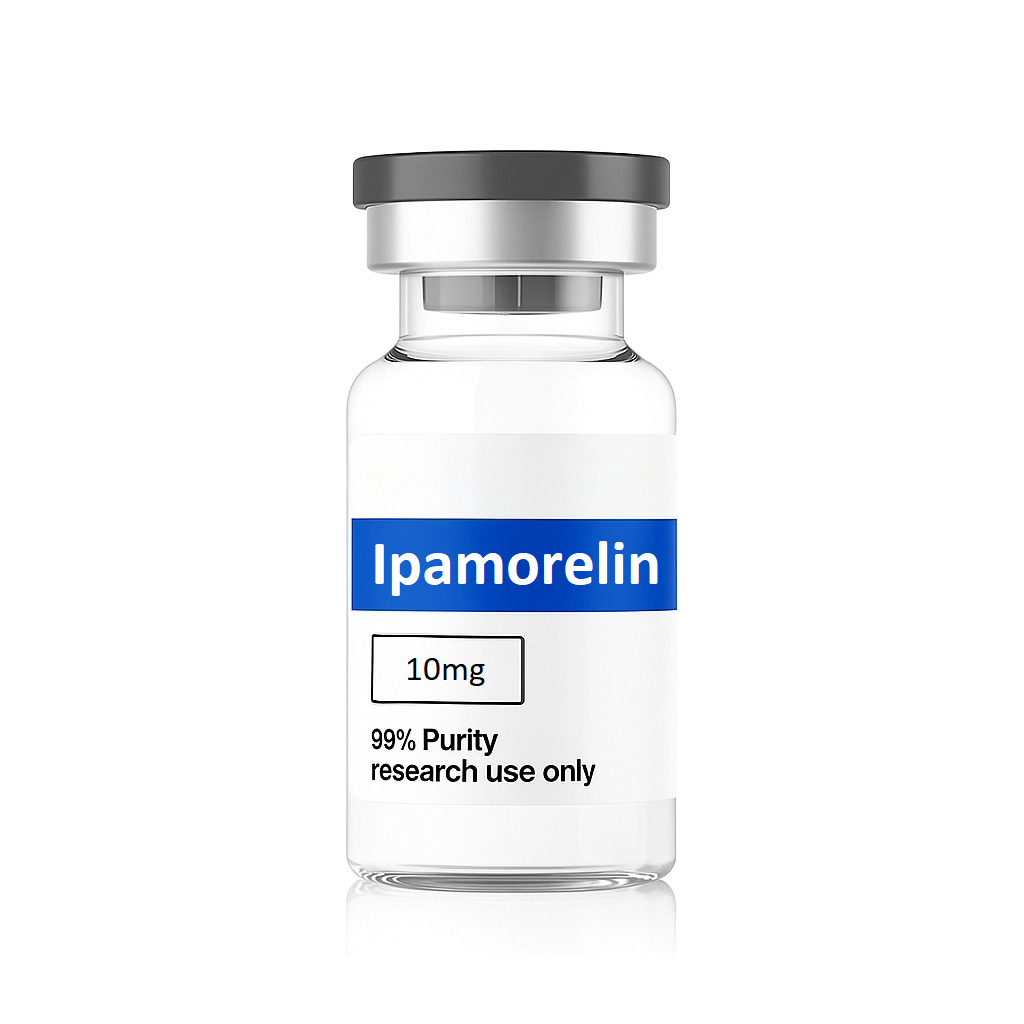
Ipamorelin is a synthetic pentapeptide, meaning it is a chain of five amino acids (Aib-His-D-2-Nal-D-Phe-Lys-NH2). It belongs to a class of compounds known as growth hormone secretagogues (GHSs), which are molecules designed to stimulate the secretion of growth hormone from the pituitary gland.
Its design is based on the endogenous ghrelin system, and it functions as a potent and selective agonist of the ghrelin/growth hormone secretagogue receptor (GHSR).
## The Scientific Mechanism of Action: How Ipamorelin is Studied
To understand Ipamorelin research, one must first understand its proposed mechanism of action at a cellular level.
1. **Targeting the GHSR Receptor:** Ipamorelin is studied for its ability to selectively bind to and activate the GHSR located on the surface of somatotroph cells in the anterior pituitary gland.
2. **Mimicking Ghrelin:** This receptor is the same one activated by the natural hormone ghrelin, often called the “hunger hormone.” By mimicking ghrelin, Ipamorelin triggers a similar intracellular signaling cascade.
3. **Pulsatile GH Release:** The activation of this pathway is believed to result in a pulsatile release of growth hormone into the bloodstream, mimicking the body’s natural, episodic secretion pattern.
A key differentiator noted in scientific literature is Ipamorelin’s **selectivity**. Unlike some earlier GHSs, research indicates that Ipamorelin has a minimal effect on the acute release of other pituitary hormones like cortisol, prolactin, and ACTH. This selectivity makes it a valuable tool for researchers aiming to isolate the effects of GH release.
## Key Areas of Ipamorelin Research in Scientific Literature
The investigation into Ipamorelin spans various preclinical and clinical models. Below is a summary of prominent research themes found in scientific databases.
### 1. Research in Metabolic and Body Composition Models
A substantial body of research has explored the effects of Ipamorelin in the context of metabolism. Scientific studies, particularly in animal models, have been conducted to observe its influence on:
* **Nitrogen Balance:** Research has investigated how Ipamorelin administration affects nitrogen retention, a key marker of protein metabolism.
* **Body Composition Parameters:** Studies have been designed to measure changes in lean body mass and fat mass in research models, often in the context of catabolic states.
### 2. Investigation in Gastrointestinal Motility Models
One of the most distinctive and widely cited areas of Ipamorelin research involves the gastrointestinal (GI) system. A notable line of inquiry stems from its structural similarity to other peptides known to affect gut motility.
* **Post-Operative Ileus (POI) Models:** Several clinical trials have specifically investigated Ipamorelin’s potential to accelerate the recovery of gastrointestinal function following abdominal surgery. The research hypothesis centers on its ability to stimulate GI motility without provoking a significant inflammatory response.
### 3. Studies on Bone and Connective Tissue
Given the role of the GH/IGF-1 axis in anabolism, researchers have also examined Ipamorelin in models related to tissue repair.
* **Bone Formation Markers:** Studies have looked at biomarkers of bone turnover and formation in response to Ipamorelin.
* **Colonic Anastomosis Healing:** Preclinical research has explored the effects of Ipamorelin on the healing strength of surgically reconnected colon tissue.
## A Snapshot of Clinical Trial History
The research journey of Ipamorelin includes several human clinical trials, primarily investigating its application for post-operative ileus.
* A Phase II clinical trial investigated its use in patients recovering from bowel surgery.
* A subsequent, larger Phase III trial was conducted to further evaluate its efficacy and safety profile in this specific clinical context.
It is important to note that the outcomes and status of these trials are a matter of public record in clinical trial registries, and the compound has not been approved for general use by major regulatory bodies like the FDA.
## Conclusion: The Research Status of Ipamorelin
In summary, Ipamorelin represents a significant compound in scientific research due to its selective mechanism of action as a growth hormone secretagogue. Studies conducted in laboratory and clinical settings have provided valuable insights into its effects on endocrine function, metabolism, and gastrointestinal motility.
The existing body of literature establishes Ipamorelin as a potent and selective research tool for exploring the ghrelin pathway and the physiological effects of pulsatile growth hormone release. Ongoing research continues to define its potential applications within strictly controlled scientific and clinical investigation frameworks.
—
**Disclaimer:** This article is intended for informational and educational purposes only. The content presented is a summary of existing scientific research and does not constitute medical or health advice. Ipamorelin is a research chemical and has not been approved by the FDA or other regulatory bodies for the diagnosis, treatment, cure, or prevention of any disease or condition. It is not intended for human consumption.
Is this article making health claims?
No. This article explicitly does not make any health or therapeutic claims. It is a summary of existing scientific research presented for informational and educational purposes only. The disclaimer at the beginning of the article is a critical part of this communication.