

Description
NAD+ Research: Exploring One of the Most Studied Molecules in Cellular Energy Science
Understanding NAD+, Cellular Energy Production, and Modern Metabolic Research
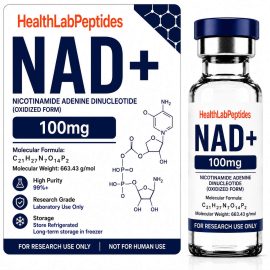
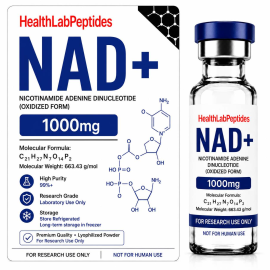
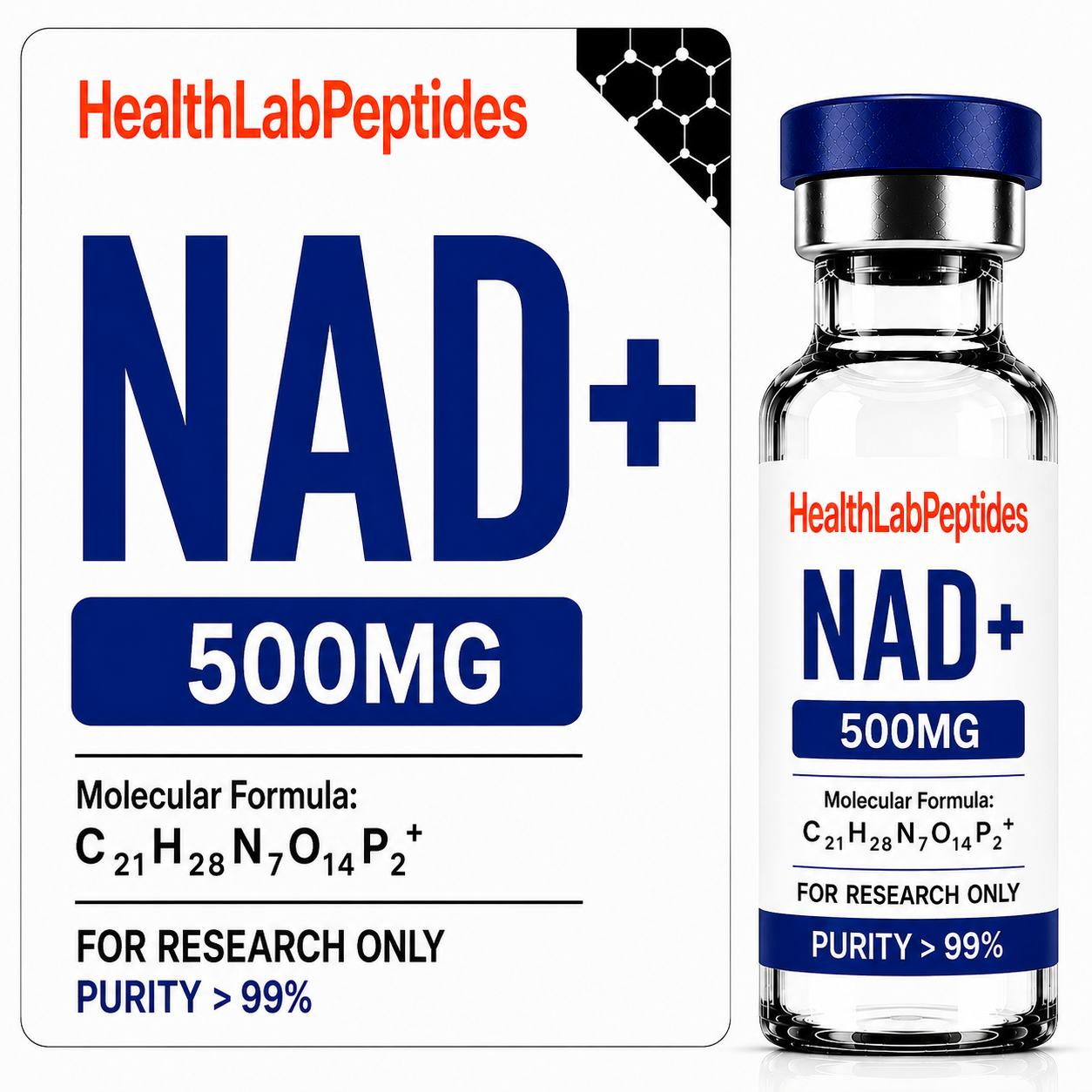
Research suggests: NAD+ (Nicotinamide Adenine Dinucleotide) is one of the most important molecules studied in cellular biology. Found naturally in living cells, NAD+ plays a central role in energy production, mitochondrial function, cellular signaling, and metabolic regulation. Because of its involvement in numerous biological processes, NAD+ has become one of the most researched compounds in modern longevity, metabolism, and cellular-energy studies.
Interest in NAD+ research has expanded significantly as scientists continue investigating how cellular energy systems function and adapt under various conditions. Researchers frequently examine NAD+ alongside peptides such as MOTS-c, SS-31, Epitalon, and other compounds involved in mitochondrial and metabolic research.
What Is NAD+?
NAD+ stands for Nicotinamide Adenine Dinucleotide, a coenzyme present in virtually every living cell. It participates in hundreds of biochemical reactions and is considered essential for cellular energy production.
Researchers study NAD+ because it plays a critical role in:
- Cellular energy metabolism
- Mitochondrial function
- Redox reactions
- Cellular signaling pathways
- DNA repair mechanisms
- Metabolic communication systems
Without NAD+, cells would struggle to efficiently convert nutrients into usable energy.
Why Researchers Study NAD+
Scientists continue studying NAD+ because of its broad involvement throughout biological systems.
Research commonly focuses on:
- Cellular energy production
- Mitochondrial health
- Metabolic adaptation
- Stress-response pathways
- Aging-related cellular processes
- Sirtuin signaling pathways
Because NAD+ influences so many biological functions, it remains one of the most important molecules in modern cellular research.
NAD+ and Mitochondrial Function
Mitochondria are often referred to as the energy-producing structures within cells. Researchers investigating mitochondrial biology frequently examine how NAD+ contributes to:
- ATP production
- Cellular respiration
- Energy transfer
- Metabolic efficiency
- Cellular adaptation mechanisms
These studies have helped establish NAD+ as a major focus within metabolic and mitochondrial research.
What Have Researchers Observed During NAD+ Studies?
Throughout laboratory investigations, researchers have observed that NAD+ participates in numerous biological processes connected to cellular energy and metabolic regulation.
Areas commonly explored include:
- Cellular energy metabolism
- Mitochondrial communication
- Nutrient-sensing pathways
- DNA maintenance systems
- Oxidative stress research
- Cellular resilience mechanisms
Researchers continue investigating how NAD+ availability may influence these interconnected pathways.
NAD+ and Longevity Research
One reason NAD+ receives significant scientific attention is its connection to longevity-related research.
Scientists studying cellular aging frequently investigate:
- Sirtuin activity
- Mitochondrial function
- Cellular repair pathways
- Energy regulation
- Metabolic resilience
As a result, NAD+ has become one of the most discussed compounds within longevity and healthy-aging research communities.
NAD+ and Related Research Compounds
Researchers studying NAD+ often investigate additional compounds involved in cellular energy and metabolic signaling, including:
These compounds are frequently discussed together in studies involving metabolism, mitochondrial biology, and cellular communication pathways.
Growing Interest in NAD+
Search interest surrounding NAD+ continues growing across scientific and educational communities.
Popular searches include:
- NAD+
- NAD research
- Cellular energy research
- Mitochondrial studies
- Longevity research
- Metabolic signaling
- NAD and aging
- Cellular metabolism
The continued growth in scientific interest highlights the importance of NAD+ in modern biological research.
Conclusion
NAD+ remains one of the most widely studied molecules in cellular biology because of its involvement in energy production, mitochondrial function, metabolic regulation, and cellular signaling pathways. Researchers continue investigating how NAD+ influences complex biological systems and how it interacts with other compounds involved in metabolism and longevity research.
As interest in mitochondrial biology and cellular-energy science continues expanding, NAD+ remains a central focus of laboratory investigations worldwide.
For additional peptide and metabolic research resources, visit https://healthlabpeptides.com and explore compounds involved in mitochondrial, metabolic, and cellular signaling studies.
RUO Disclaimer
HealthLab Peptides makes no health claims and is not qualified to provide medical advice. All products are RUO (Research Use Only) and intended strictly for laboratory, analytical, and educational purposes. Products are not for human or veterinary use.