


Introduction
Interest in GLP-1 peptides has expanded rapidly in laboratory settings, particularly in metabolic pathway modeling and receptor interaction studies. As demand grows, so does the importance of properly sourcing research-grade GLP-1 peptides from a reliable U.S. supplier.
Whether a laboratory is evaluating tirz, sema, or reta , quality control, documentation, and handling standards remain critical factors in procurement decisions.
This guide outlines how to evaluate peptide suppliers, what to look for in product specifications, and how GLP-1 compounds fit within broader peptide research catalogs.
Understanding GLP-1 Peptides in Laboratory Settings
GLP-1 receptor pathway peptides are commonly referenced in metabolic signaling investigations. These compounds are associated with receptor binding models, intracellular signaling cascades, and multi-receptor pathway comparisons.
Common GLP-1–related compounds include:
- (tirz)
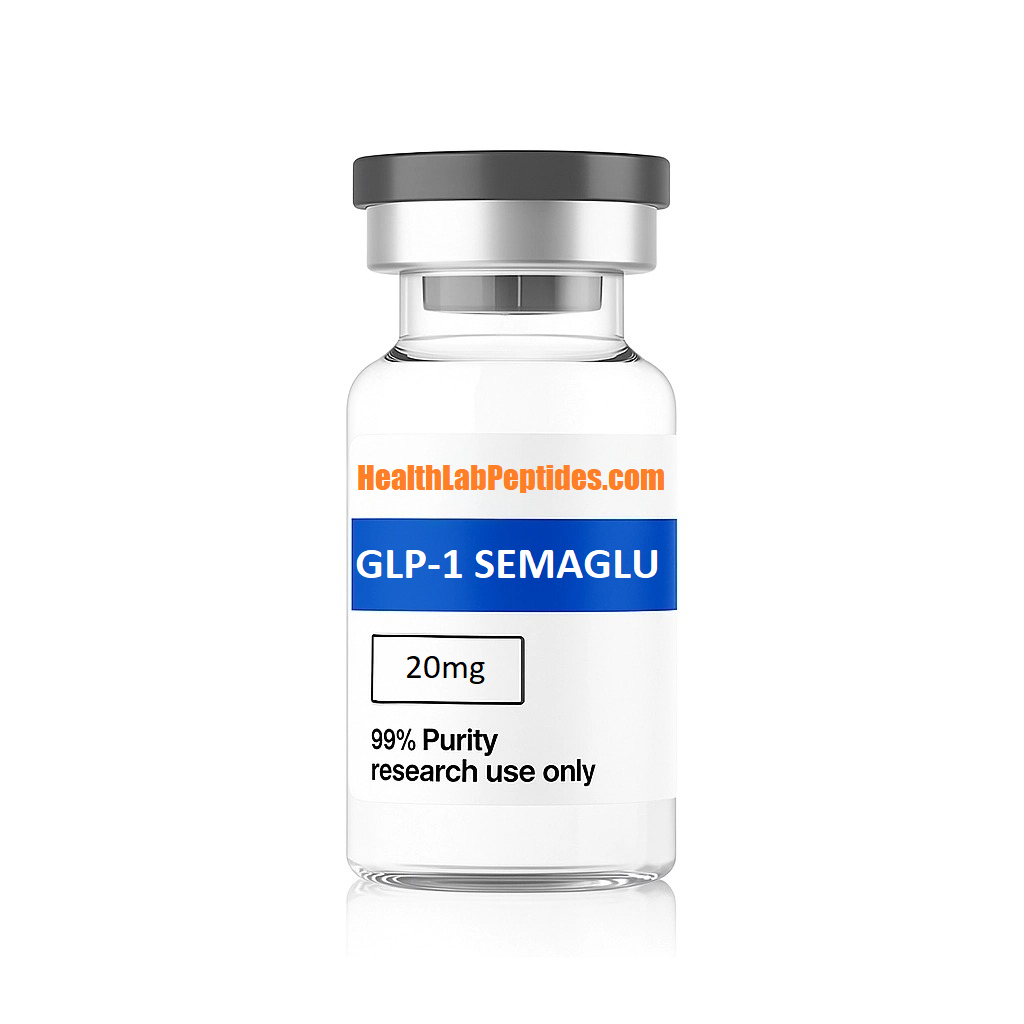
- (sema)
- (reta)
- Cagrilintide
Each compound has structural distinctions that influence receptor interaction modeling.
For example, laboratories sourcing Tirzepatide often compare it to other multi-receptor peptides. A product reference example can be found here:
👉 https://healthlabpeptides.com/product/tirz-5mg-research-peptide/
Similarly, those evaluating triple-receptor pathway models may review:
👉 https://healthlabpeptides.com/product/reta-research-peptide-5mg/
Understanding these distinctions is essential when building comparative receptor datasets.
Evaluating a Research-Grade Peptide Supplier
When sourcing research-grade GLP-1 peptides in the USA, laboratories should evaluate:
1️⃣ Purity Verification
Look for:
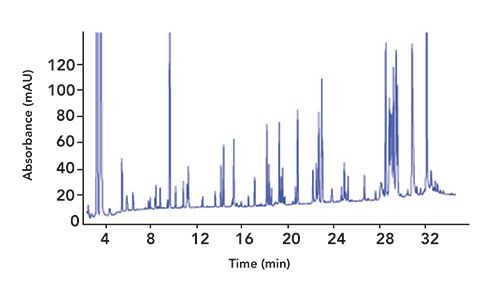
- HPLC purity testing
- Batch-specific Certificates of Analysis
- Transparent documentation
2️⃣ Lyophilized Stability
Most lab-grade peptides, including tirz, sema, and reta, are supplied as lyophilized powder for stability during storage and transport.
3️⃣ Proper Categorization
A well-structured catalog often includes:
- Metabolic peptides
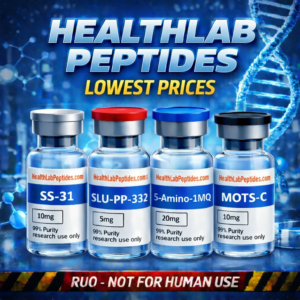
- Mitochondrial peptides (MOTS-c)
- Growth hormone peptides (Sermorelin, Hexarelin)
- Regenerative peptides (GHK-CU, Glutathione)
- Specialty compounds (MT-11)
A diversified catalog indicates structured sourcing capabilities.
Comparing GLP-1 Peptides with Other Signaling Compounds
GLP-1 peptides are frequently studied alongside other signaling molecules to understand pathway cross-talk.
For example:
- MOTS-c is associated with mitochondrial signaling models.
- Cagrilintide is referenced in amylin receptor pathway investigations.
- Glutathione and GHK-CU are commonly discussed in redox and structural signaling contexts.
- Sermorelin and Hexarelin are referenced in growth hormone pathway models.
- MT-11 appears in specialty peptide catalogs.
This broader framework allows laboratories to compare metabolic peptides with mitochondrial, endocrine, and structural pathway compounds.
GLP-1 Peptide Structural Design & Literature
For laboratories examining sema at a molecular design level, reviewing structural and pharmacology analyses can provide context. An example scientific overview can be explored here:
Understanding molecular modifications and formulation design helps guide structured comparison studies.
Growth Factor & GLP-1 Pathway Cross-Study
In some laboratory investigations, GLP-1 peptides are examined alongside growth factor compounds such as:
For example, IGF-1 LR3 product sourcing may be referenced here:
👉 https://healthlabpeptides.com/product/igf-1-lr3-1mg-research-peptide/
While IGF pathway peptides differ mechanistically from GLP-1 compounds, both categories are frequently included in metabolic and receptor interaction research models.
Storage & Handling Standards
Proper handling of research-grade GLP-1 peptides is critical:
- Refrigeration upon receipt
Peptide integrity depends heavily on storage consistency.
Key SEO Considerations for Laboratories Searching Online
Common search queries include:
- research-grade GLP-1 peptides
- buy tirzepatide peptide USA
- retatrutide research peptide supplier
- semaglutide lab-grade peptide
- peptide supplier USA
- metabolic research peptides
A well-structured supplier website should allow users to navigate easily between:
- Tirz
- Sema
- Reta
- Cagrilintide
- MOTS-c
- GHK-CU
- Glutathione
- Sermorelin
- Hexarelin
- MT-11
- ARA-290
Internal linking across these peptide categories strengthens topical authority and improves search visibility.
Conclusion
Sourcing research-grade GLP-1 peptides requires more than simply locating a product listing. Laboratories should evaluate purity verification, supplier transparency, storage standards, and catalog structure.
Compounds such as tirz, sema, reta, and cagrilintide are often evaluated within broader peptide research environments that also include MOTS-c, IGF-1 LR3, Glutathione, GHK-CU, Sermorelin, Hexarelin, and MT-11.
By selecting a structured U.S.-based peptide supplier with clear categorization and documentation standards, laboratories can streamline procurement and maintain consistency across peptide investigations.
⚠ Research Use Only (RUO) Notice
All peptides referenced are intended strictly for laboratory and analytical use. They are not for human or veterinary use and must be handled by qualified professionals in controlled laboratory environments.
Disclaimer
HEALTHLAB PEPTIDES does not make medical, therapeutic, or health claims. Our articles summarize publicly available scientific research for educational purposes only. All products are strictly Research Use Only (RUO) and are not intended for human use.