


DSIP Peptide: Short Research Overview
Research suggests: DSIP (Delta Sleep-Inducing Peptide) is, in some contexts, studied for its involvement in neurochemical signaling and circadian rhythm…
Research suggests: DSIP (Delta Sleep-Inducing Peptide) is, in some contexts, studied for its involvement in neurochemical signaling and circadian rhythm…

Research suggests: Human Growth Hormone (HGH), also known scientifically as somatotropin, is a peptide hormone produced by the pituitary gland…

Research suggests: FOXO4-DRI is a synthetic peptide studied in laboratory settings for its role in cellular senescence and apoptosis-related signaling…
Research suggests: LL-37 Peptide – Mechanisms, Laboratory Interest, and Research Applications LL-37 is a synthetic form of a naturally occurring…
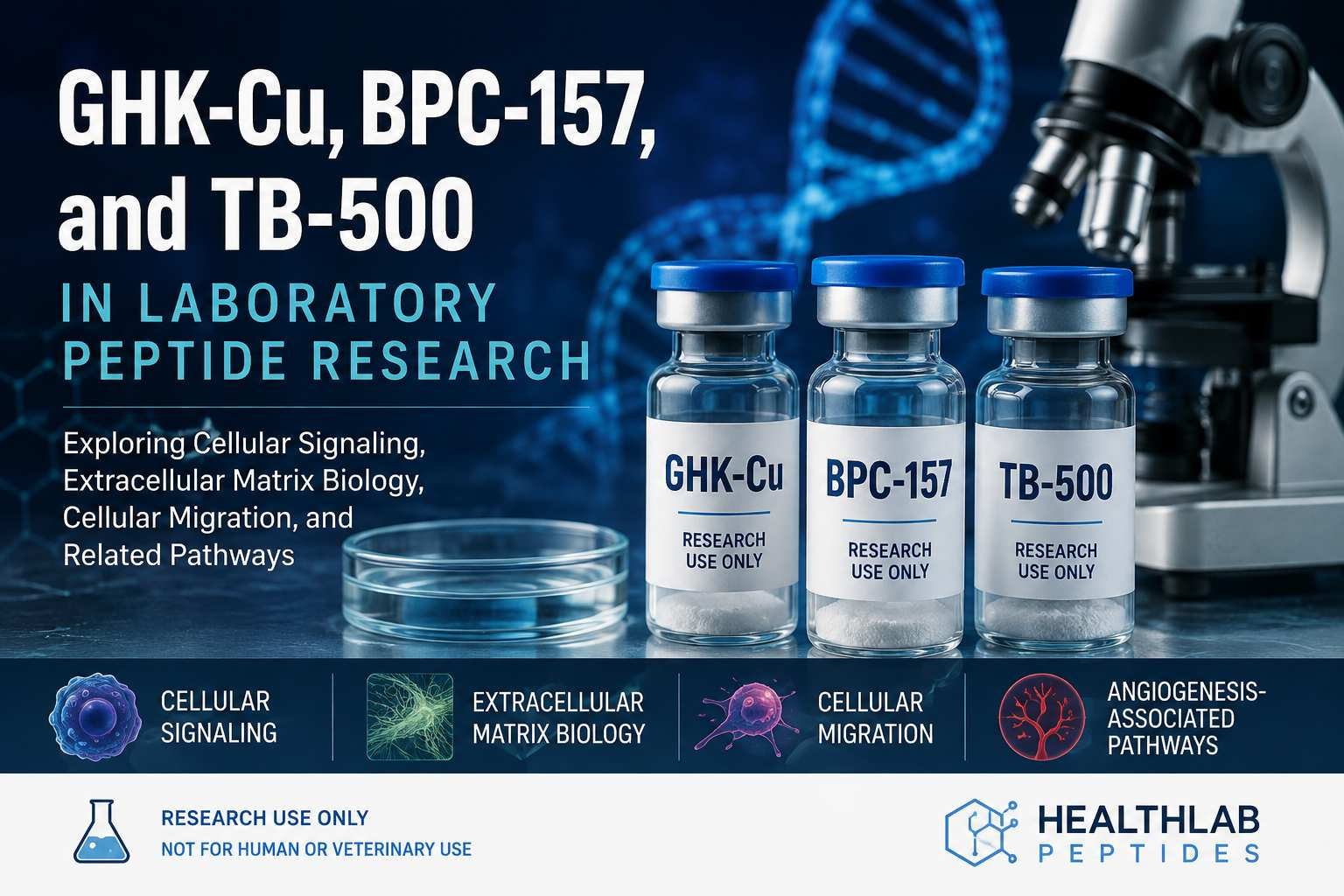
A research-focused overview of peptide studies in tissue-biology models, emphasizing sample identity, endpoints, and limits of preclinical evidence. Research Use Only.
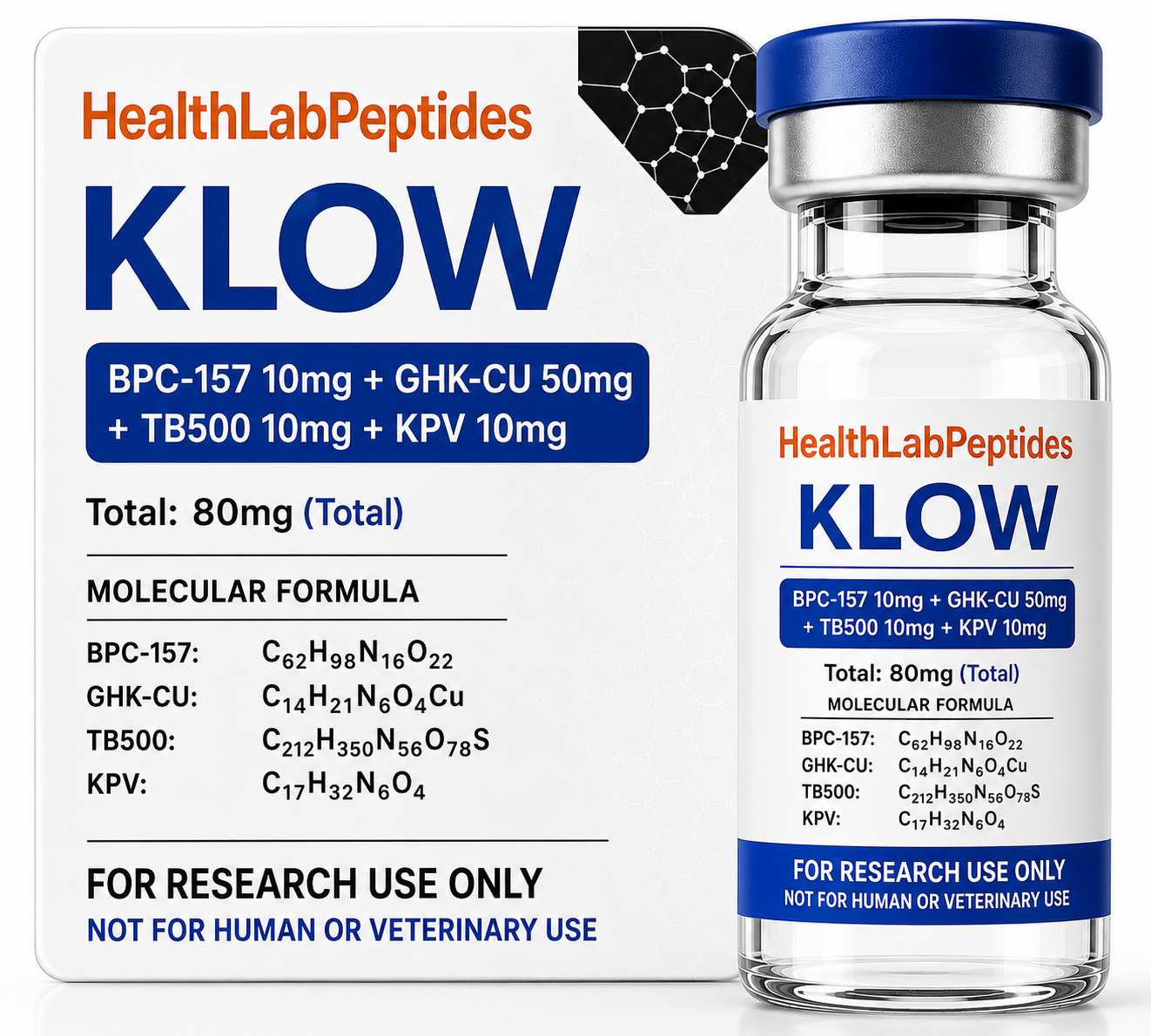
Research suggests that KLOW-80 provides a multi-component experimental system for studying peptide-associated cellular and molecular signaling. This 80 mg research peptide blend contains GHK-Cu 50 mg, BPC-157 10 mg, TB-500 10 mg, and KPV 10 mg. Research Use Only.
Research suggests peptide-mixture studies need direct controls and precise material identity. Explore KLOW 80 mg, Glow 70 mg, BPC-157, TB-500, GHK-Cu and KPV in a strict laboratory research context.
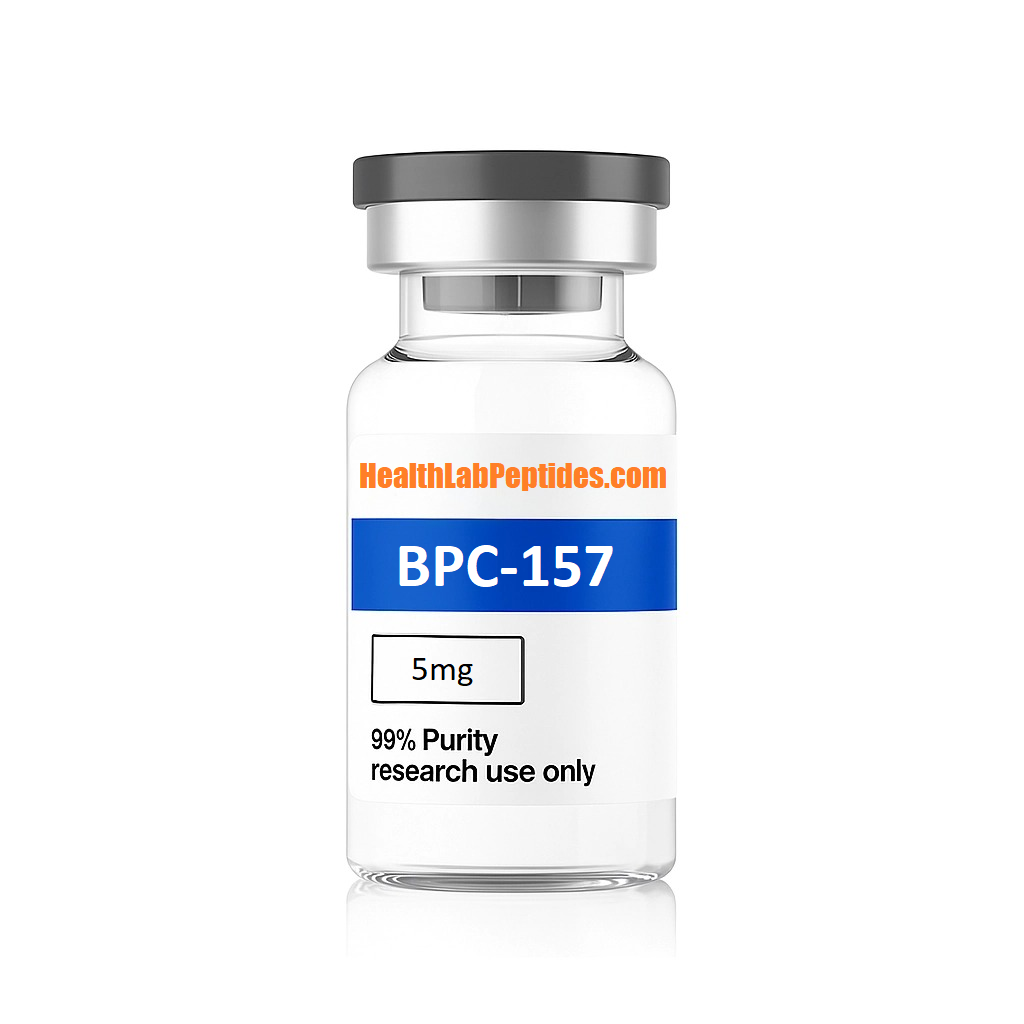
Research suggests: TB-500 and BPC-157 are two of the most discussed peptides in laboratory studies focused on tissue repair, inflammation…
Research suggests: branched-chain amino acids (BCAAs) are widely studied in exercise science because of their role in muscle protein signaling,…
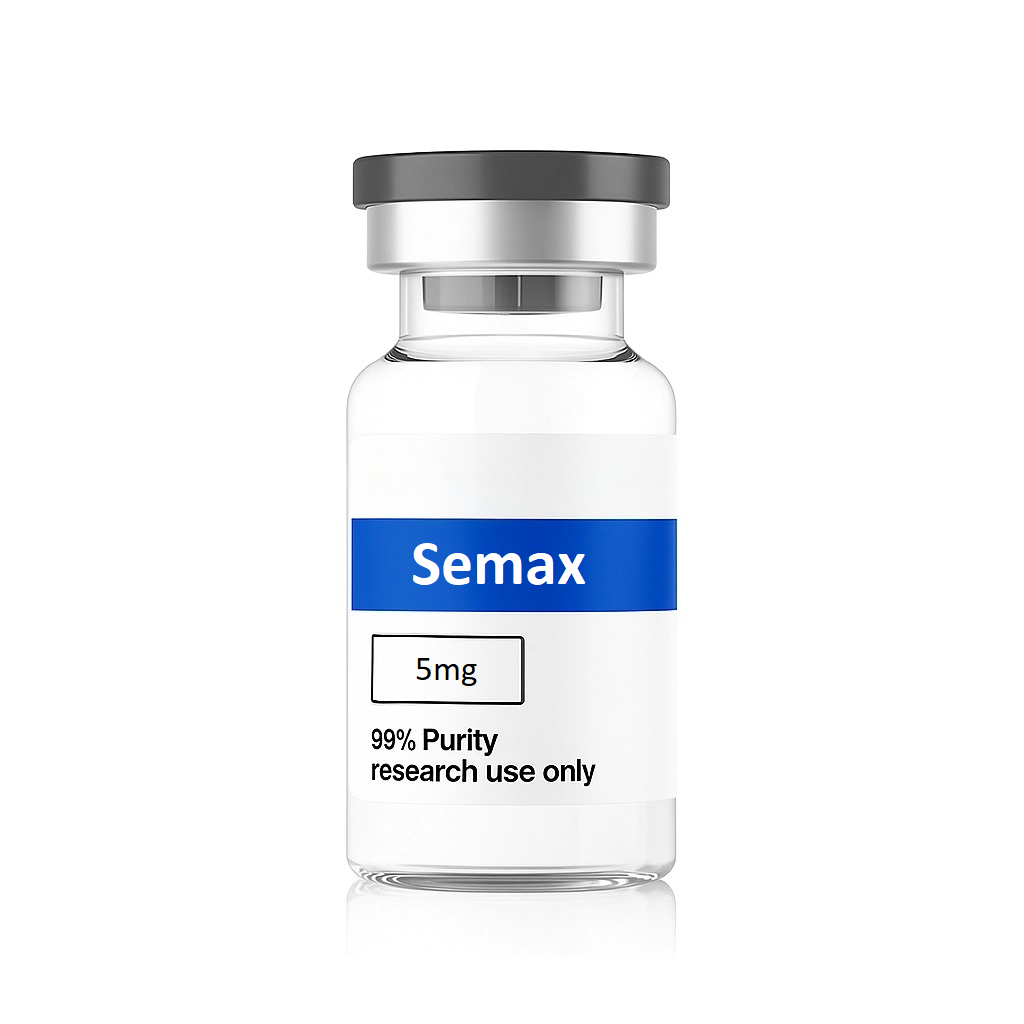
Research suggests: Semax is a synthetic peptide studied in laboratory environments for its interaction with neurochemical signaling pathways and brain-related…