


LL-37 Peptide Research Overview
Research suggests: LL-37 is a naturally occurring antimicrobial peptide that has drawn increasing attention in laboratory research. It is studied…
Research suggests: LL-37 is a naturally occurring antimicrobial peptide that has drawn increasing attention in laboratory research. It is studied…
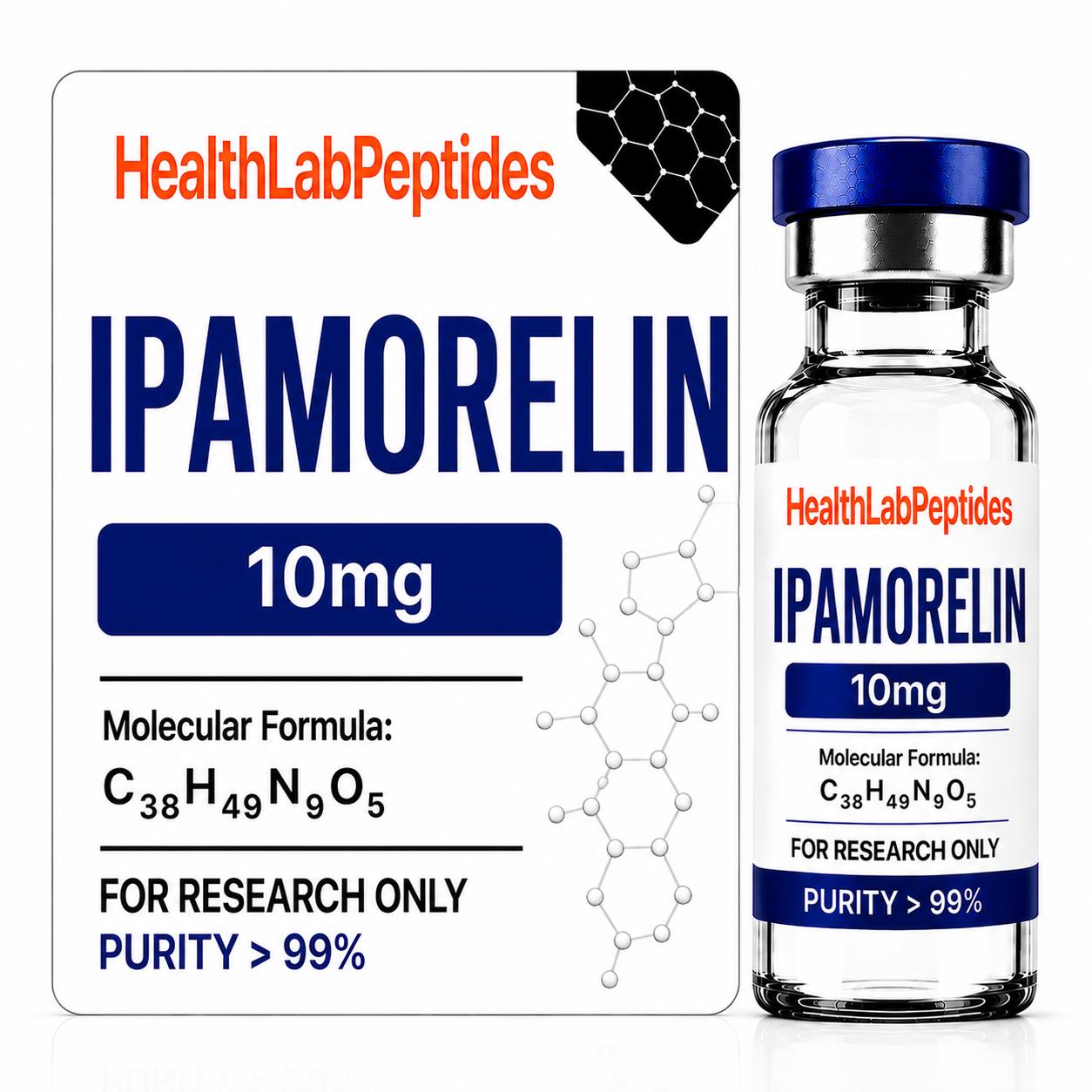
A laboratory-focused overview of ipamorelin receptor research, assay design, and model-specific evidence. Research Use Only; no body-composition or use claims.
Research suggests: 5-Amino-1MQ is a compound currently being studied in laboratory settings for its potential role in cellular metabolism, energy…

Research suggests: Selank is a synthetic peptide studied in laboratory environments for its interaction with neurochemical signaling pathways and receptor-based…

Research suggests: SNAP-8 (Acetyl Octapeptide-3) is a synthetic peptide studied in laboratory environments for its interaction with signaling pathways involved…
Research suggests: Peptide hormones communicate with cells through highly specific receptor interactions that trigger signaling cascades inside tissues and organs….

Research suggests: Reta is a synthetic peptide investigated in laboratory research for its interaction with multiple hormone receptor pathways involved…

Research suggests: Oligopeptides serve as short amino-acid chains that act as molecular messengers inside biological systems. Because these peptides contain…
Research suggests: Polypeptides function as complex molecular messengers within biological systems, coordinating cellular activity through chains of amino acids that…

Research suggests: Heptapeptides—short chains composed of seven amino acids—play important roles in biological signaling and molecular communication within cells. Scientists…