



Description
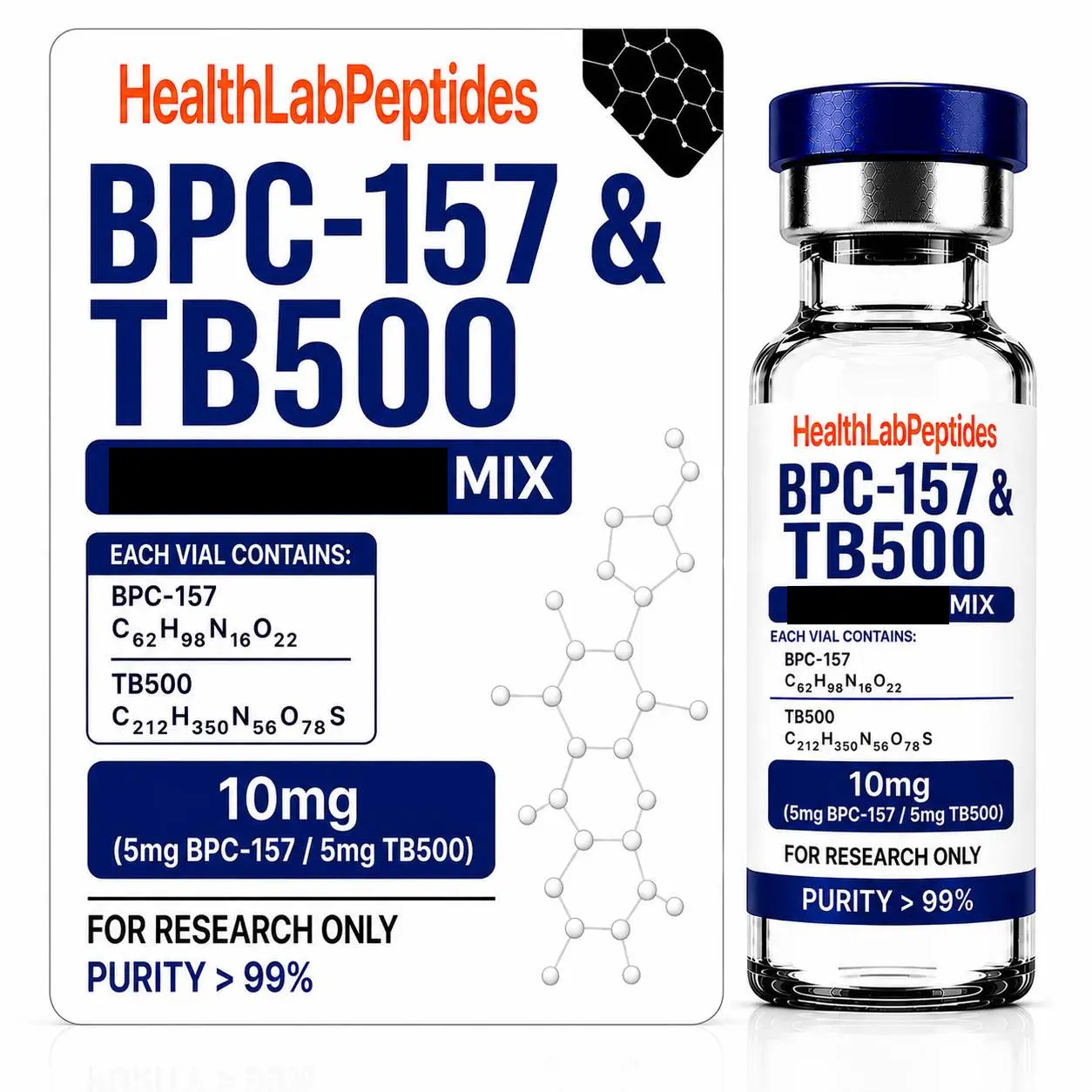
BPC-157 + TB-500 — 10mg Research Blend
Material identity: BPC-157 and TB-500 research blend. Declared quantity: 10mg total.
Supplied exclusively for legitimate laboratory, analytical, and in-vitro research, including analytical characterization, reference comparison, method development, and controlled non-clinical investigation.
Documentation and laboratory responsibility
- Review the applicable lot information and Certificate of Analysis before laboratory work.
- Use only in an appropriately equipped laboratory under qualified supervision and applicable institutional procedures.
- The purchaser is responsible for lawful acquisition, storage, handling, recordkeeping, and disposal.
Research Use Only (RUO). For legitimate laboratory, analytical, and in-vitro research only.
NOT FOR HUMAN OR VETERINARY USE, CONSUMPTION, INGESTION, INJECTION, IMPLANTATION, OR OTHER BODILY ADMINISTRATION.
This material is not a drug, food, dietary supplement, cosmetic, or medical product. HealthLab Peptides does not provide dosing, administration, reconstitution, injection, treatment, cycling, or personal-use instructions. It is not intended to diagnose, treat, cure, or prevent disease.
Analytical and in-vitro research context
BPC-157 + TB-500 — 10mg Research Blend is cataloged exclusively as research-use-only material for legitimate laboratory, analytical, and in-vitro investigation. Relevant scientific terminology for this material includes multicomponent identity, component ratio verification, chromatographic separation, LC-MS characterization, mixture attribution, factorial assay design, and matrix-interference controls. These terms describe possible laboratory measurements and experimental controls; they do not imply a medical, diagnostic, therapeutic, human-use, or veterinary-use purpose.
Before beginning research, laboratories should review the lot-specific Certificate of Analysis and distinguish molecular identity, chromatographic peak-area purity, total material quantity, moisture or counterion contribution, analytical recovery, and functional assay performance. HPLC or UPLC can evaluate retention and resolved peak area, while LC-MS or high-resolution mass spectrometry may support molecular-mass confirmation. When close variants or modification sites matter, tandem mass spectrometry or peptide mapping may provide additional sequence-position evidence.
Useful internal research resources include BPC-157 Research Material — 5mg and NAD+ Research Material — 500mg. Researchers may also read this related HealthLab laboratory article and review the complete HealthLab Peptides RUO catalog. Related products are linked for analytical comparison and catalog navigation only; shared terminology does not establish chemical, functional, or lot-to-lot equivalence.
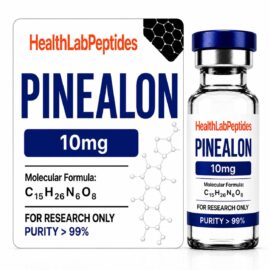 Pinealon Research Material — 10mg
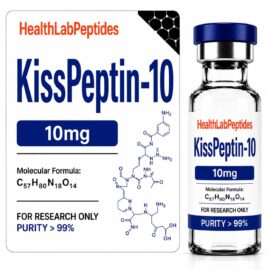 Kisspeptin-10 Research Material — 10mg
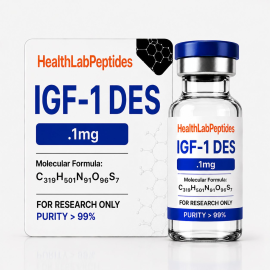 IGF-DES Research Material — 0.1mg
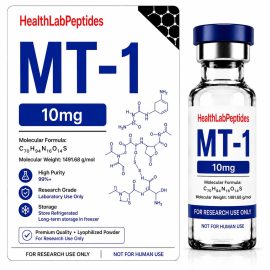 MT-1 Research Material — 10mg
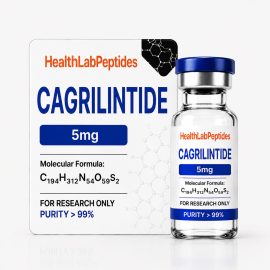 Cagrilintide Research Material — 5mg
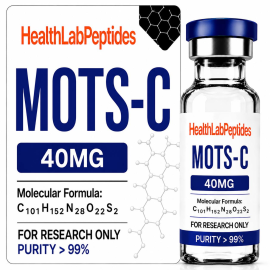 MOTS-C Research Material — 40mg
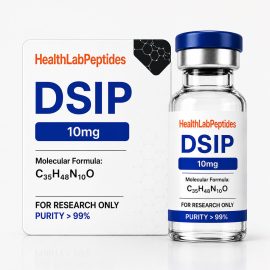 DSIP Research Material — 10mg
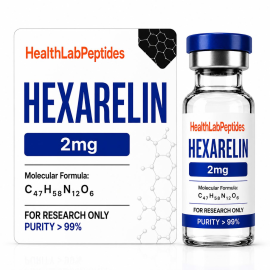 Hexarelin Research Material — 2mg
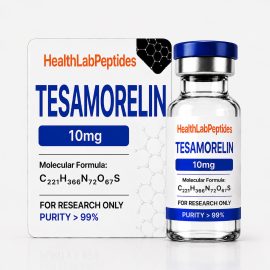 Tesa Research Material — 10mg
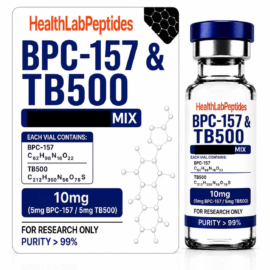 BPC-157 + TB-500 — 10mg Research Blend
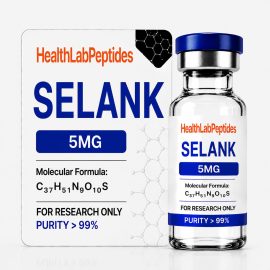 Selank Research Material — 5mg
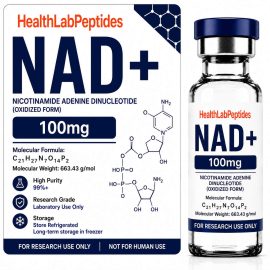 NAD+ Research Material — 100mg
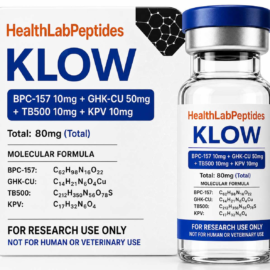 BPC-157 10mg + GHK-Cu 50mg + TB-500 10mg + KPV 10mg — Research Blend
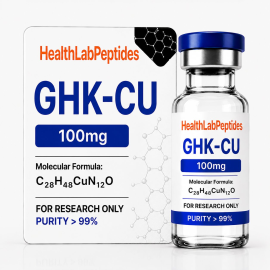 GHK-Cu Research Material — 100mg
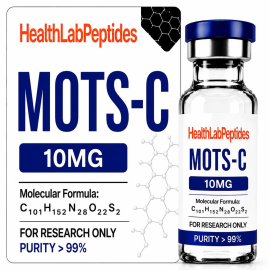 MOTS-C Research Material — 10mg
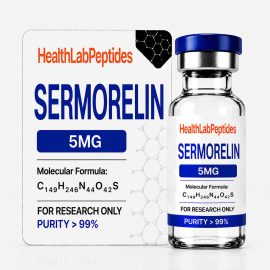 Sermorelin Research Material — 5mg
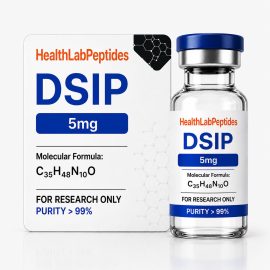 DSIP Research Material — 5mg