
Research suggests that NAD+ (Nicotinamide Adenine Dinucleotide) remains one of the most extensively studied molecules in modern cellular biology. Found naturally in every living cell, NAD+ is essential for numerous biochemical processes involving energy metabolism, mitochondrial function, and cellular signaling. As laboratory research continues to evolve, scientists are using NAD+ to better understand how cells produce energy, respond to stress, and maintain normal biological function.
Unlike many research peptides that target specific receptors or signaling pathways, NAD+ functions as a coenzyme involved in hundreds of enzymatic reactions. Researchers continue investigating how changes in NAD+ availability influence mitochondrial activity, metabolic regulation, oxidative stress responses, and molecular communication within cells.
Today’s laboratories frequently study NAD+ alongside other compounds involved in mitochondrial biology. For example, MOTS-c and SS-31 are widely investigated to better understand mitochondrial signaling and cellular energy regulation. Together, these research compounds help scientists explore how mitochondria influence broader biological systems.
Researchers also compare mitochondrial investigations with studies involving cellular signaling peptides such as GHK-Cu, BPC-157, and TB-500. Combination formulations like KLOW 80 further demonstrate the growing scientific interest in evaluating multiple signaling pathways within the same experimental model.
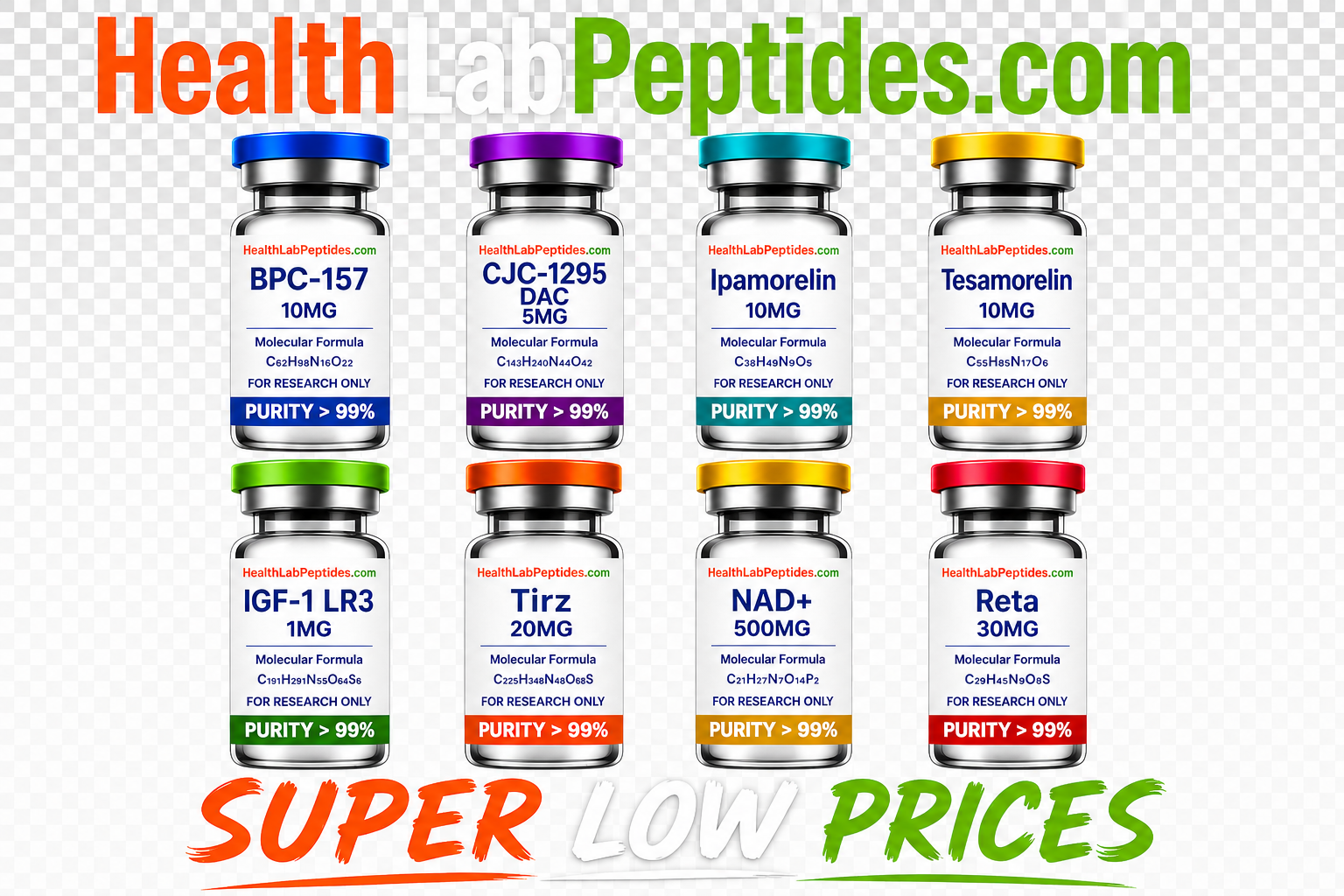
Endocrine research also remains closely connected to cellular metabolism. Investigators frequently include Ipamorelin, CJC-1295 (No DAC), Tesamorelin, and IGF-1 LR3 when exploring growth factor biology and hormone-related signaling. By comparing these different research compounds, scientists gain a more comprehensive understanding of how multiple biological systems communicate.
Advances in transcriptomics, metabolomics, proteomics, and high-resolution molecular imaging continue transforming the study of NAD+. These technologies allow researchers to observe complex molecular interactions with increasing precision, leading to new questions about cellular adaptation, energy regulation, and metabolic communication.
As scientific knowledge continues to expand, NAD+ remains one of the foundational molecules in laboratory research. Its central role in cellular metabolism makes it an important tool for investigators studying mitochondrial biology, molecular signaling, and the intricate processes that sustain cellular function.
Explore NAD+ and a growing collection of Research Use Only compounds at HealthLabPeptides.com.
HealthLabPeptides.com Research Use Only (RUO) Disclaimer
All products offered by HealthLabPeptides.com are intended strictly for laboratory Research Use Only (RUO). They are not intended for human consumption, veterinary use, therapeutic use, or diagnostic purposes. These products have not been evaluated by the U.S. Food and Drug Administration (FDA) and are not intended to diagnose, treat, cure, or prevent any disease. HealthLabPeptides.com makes no medical or therapeutic claims regarding its products. Information provided is for educational and scientific discussion only.