

Polypeptides with a molecular mass exceeding 10,000 Da are typically categorized as proteins. Chains containing fewer than twenty amino acids are termed oligopeptides, a category that encompasses dipeptides, tripeptides, and tetrapeptides.
Amino acids serve as residues that constitute peptides. Peptides are usually “linear” with an N-terminal (amine group) and C-terminal (carboxyl group) residue at the ends. Cyclic peptides are a distinct class.
Classification
Peptides are classified based on their sources and their functional roles. Specific classifications of peptides include plant peptides, bacterial/antibiotic peptides, fungal peptides, invertebrate peptides, amphibian/skin peptides, venom peptides, cancer/anticancer peptides, vaccine peptides, immune/inflammatory peptides, brain peptides, endocrine peptides, ingestive peptides, gastrointestinal peptides, cardiovascular peptides, renal peptides, respiratory peptides, opioid peptides, neurotrophic peptides, and blood–brain peptides.
Certain ribosomal peptides undergo proteolysis and typically function as hormones and signaling molecules in higher organisms. Additionally, some microbes produce peptides that act as antibiotics, such as microcins and bacteriocins.
Peptides often undergo post-translational modifications, including phosphorylation, hydroxylation, sulfonation, palmitoylation, glycosylation, and disulfide formation. While generally linear, lariat structures have also been observed. More unusual modifications, such as the racemization of L-amino acids to D-amino acids, are known to occur, for instance, in platypus venom.
Nonribosomal Peptides
Nonribosomal peptides are synthesized by enzymes rather than ribosomes. Glutathione, a key component of antioxidant defenses in most aerobic organisms, is a common example of a nonribosomal peptide. These peptides are predominantly found in unicellular organisms, plants, and fungi, where they are synthesized by modular enzyme complexes known as nonribosomal peptide synthetases.
These enzyme complexes frequently exhibit similar arrangements and can incorporate various modules to execute diverse chemical modifications on the developing product. Nonribosomal peptides often feature cyclic structures, sometimes with high complexity, though linear forms are also common. Given the system’s close relation to the machinery for synthesizing fatty acids and polyketides, hybrid compounds are frequently observed. The presence of oxazoles or thiazoles is often indicative of this synthesis mechanism.
Peptones
Peptones are products derived from the proteolysis of animal milk or meat. Beyond small peptides, the resulting material also contains fats, metals, salts, vitamins, and various other biological compounds. Peptones serve as essential components in nutrient media for cultivating bacteria and fungi.
Peptide Fragments
Peptide fragments are defined as segments of proteins utilized to identify or quantify the original protein. These fragments are often generated through controlled enzymatic degradation in a laboratory setting, but can also originate from forensic or paleontological samples naturally degraded.
Protein–Peptide Interactions
Peptides are capable of interacting with proteins and other macromolecules. In human cells, they play numerous critical roles, including cell signaling and acting as immune modulators. Research indicates that peptides mediate between 15% and 40% of all protein-protein interactions within human cells. Furthermore, an estimated minimum of 10% of the pharmaceutical market relies on peptide-based products. The Propedia database provides resources for studying peptide-protein interactions.
Example Families
Regarding peptide families, those discussed here are ribosomal peptides, typically exhibiting hormonal activity. These peptides are synthesized by cells as longer “propeptides” or “proproteins,” which are then truncated before cellular export. Subsequently, they are released into the bloodstream, where they fulfill their signaling functions.
Important Notice: All products from [HealthlabPeptides] discussed herein are strictly designated for Research Use Only (RUO). They are not intended for human consumption, therapeutic applications, or any form of medical use. [HealthlabPeptides] explicitly makes no health claims regarding its products. This content is for informational and educational research purposes only.
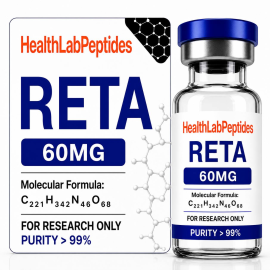 Reta 60mg
 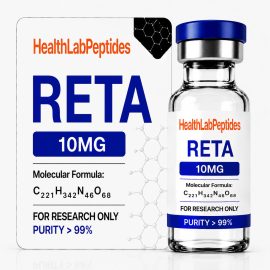 Reta 10mg GLP-1 GLP-3 GLP-2
 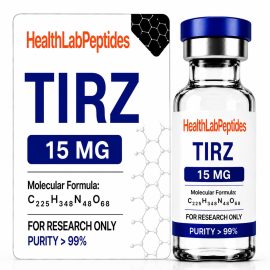 Tirz 15mg