

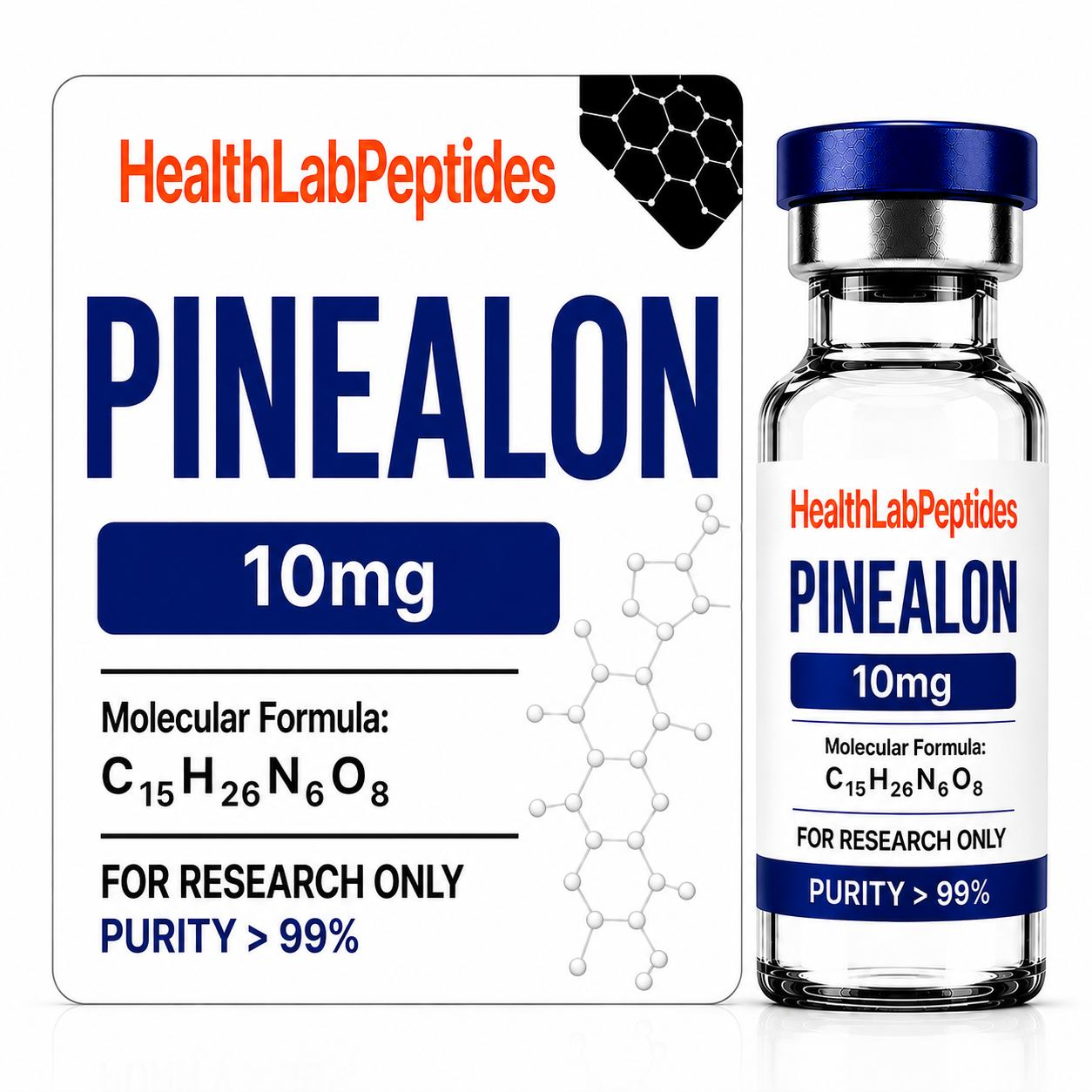
Research suggests that small regulatory peptides continue to play an increasingly important role in modern molecular biology. While compounds such as https://healthlabpeptides.com/product/bpc-157-10mg/BPC-157</https://healthlabpeptides.com/product/bpc-157-10mg/>, https://healthlabpeptides.com/product/tb500-5mg-peptide/TB-500</https://healthlabpeptides.com/product/tb500-5mg-peptide/>, and https://healthlabpeptides.com/product/mots-c-10mg/MOTS-c</https://healthlabpeptides.com/product/mots-c-10mg/> often receive considerable attention, another peptide quietly gaining interest in laboratory research is Pinealon.
Pinealon is being investigated for its potential role in cellular communication, neuronal biology, and gene regulation. As research tools become more advanced, scientists are discovering that even very small peptides may participate in complex signaling networks throughout the body.
Although research is still developing, Pinealon has become an intriguing subject for laboratories focused on neuroscience and cellular biology.
What Is Pinealon?
Pinealon is a synthetic tripeptide originally developed as part of research into peptide-based cellular regulation. Its compact structure makes it particularly interesting for scientists studying molecular signaling and gene expression.
Unlike larger proteins, small peptides often function as biological messengers, helping coordinate communication between cells. Researchers continue investigating whether Pinealon influences these communication pathways in experimental laboratory models.
Like every product available from HealthLabPeptides.com, Pinealon is supplied strictly for Research Use Only (RUO).
Why Pinealon Is Being Studied
Research involving Pinealon continues to expand into several areas of molecular biology, including:
- Cellular communication
- Gene expression
- Neuronal signaling
- Protein synthesis
- Cellular adaptation
- Healthy aging research
- Oxidative stress biology
- Nervous system research
Rather than focusing on a single biological mechanism, scientists are interested in understanding how Pinealon interacts with multiple signaling pathways simultaneously.
Gene Regulation Remains a Major Area of Interest
One of the most fascinating aspects of Pinealon research involves gene expression.
Modern laboratories can now measure thousands of genetic changes during a single experiment using technologies such as RNA sequencing and transcriptomics. These tools allow researchers to observe how signaling peptides influence normal cellular activity.
Understanding these molecular responses helps researchers develop a more complete picture of cellular communication.
Pinealon and Neuroscience Research
Pinealon has attracted attention because of its relationship with experimental neuroscience.
Researchers continue investigating how peptide signaling molecules contribute to communication between neurons and how these interactions support normal cellular function.
Although additional studies are needed, Pinealon remains an active area of laboratory investigation within neurobiology.
Related Research Peptides
Scientists interested in Pinealon frequently investigate additional peptides that target different areas of cellular biology.
Semax
Semax is one of the best-known peptides studied in neuroscience research. Laboratory investigations continue exploring its interaction with neuronal signaling pathways.
Learn more about Semax:
Selank
Researchers often study Selank alongside other neurobiology peptides when examining cellular communication and peptide-mediated signaling.
DSIP
DSIP (Delta Sleep-Inducing Peptide) remains an important research peptide in laboratory studies involving neurobiology and sleep-related signaling pathways.
MOTS-c
MOTS-c is a mitochondrial-derived peptide that continues attracting interest for laboratory investigations involving cellular energy regulation and mitochondrial communication.
SS-31
Researchers studying mitochondrial function frequently investigate SS-31, another peptide associated with mitochondrial signaling pathways.
GHK-Cu
GHK-Cu has been studied extensively for decades because of its interaction with gene regulation, extracellular matrix biology, and cellular communication.
BPC-157
One of the most widely recognized research peptides, BPC-157 continues to appear in laboratory studies involving cellular signaling and biological organization.
TB-500
Researchers investigating cellular movement and tissue organization frequently include TB-500 in experimental models involving molecular signaling.
KLOW 80
For laboratories interested in multi-peptide formulations, KLOW 80 combines BPC-157, TB-500, GHK-Cu, and KPV into one research blend for experimental investigation.
Why Quality Matters
Reliable peptide research begins with consistent research materials.
Experienced laboratories typically look for:
- High analytical purity
- Independent laboratory testing
- Consistent manufacturing
- Proper storage procedures
- Batch-to-batch consistency
- Transparent documentation
These factors help improve reproducibility while reducing unnecessary experimental variability.
Looking Forward
Interest in Pinealon continues to grow as researchers expand their understanding of peptide-mediated cellular communication. While much remains to be discovered, ongoing laboratory investigations continue providing valuable information about how small peptides influence biological systems.
As molecular biology technologies continue advancing, Pinealon is expected to remain an important research tool alongside peptides such as Semax, Selank, DSIP, MOTS-c, SS-31, GHK-Cu, BPC-157, TB-500, and KLOW 80.
Together, these compounds represent some of the most actively investigated research peptides available today, each contributing to a broader understanding of cellular biology and molecular signaling.
HealthLabPeptides.com Research Use Only (RUO) Disclaimer
All products sold by HealthLabPeptides.com are intended strictly for laboratory Research Use Only (RUO). They are not for human consumption, veterinary use, therapeutic use, or diagnostic purposes. These products have not been evaluated by the U.S. Food and Drug Administration (FDA) and are not intended to diagnose, treat, cure, or prevent any disease. HealthLabPeptides.com makes no medical or therapeutic claims regarding any product. All information provided in this article is for educational and scientific discussion only. Purchasers are responsible for ensuring compliance with all applicable federal, state, and local laws governing research materials.
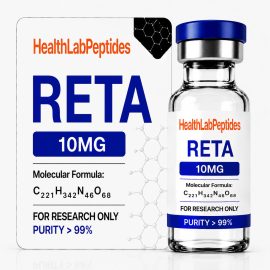 Reta 10mg GLP-1 GLP-3 GLP-2
 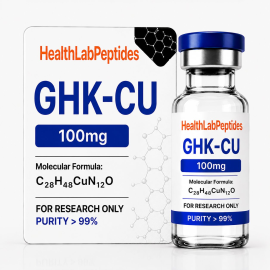 GHK-CU 100mg