


FOXO4-DRI and the Research
Research suggests: FOXO4-DRI is a synthetic peptide studied in laboratory settings for its role in cellular senescence and apoptosis-related signaling…
Research suggests: FOXO4-DRI is a synthetic peptide studied in laboratory settings for its role in cellular senescence and apoptosis-related signaling…
Research suggests: LL-37 Peptide – Mechanisms, Laboratory Interest, and Research Applications LL-37 is a synthetic form of a naturally occurring…
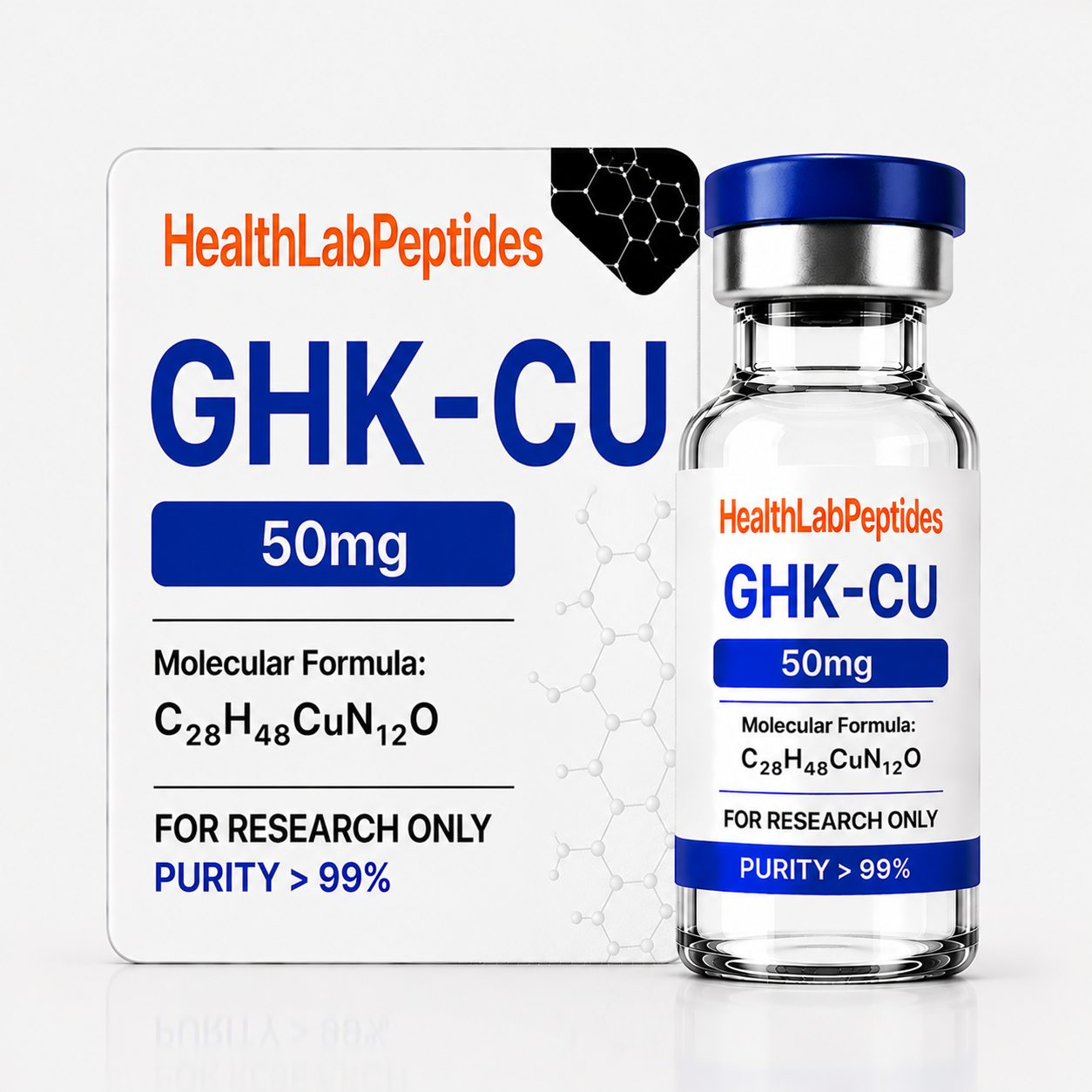
Research suggests peptides including BPC-157, TB-500, GHK-Cu and IGF-1 LR3 are investigated in laboratory models involving cellular migration, extracellular-matrix biology, signaling pathways and other experimental tissue-response processes. For Research Use Only (RUO).
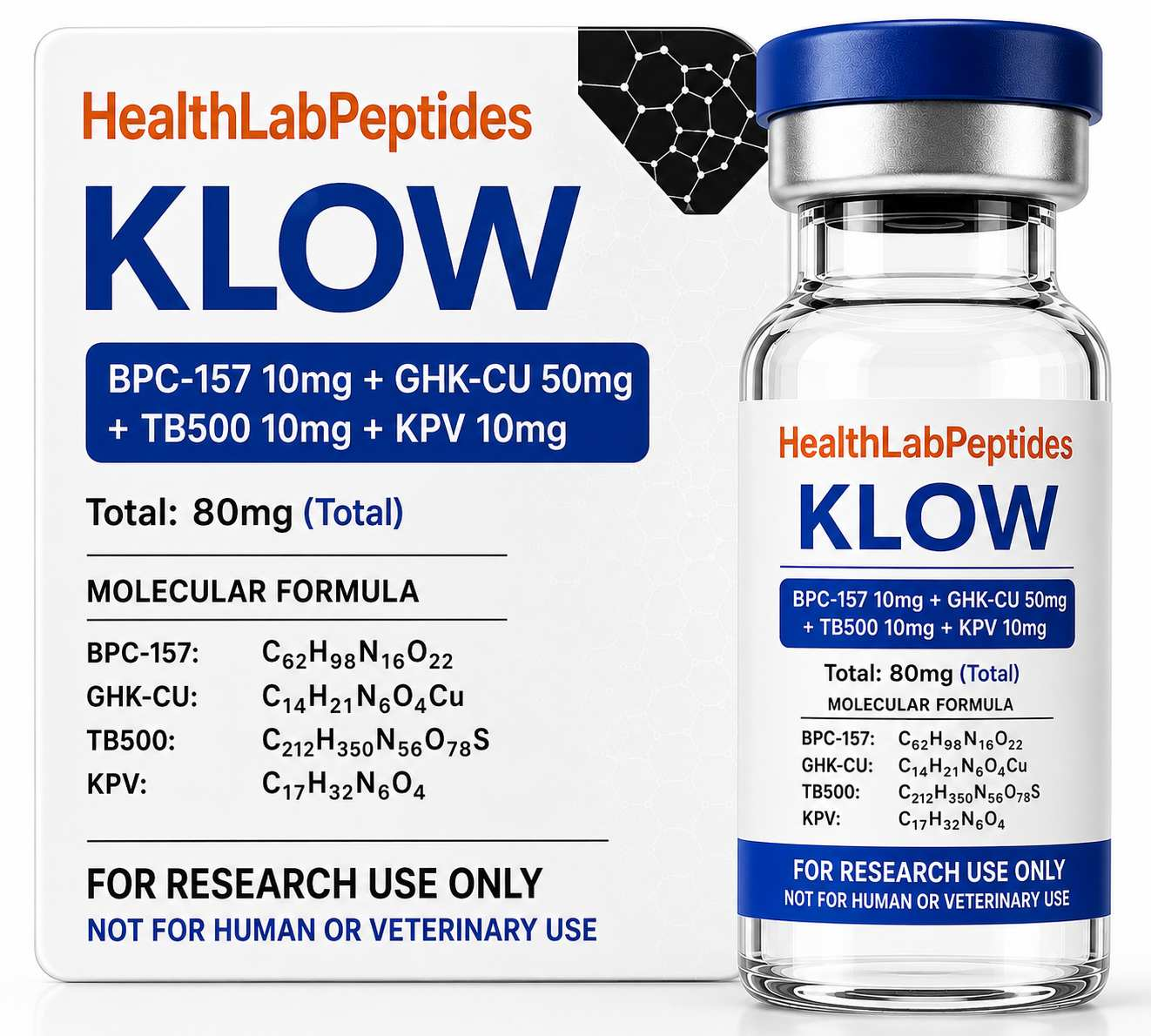
Research suggests that KLOW-80 provides a multi-component experimental system for studying peptide-associated cellular and molecular signaling. This 80 mg research peptide blend contains GHK-Cu 50 mg, BPC-157 10 mg, TB-500 10 mg, and KPV 10 mg. Research Use Only.

Research suggests: peptide stacking is often explored in laboratory settings to understand how multiple compounds may interact across metabolic, hormonal,…
Research suggests: TB-500 and BPC-157 are two of the most discussed peptides in laboratory studies focused on tissue repair, inflammation…

Research suggests: methylene blue has been studied for decades in laboratory environments because of its interaction with cellular signaling systems…
Research suggests: branched-chain amino acids (BCAAs) are widely studied in exercise science because of their role in muscle protein signaling,…
Research suggests: Semax is a synthetic peptide studied in laboratory environments for its interaction with neurochemical signaling pathways and brain-related…
Research suggests: LL-37 is a naturally occurring antimicrobial peptide that has drawn increasing attention in laboratory research. It is studied…