

What Is LL-37?
LL-37 is the only member of the cathelicidin family identified in humans. It is derived from a precursor protein known as hCAP-18 and is produced by various cell types, including epithelial cells and immune cells such as neutrophils. In research settings, LL-37 is studied for how it interacts with microbial membranes and modulates immune responses at the cellular level.
Structure and Mechanism of Action
LL-37 is classified as a cationic (positively charged) peptide. This structural feature allows it to bind to negatively charged microbial membranes, making it a key subject in antimicrobial research.
In laboratory studies, LL-37 has been observed to:
- Disrupt bacterial membrane integrity
- Interact with lipid bilayers
- Influence signaling pathways involved in immune response
- Modulate inflammation-related cellular activity
Researchers are particularly interested in how LL-37 balances antimicrobial effects with regulatory roles in host cells.
Areas of Research Interest
LL-37 continues to be explored across multiple research domains:
1. Antimicrobial Research
Studies investigate LL-37’s interaction with bacteria, viruses, and fungi under controlled conditions. Its broad-spectrum activity makes it a focus in antimicrobial resistance research models.
2. Immune System Modulation
LL-37 is frequently examined for how it influences cytokine signaling, chemotaxis, and immune cell recruitment in vitro.
3. Tissue and Cellular Research
Laboratory investigations explore how LL-37 interacts with epithelial cells and its role in processes like cell migration and structural integrity.
4. Biofilm Research
LL-37 has been studied for its ability to disrupt or prevent biofilm formation in controlled experimental environments.
LL-37 in Peptide Research Models
In peptide research environments, LL-37 is often utilized as a model compound to better understand host defense peptides (HDPs). Its multifunctional nature makes it valuable for studying the intersection between antimicrobial activity and immune signaling.
Researchers also compare LL-37 with other peptides to evaluate structural differences and functional outcomes under laboratory conditions.
Sourcing LL-37 for Research
For those conducting peptide research, sourcing high-purity compounds is critical. You can explore LL-37 and a wide range of other research peptides at
HealthLabPeptides.com, where materials are supplied to support laboratory and analytical studies.
Important Research Disclaimer (RUO)
LL-37 available from HealthLab Peptides is strictly designated as RUO (Research Use Only). These materials are not intended for human or veterinary use and are not for consumption, ingestion, or application outside of controlled laboratory research environments.
HealthLab Peptides makes no claims regarding medical, therapeutic, or diagnostic use. The statements regarding these compounds have not been evaluated by the U.S. Food and Drug Administration. Products are not intended to diagnose, treat, cure, or prevent any disease.
Final Thoughts
LL-37 remains a highly versatile peptide in modern research. Its dual role in antimicrobial activity and immune system interaction continues to make it a focal point for laboratory investigation. As research evolves, LL-37 may provide deeper insight into how peptides function at the molecular level in host defense systems—strictly within controlled, research-only settings.
 Sema 5mg
 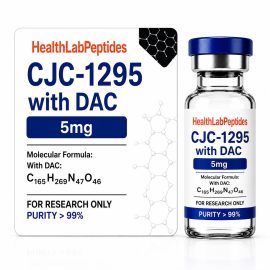 CJC-1295-DAC 5mg
 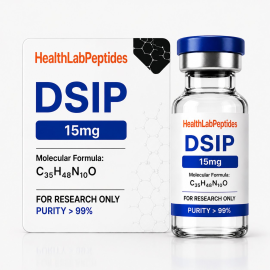 DSIP 15mg
 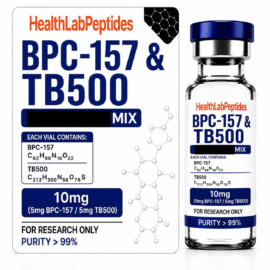 BPC-157 + TB-500 Peptide Research Material — 10mg
 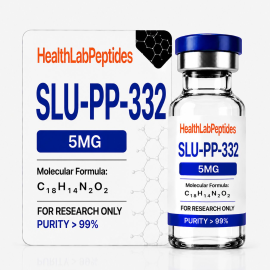 SLU-PP-332-5mg
  MT- 2 10mg (Melanotide)
  Tirz 30mg
  Tirz 20mg
  GHK-CU 50mg
 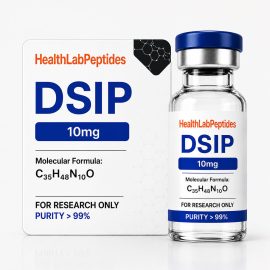 DSIP 10mg