


MT-II Research Across MC3R and MC4R: Why Subtype Comparisons Matter
Research suggests MT-II results can differ across melanocortin receptor subtypes. This article explains how receptor identity, species, and assay conditions shape comparisons.
Research suggests MT-II results can differ across melanocortin receptor subtypes. This article explains how receptor identity, species, and assay conditions shape comparisons.

Research suggests MT-I binding and cAMP results should be interpreted within the specific MC1R model used. This overview separates ligand binding from downstream signaling.

Research suggests Pinealon cell studies should be read through their model, endpoint, and replication. This article summarizes one preclinical study without turning its findings into broad claims.

Research suggests that GHRH-receptor assays should distinguish receptor engagement, cAMP signaling, and downstream gene responses. This overview explains model-specific interpretation for Sermorelin research.

Research suggests DSIP’s historical sequence characterization is firmer than its receptor assignment. This article separates early experimental observations from unresolved mechanistic questions.

Research suggests that 5-Amino-1MQ studies need a clear distinction between enzyme inhibition, cellular metabolic changes, and findings in animal models. It is a small molecule, not a peptide.

Research suggests SLU-PP-332 studies are best interpreted by separating ERR isoforms, reporter endpoints, and model context. This overview explains what cell-based results can and cannot establish.
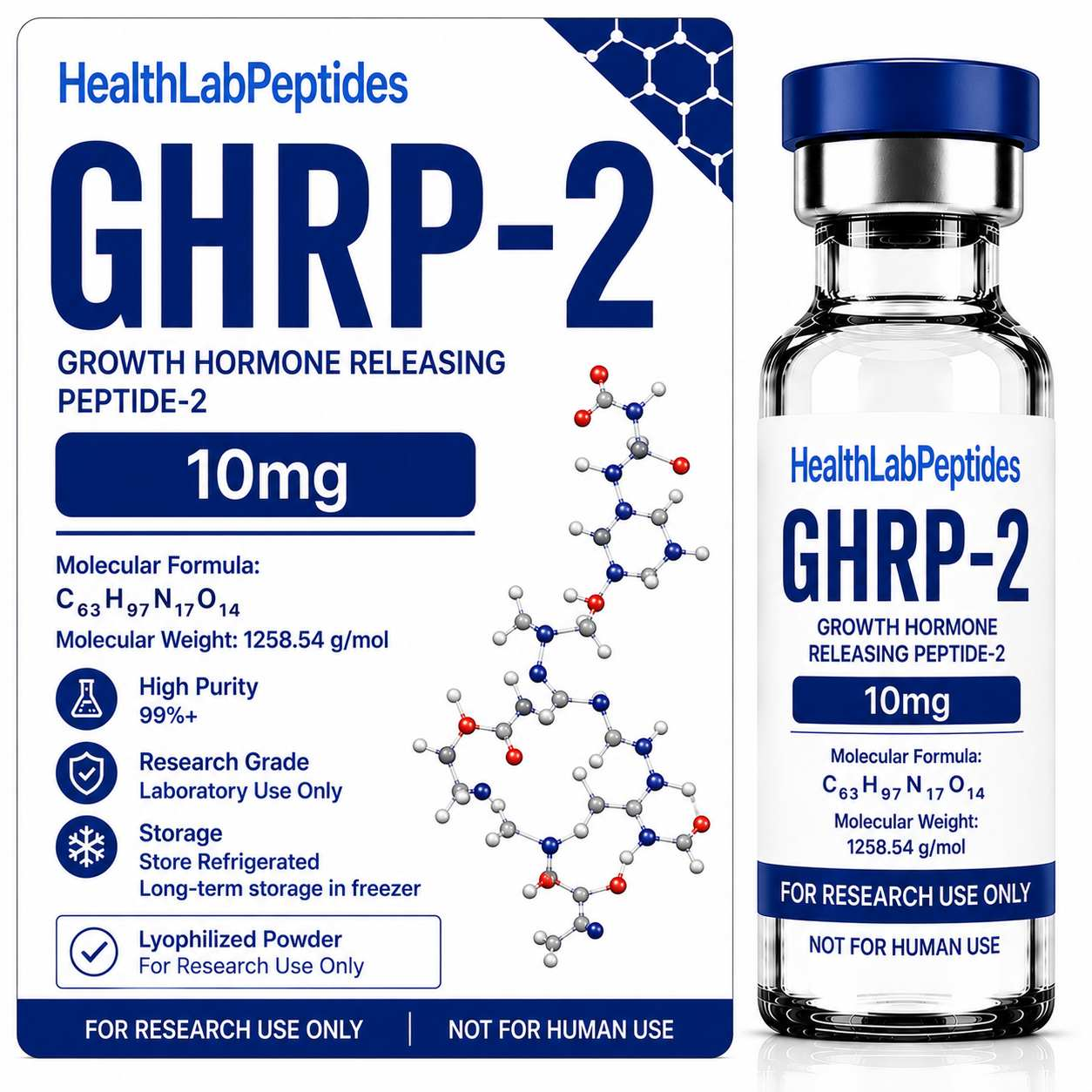
Research suggests GHRP-2 and hexarelin are distinct secretagogue ligands. Examine comparative hormone studies, GHS-R1a receptor assays, structure-activity evidence, and limitations. RUO only.

Research suggests PT-141 is a cyclic melanocortin ligand with subtype-dependent receptor interactions. Understand MC1R–MC5R biology and the distinction between approved medicines and RUO materials.

Research suggests CJC-1295 nomenclature can refer to distinct peptide chemistries. Explore the drug affinity complex, albumin conjugation, modified GRF(1–29) and evidence limits. RUO only.